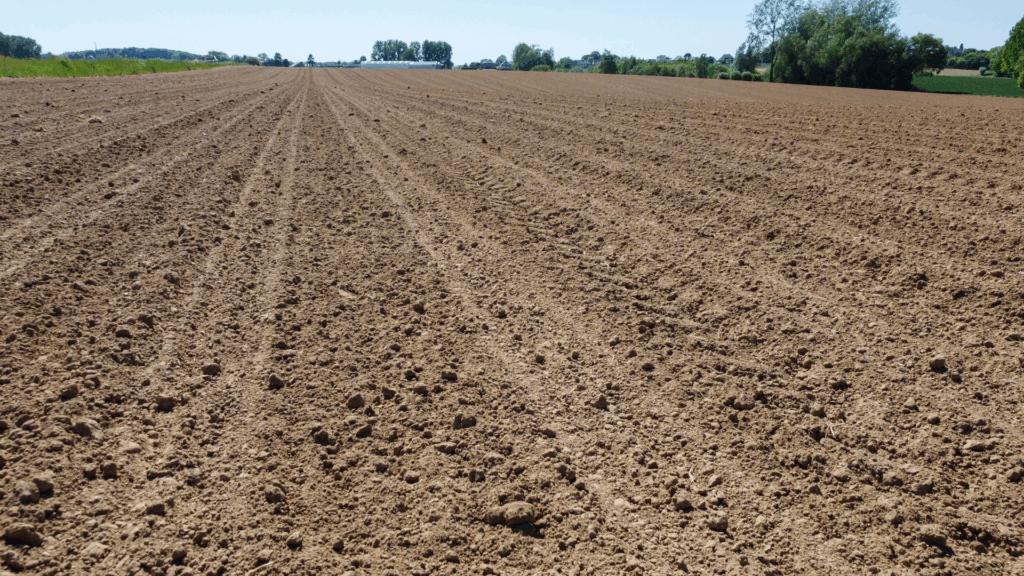
As the European Union prepares to unveil its water resilience strategy in June, Belgium faces one of its driest periods in recorded history. Amid the "extreme" weather patterns, experts urge increased action and funding from authorities.
Although rainfall between 1 March and late May is typically around 146.2mm, this year saw 30.8mm of rainfall at the Royal Meteorological Institute (RIM) in Uccle between 1 March and 22 May, according to RIM's meteorologist, Pascal Mormal. This is among the driest periods in Belgium since 1893 when recorded rainfall was 32.1mm.
In addition to the lack of rain, this year's spring was the third warmest in Belgium and broke the all-time record for the amount of sunshine in the country, with a total of 651 hours and 11 minutes of sunshine recorded in Uccle, Mormal added.
Notably, the drought-inducing weather follows one of Belgium's wettest years since the start of meteorological observations, with 1170.7mm recorded in 2024, Mormal explained.
A driving force behind the rapid succession of extreme weather conditions is climate change, according to the University of Antwerp's biologist and environment expert, Jan Staes.
Climate roulette
The melting polar ice has weakened the air currents in the atmosphere, also known as jet streams. When a jet stream is strong, it pushes high and low-pressure areas allowing for variable weather.
However, as the temperature difference in the polar regions and the equator reduces, this stream becomes weaker, meaning the high and low-pressure areas stay put, explained Staes. "Like stones in a river when there's not enough flow," he said.
Although periods of drought or wet weather are not abnormal, the patterns in which they occur are a clear indicator of the effect of climate change. "We are seeing that things that should only happen once every 100 years are now happening three times in one decade," Staes said.
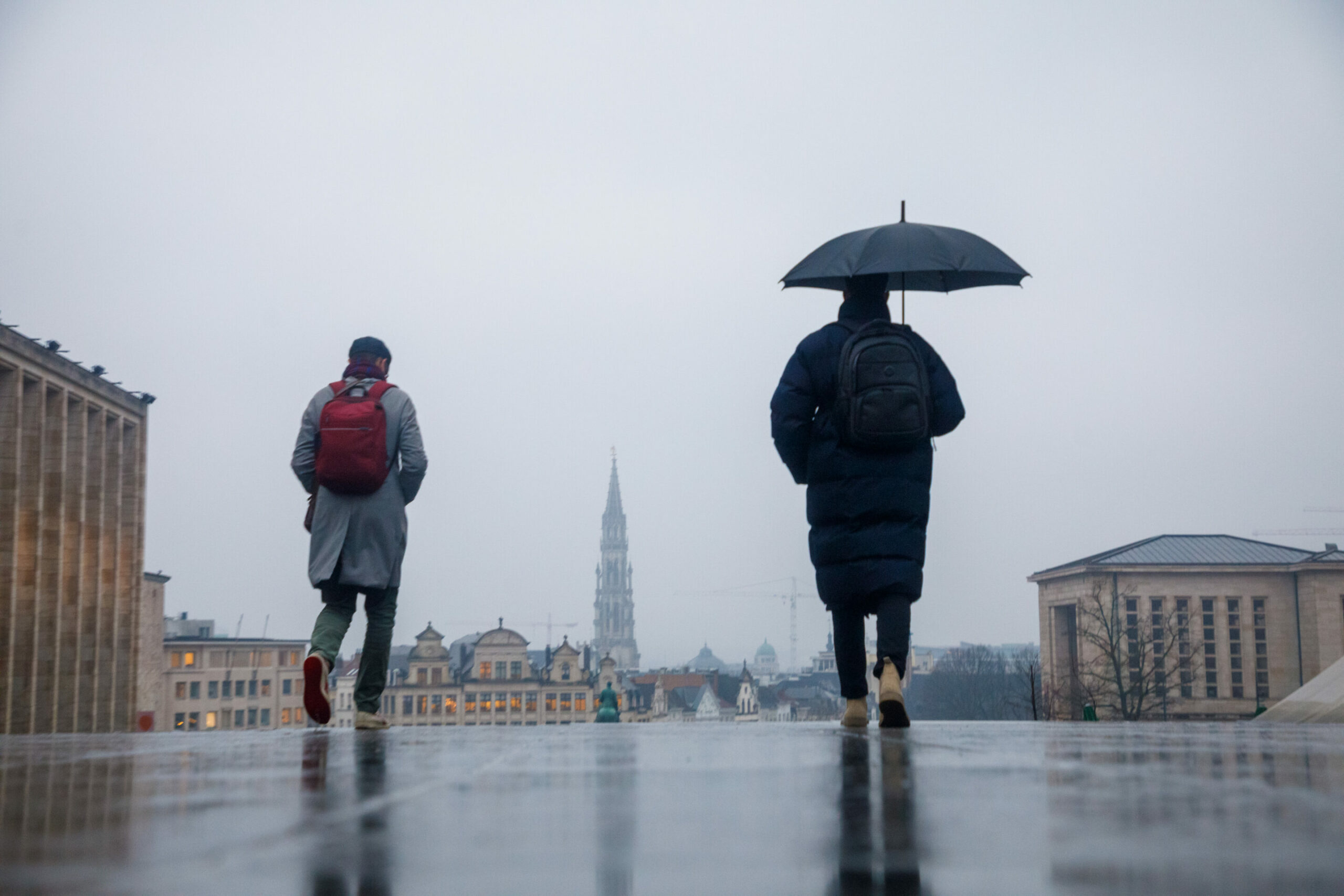
Rain in Brussels. Credit: Belga/Hatim Kaghat
While wet periods can make up for dryer ones with the appropriate water storage strategies, the varying extremes make approaches to water resilience more complex. "There is no guarantee that a dry period will be followed by a wet period," Staes said. "It's like playing roulette. That's very difficult because we also don't know what to prepare for."
Though water reserves in Wallonia are still at a "good level", shallower water tables in Flanders have made the drought conditions more significant. "The situation will need to be reassessed over the next few weeks if the drought persists. Seasonal forecasting models indicate that we could be in for a warmer than average summer and a drier one too, but this needs to be confirmed," Mormal added.
Dealing with extremes
The consequences of prolonged drought not only impact nature, but can also cause problems for the farming community, forest fires, or even a slowdown in economic activity across multiple sectors.
Over the last few years, Belgium has seen a stronger political focus on mitigating the impact of droughts, according to Staes. "I think the previous [Flemish] government did a really good job with the blue deal, it was a major investment program to deal with droughts, but also with floods," he said.
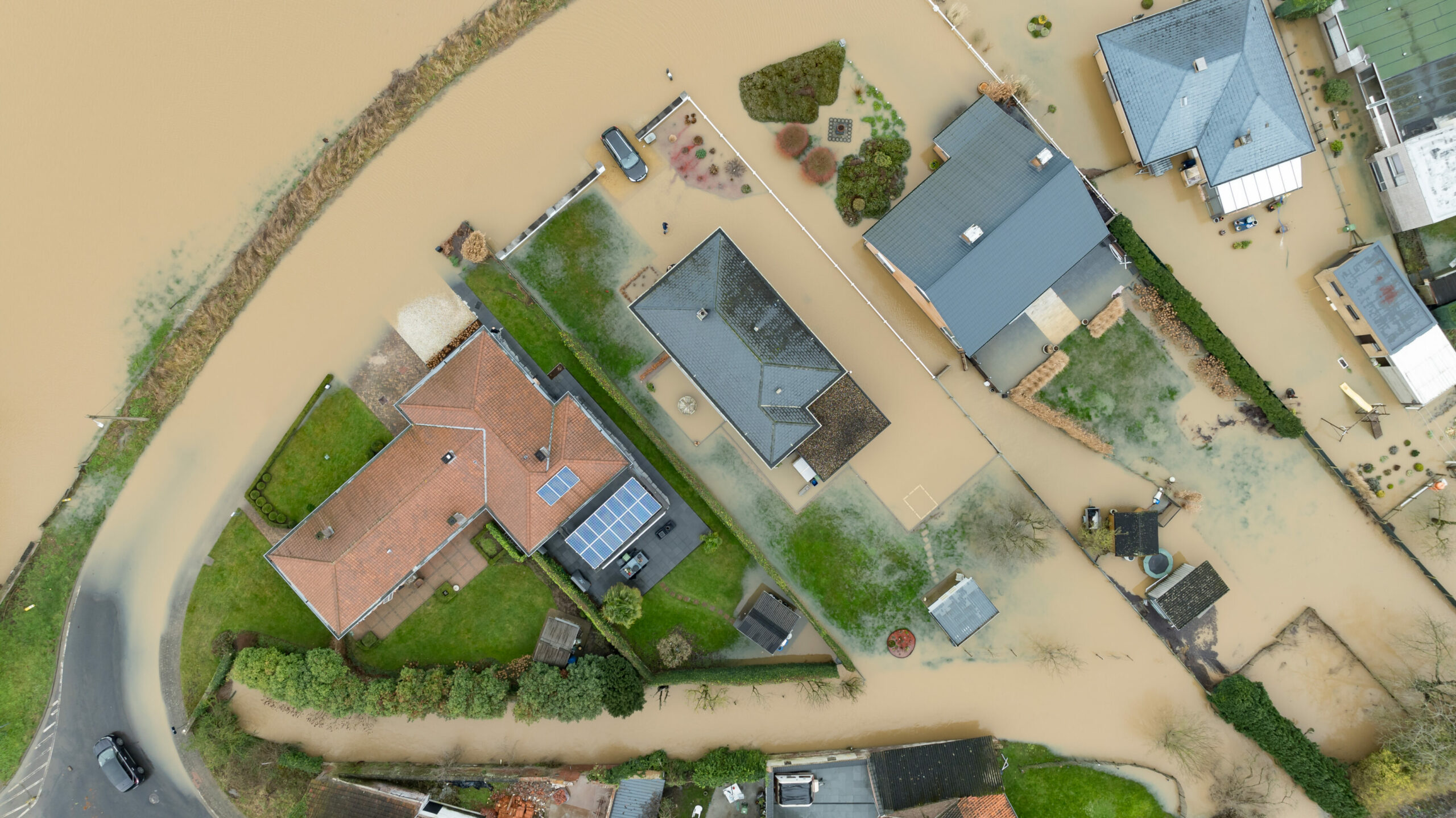
Aerial drone image shows floods after heavy rainfall in Zandbergen on Wednesday 03 January 2024. Credit: Belga/Kurt Desplenter
However, shifting financial priorities threaten to change the positive progress. "The current Minister for Environment reduced the budget by a lot although it's still needed," he warned.
For Staes, budget cuts should not impact nature-based solutions and ecosystem-based restorations. He further adds that the hydrological system needs to be restored and that there is a need to rewet parts of the land, although that requires time and strategy. The increasing number of groundwater abstraction permits must also be addressed by authorities, he added.
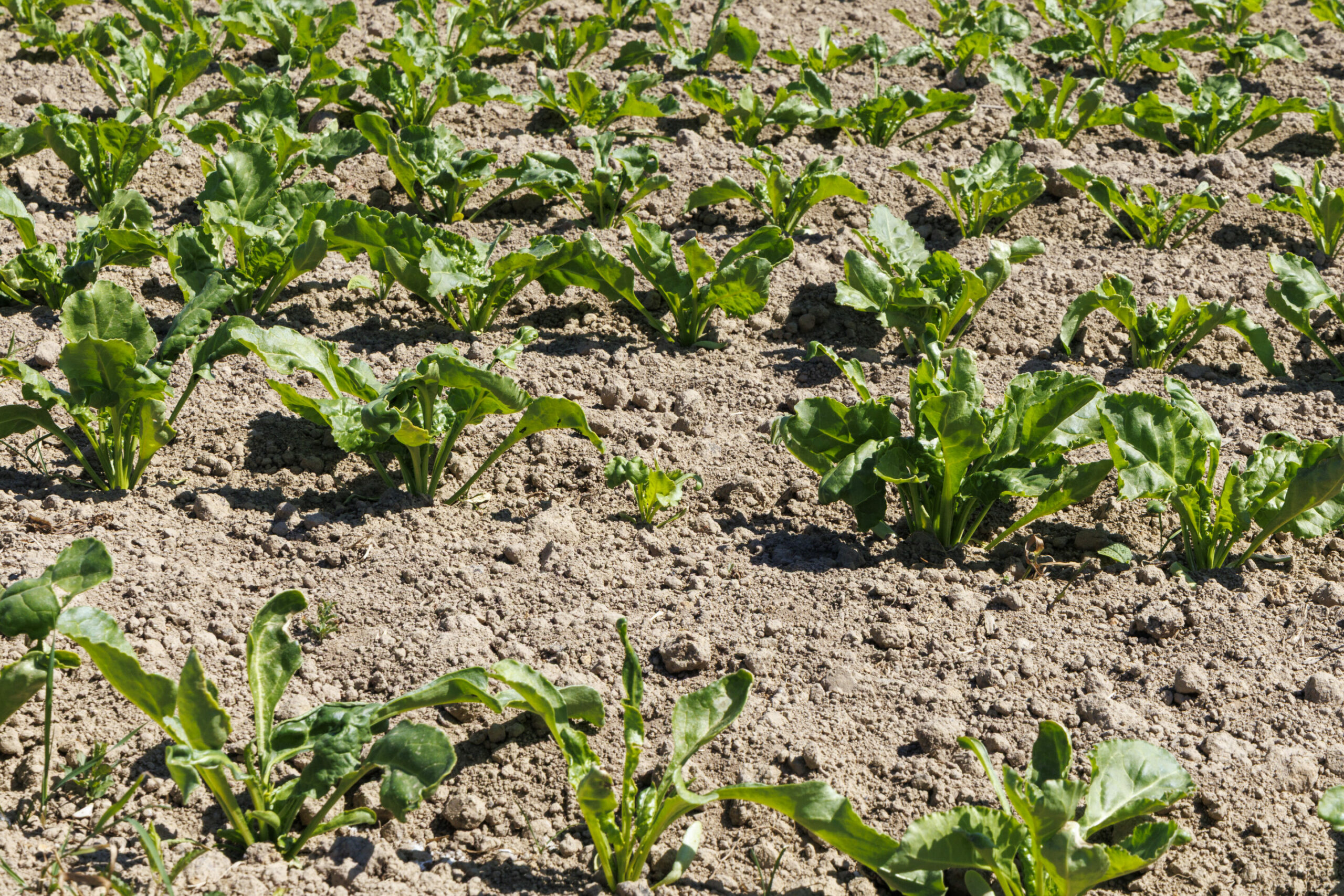
A field in East Flanders in 2025. Credit: Belga/Nicolas Maeterlinck
Among the solutions available in Europe, digital tools are already used strategically to manage droughts, according to Tania Pentcheva, Director Europe Government and Industry Relations at the Xylem, a water technology company.
"We have digital platforms, where you can manage the whole water system in a city or municipality. And this way you can see if you have some leakages or if you have some vulnerabilities of the infrastructure," explained Pentcheva.
However, despite existing solutions, in the face of the complexity and the dimension of water challenges, Pentcheva believes more support and strategy are needed at the EU level. "We need a European water strategy because the challenges in water are very local, but it is also very connected. I mean, rivers flow to countries, and, you know, seas and oceans. And so we need a European approach to handle those challenges."
Underfunded sector
On 4 June, the EU water resilience strategy is expected to be presented. This is set to lay out approaches to deal with pollution and water-related crises such as floods and droughts across Europe. "We are so pleased to see that finally, the European Union understood that water should be a key priority," said Pentcheva. "Water has been taken for granted for very long in Europe."
Pentcheva hopes to see a focus on "planning and preparedness" for Member States. "Unless you have a plan or a risk assessment beforehand, it's very difficult to manage all these water challenges that are coming as an afterthought," she said.
While not familiar with the details of the upcoming EU strategy, Staes believes it is nationally beneficial to have the topic addressed at a European level. "I think a lot of the progress we've made in Flanders is because of EU directives and legislation," he said.
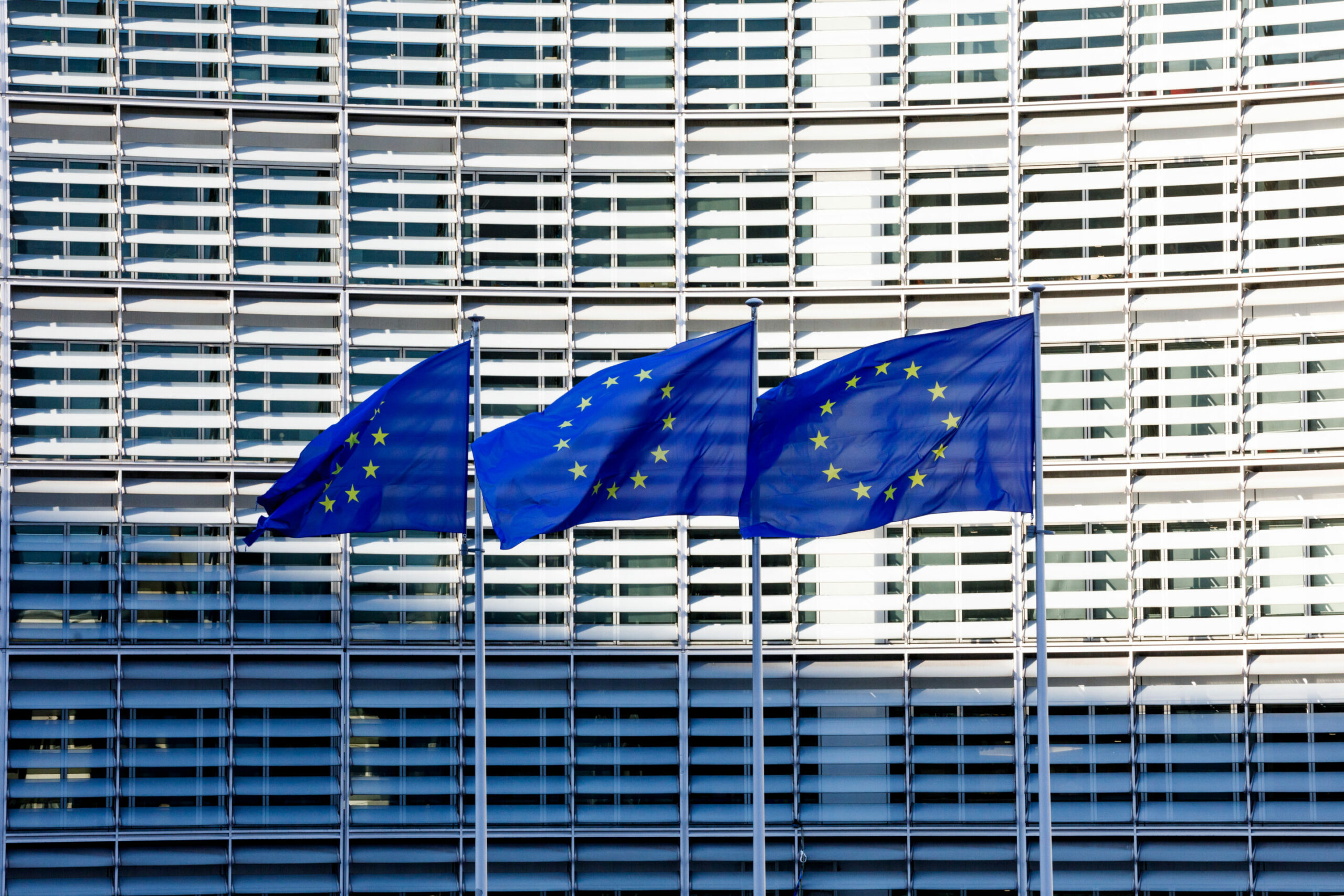
The Berlaymont headquarters of the European Commission in Brussels. Credit: Belga/Hatim Kaghat
Nonetheless, no strategy will go far without the appropriate funding, warned Pentcheva. She underscored how the water sector across the EU is "underfunded" compared to other industries such as energy or transport. This is something she hopes will change within the next EU budget plans.
"Water is such an important priority now and the water challenges will become bigger [...] funding will help because the sector is very much a public sector," she said. "It is about having enabling policy frameworks and strategy but also supporting with some more funding [...] from the European Union on top of everything else that is provided at the national level."
