
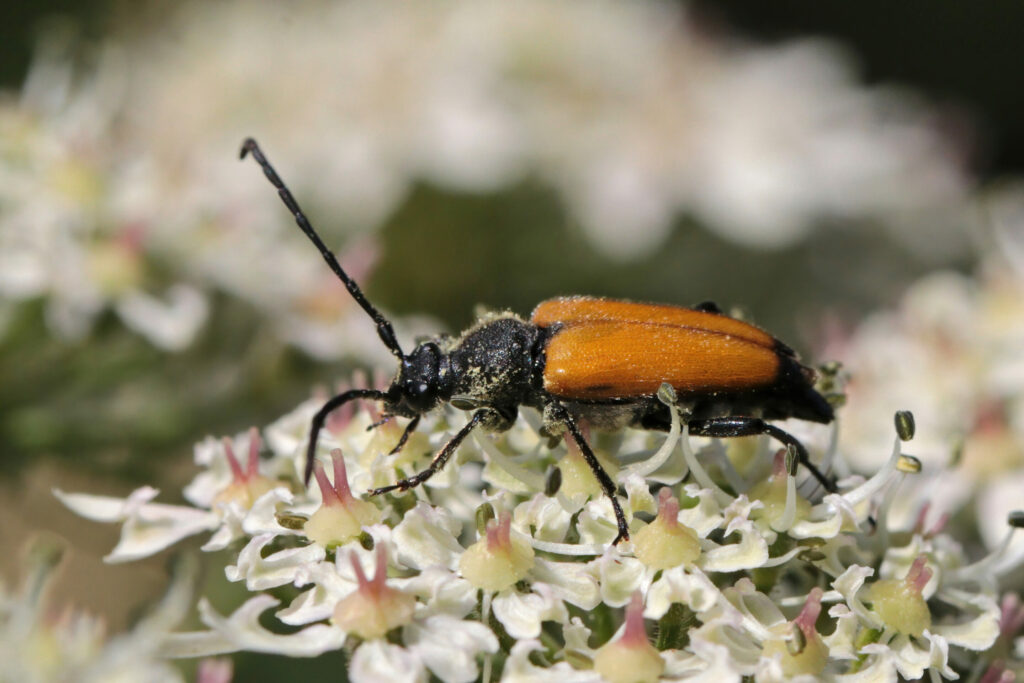
Belgium is crawling with beetles, 4,672 different species at the last count, yet dozens have slipped out of sight in the space of a lifetime. The first checklist conducted by the Royal Belgian Entomological Society and the Royal Belgian Institute of Natural Sciences since 1995 has confirmed the scale of Belgium’s creepy-crawly diversity.
Since the last count, entomologists have recorded 295 new arrivals in the beetle kingdom, most of which are glossy sap beetles from the Nitidulidae family. Their arrival pushes Belgium’s total to 4,672 species across 103 recognised families, making beetles far and away the nation’s most numerous animal group.
Rove beetles top the league with about 1,191 species, followed by weevils (657), ground beetles and leaf beetles. “Beetles are essential indicators of ecosystems. Their presence or absence is an indicator of the health of these ecosystems,” noted the study’s lead author, Arno Thomaes.
The data was drawn from nearly a dozen entomological databases, museum collections, citizen science portals, and new fieldwork. The study’s authors were able to provide regional and historical observations spanning much of the 20th and 21st centuries. This breakdown allowed them to flag species that have fallen off the radar, and possibly gone extinct, as well as track their range, which has often changed due to climate change.
Extinction
While the number of bugs present in Belgium is promising, the study also flags a quiet exodus.
145 species have not been seen since 1950, including roughly a quarter of Belgium’s dung beetles and whirligig beetles, the latter immortalised in Belgian-born Guido Gezelle’s poem ’t Schrijverke.
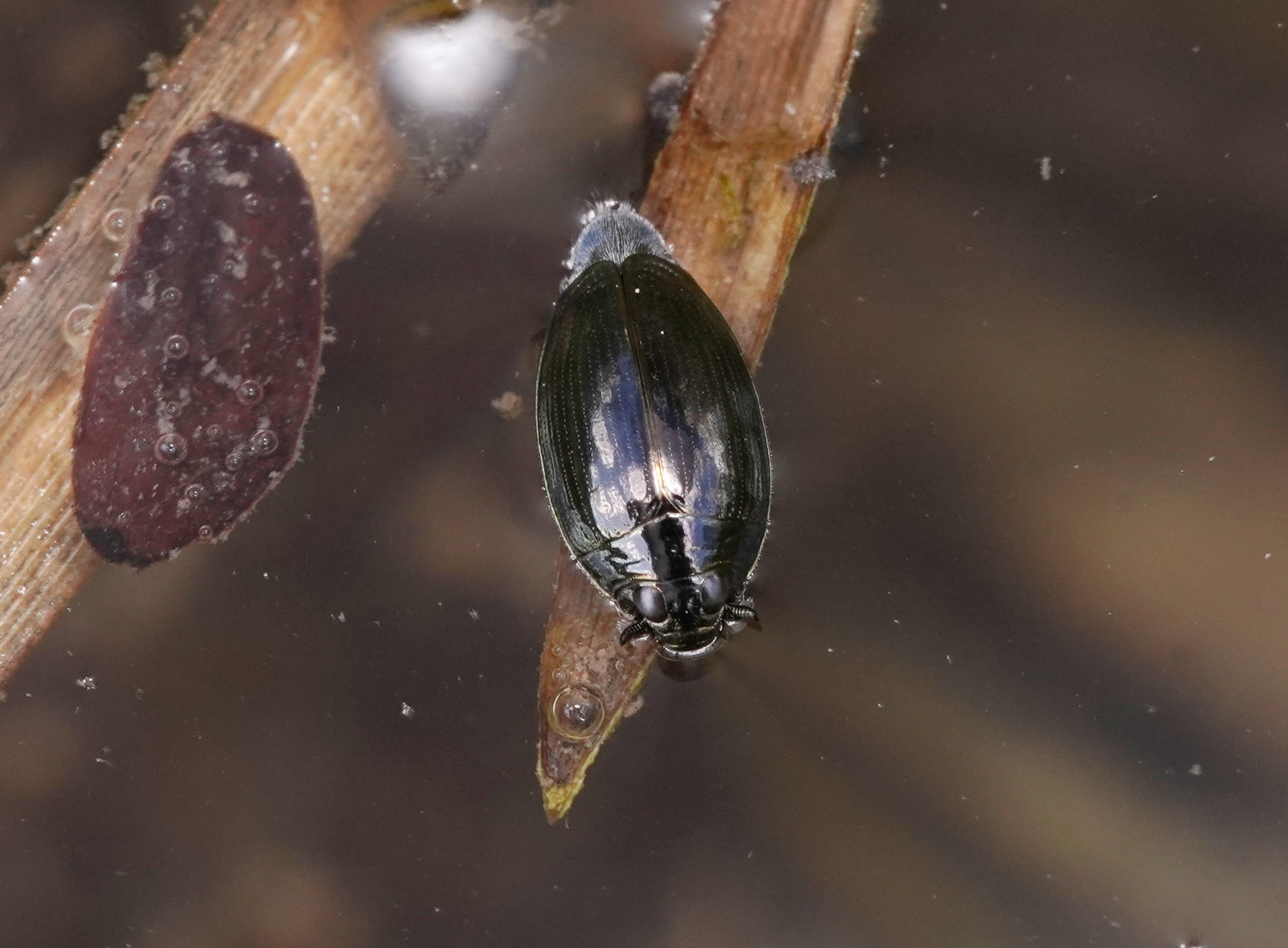
Belgium's population of Whirligig Beetles has disappeared since 1950. Credit: AfroBrazilian/Wikimedia Commons
“Water quality deteriorated after 1950, leading to the disappearance of a number of aquatic beetle species,” Thomaes warns. The use of anti-parasitic medicines on livestock has notably shrunk dung-beetle numbers because pesticide residues linger in manure, and are transferred to the beetles that feed on it.
Overall, about 8% of the species with regionally assigned data appear to have vanished nationally, and another 7% have not been recorded since 2000. Notably, 43% of the species last seen before 1950 were recorded only in Wallonia.
Belgium is home to 108 “exotic” species, amounting to around 3% of Belgium’s beetle fauna. Some, such as museum-lurking dermestids, mind their own business; others upset the balance.
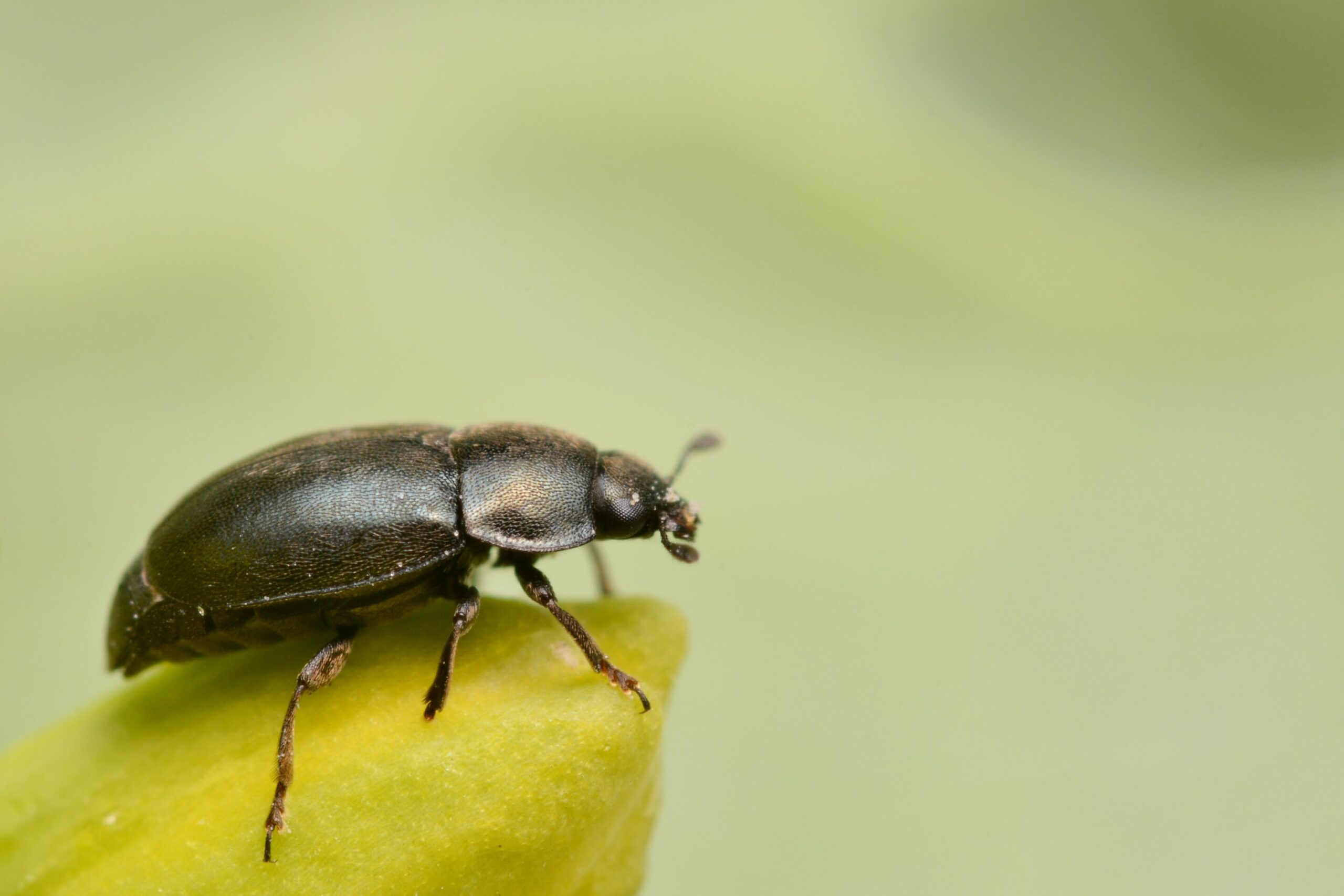
A rapeseed pollen beetle, as capture near Gembloux, Wallonia. Credit: Gilles San Martin/Wikimedia Commos
Related News
- More and more pollinating insect species under threat in Belgium
- Mosquitoes becoming increasingly resistant to insecticides, Belgian study shows
The Asian ladybird, once released as a natural aphid-killer, now outcompetes native ladybirds and eats butterfly eggs, explained Wouter Dekoninck, an entomologist at the Institute. He explained that while not every newcomer is invasive, when they are, they can significantly disrupt local biodiversity.
Regional analysis reveals that Wallonia is the most beetle-rich region, with 89% of the regionally assessed species recorded there. Flanders follows at 81%, and Brussels, despite its small size and large urban population, comes in with a surprisingly high 61%, thanks to intensive surveys in areas like the Massart Garden in Auderghem. Wallonia also boasts 14% of species that appear nowhere else in the country, thanks to specialised habitats like raised bogs and calcareous grasslands. In comparison, Flanders holds 7% of unique species, many of which are coastal.
More than 56% of all beetle species are found across all three regions. The checklist is not only an interesting insight into the world of beetles, but it should also serve as a valuable source of material for conservation and climate monitoring.
