
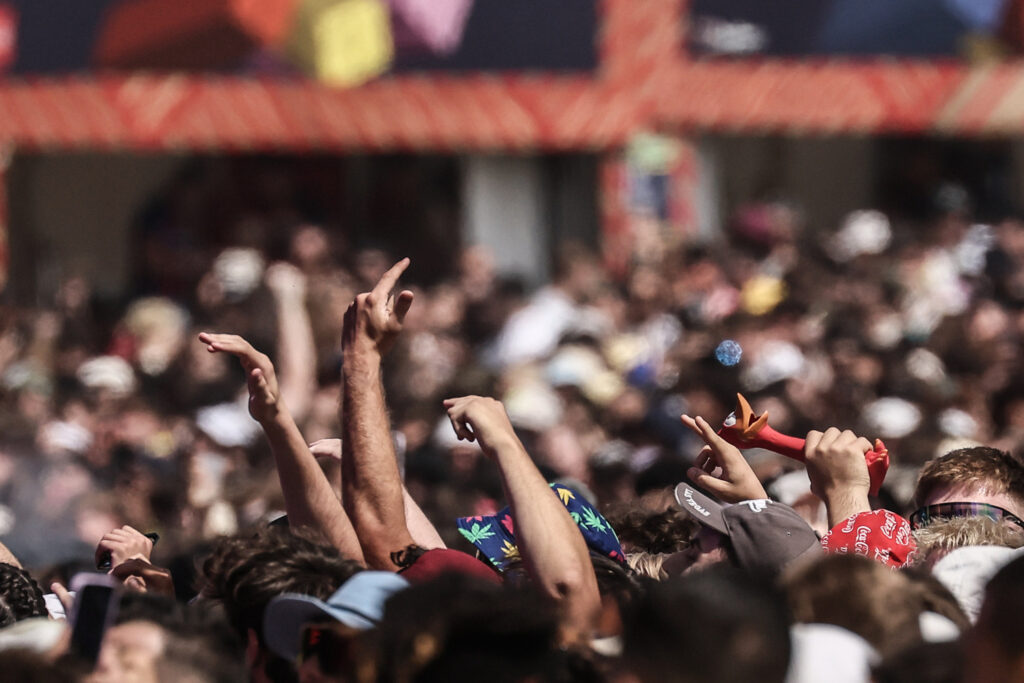
Summer-time means festivals, and Belgium hosts some of the most iconic open-air festivals and concerts in the world. A major factor in a successful event is ensuring attendees feel safe.
The annual Fête de la Musique events in France would appear, at first glance, to have failed that test. According to Le Monde, the French Interior Ministry confirmed 145 people reported being stabbed or injected with syringes during the solstice festivities, with 12 suspects arrested.
However, scratching beneath the surface reveals a deeper story of potential hysteria and the conditions for increased fear to take hold.
Ahead of this year's Fête de la Musique, there were reportedly signs online that syringe attacks were being planned in France. Feminist influencer Abrège Soeur issued warnings to her followers on TikTok to be more aware.
Despite the arrests in several locations across France, nothing concrete has come to light on what was included in the syringes. Reports have focused on allegations, arrests, and hospital visits. However, as Pascal Viot from the European Festival Association and Paleo Festival in Switzerland told Brussels Times it is "always difficult to assess if a red point is from a syringe or something else."
Without proper planning, attendees will feel less safe
How the two festivals of French culture are organised in France and Belgium provides some insight into why one country may have seen a high number of reported attacks and the other didn't.
Francois-Xavier Descamps, a spokesperson for Fête de la Musique in Belgium, said that while in France street concerts are "spontaneous", in Belgium everything is planned ahead with police and municipality involvement. At the main event at Parc du Cinquantenaire, "the police are present, and there are private security and info points on hand to help anyone who encounters a problem". From there attendees can be referred to the right places on site for support. This differs from cases in France where potential victims were referred to hospitals to get tested and treated.
He went on to say that there is also a further difference between the two countries in how the festival is received among the wider population, in Belgium "it's very jovial and generally very well received by the population, who don't see the Fête as a nuisance, as is often the case in France."
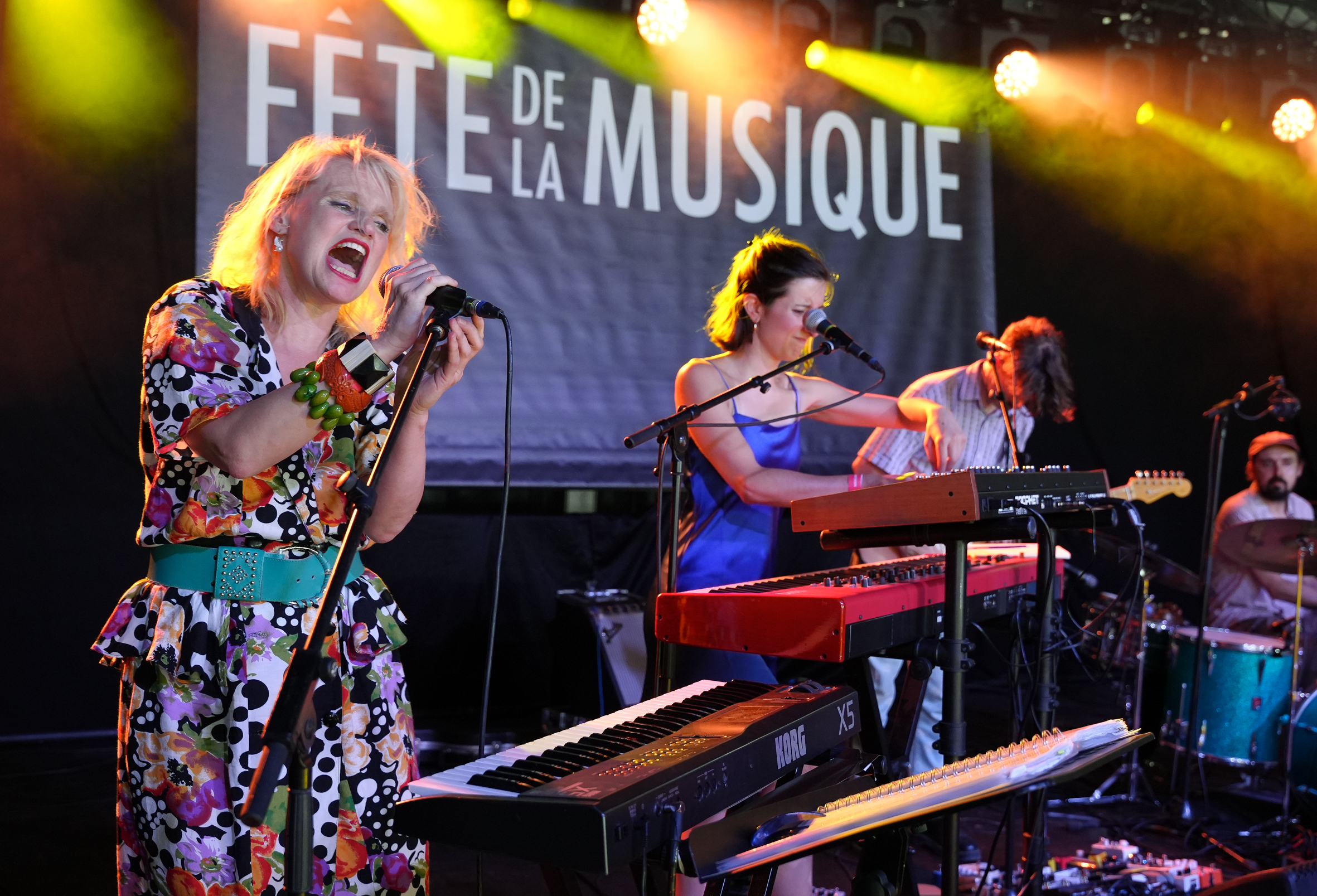
Credit: Fete de la Musique / Bernard Babette
In 2022, there were similar reports of syringe attacks during Fête de la Musique events in France. The Culture Minister of France at the time, Rima Abdul Malak, was reported by AFP as saying "there is a phenomenon of psychosis more than a real phenomenon" and questioned whether "it's a challenge on social media".
With weaker planning for the events in France, the level of fear around the concerts may be higher. Warnings from Abrège Soeur and others may have contributed to a climate where those attending the events were more vigilant about checking they had not been victims, which is the right thing to do.
Pascal Viot, who is also a professor in sociology, said the important thing for festivals is to ensure people feel safe, as how people feel also impacts safety. This includes ensuring proper collaboration with the police so that potential victims can talk to authorities quickly, efficiently, and with a lot of care about what is needed.
This model was followed by the recent Brussels Pride celebration according to Jeroen Roppe a spokesperson from Visit Brussels. As part of the event a zone was set up for "volunteers and trained professionals to provide a sympathetic ear and psycho-social or medical support if needed."
Should you be concerned about safety at festivals?
"Festivals are a risky thing by nature" notes Pascal. Risk assessments for festivals are becoming more difficult to do, with threats changing frequently. "We are always learning, being challenged by new risks, and need new approaches, we are constantly updating strategies".
To safeguard against this, he argues that festivals should continue to share information freely between themselves about risks and what they are seeing as new trends.
The experience of Fête de la Musique in France offers a reminder of why planning is such an important component of creating a fun festival experience. When things go wrong, people need to know where to go to prevent panic from setting in.
Communication is a key part of this says Pascal, festivals should "stress what is unacceptable behaviour, make it clear where people can go for help if needed, train staff to spot signs of distress, and respond quickly."
Brussels Times has produced a guide on Belgium's best festivals taking place this summer which you can find here.
