At a time when it can feel as though Europe has begun to lose the plot – facing unprecedented threats just when it needs unity most – cultural preservation and heritage practices can seem like luxuries, easily sidelined amid more immediate demands. But what if we flipped the script and looked back to the roots of the European project, to its founding motto: 'United in diversity'?
What if the answers to our current and future crises lie not only in new frameworks and innovations, but in remembering and reviving the cultural heritage practices that have sustained communities and shaped collective identity for centuries?
This question emerged as the unifying vision of the European Cultural Heritage Summit 2025, hosted by Europa Nostra and co-funded by the European Union. For four days (12-15 October), delegates, artists, architects, and policymakers from across Europe have gathered to explore how cultural heritage can serve as a catalyst for renewal: strengthening communities, fostering well-being, inspiring creativity, and building economic resilience.
"Today we need ancestral intelligence as much as we need artificial intelligence," said Europa Nostra’s Secretary General Sneška Quaedvlieg-Mihailović, quoting Alexandra Mitsotakis, President of the World Human Forum.
"The connection between the past, present, and future is essential to the mental well-being of individuals and to society as a whole. If society is not healthy, if the planet is not healthy, it will be very difficult for us to find a way out of the threats and challenges we face today," she continued.
The summit arrives at a pivotal moment for Europe’s cultural policy. As the European Commission prepares to launch its Culture Compass for Europe, a new strategic framework that will guide cultural priorities and funding beyond 2028, the meeting in Brussels carried particular significance.
For more than five years, Europa Nostra and its partners across the cultural sector have advocated for culture and heritage to be recognised not as secondary concerns, but as part of Europe’s essential policy fabric – central to democracy, identity, and resilience. The forthcoming framework reflects much of that work, aiming to link cultural goals with broader EU strategies on climate, social inclusion, and European solidarity.
The European Heritage Awards 2025
At the heart of the Summit was the European Heritage Awards/Europa Nostra Awards 2025, Europe’s most prestigious recognition for cultural heritage.
Presented during the European Heritage Excellence Day at the Royal Museums of Fine Arts and celebrated the following evening at Flagey’s Studio 4, the awards embodied the Summit’s motto, “Heritage Matters for Europe”.
The thirty laureates from twenty-four countries told a collective story of revival: from the meticulous restoration of an Art Nouveau landmark in Belgium, to pioneering glacial archaeology in Norway, to Lithuania’s donation campaign to provide essential restoration materials for Ukrainian museums affected by war. Each project showed that heritage is not a relic of the past, but a resource for the future.
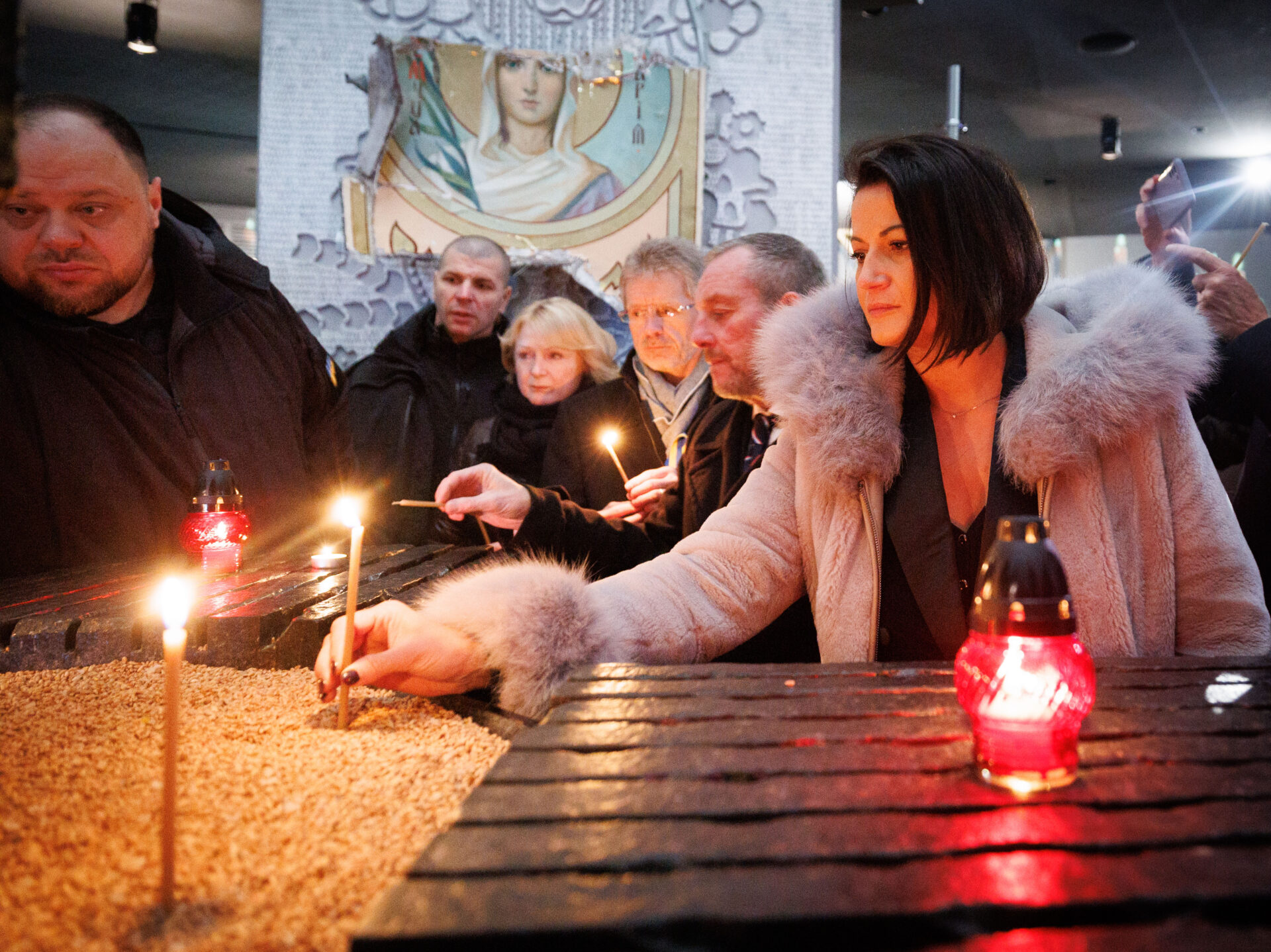
Senate chairwoman Stephanie D'Hose pictured during a visit to the national Holodomor Museum in Kyiv, Ukraine, on Saturday 25 November 2023. Credit: Belga / Benoit Doppagne
Of the thirty winners spanning five categories – Conservation & Adaptive Reuse, Research, Education, Training & Skills, Citizen Engagement & Awareness-Raising, and Heritage Champions – one project from each was honoured with a Grand Prix, alongside the announcement of the Public Choice Award winner.
Each of these projects was selected for its exemplary contribution to preserving Europe’s shared heritage while reimagining its role in contemporary life.
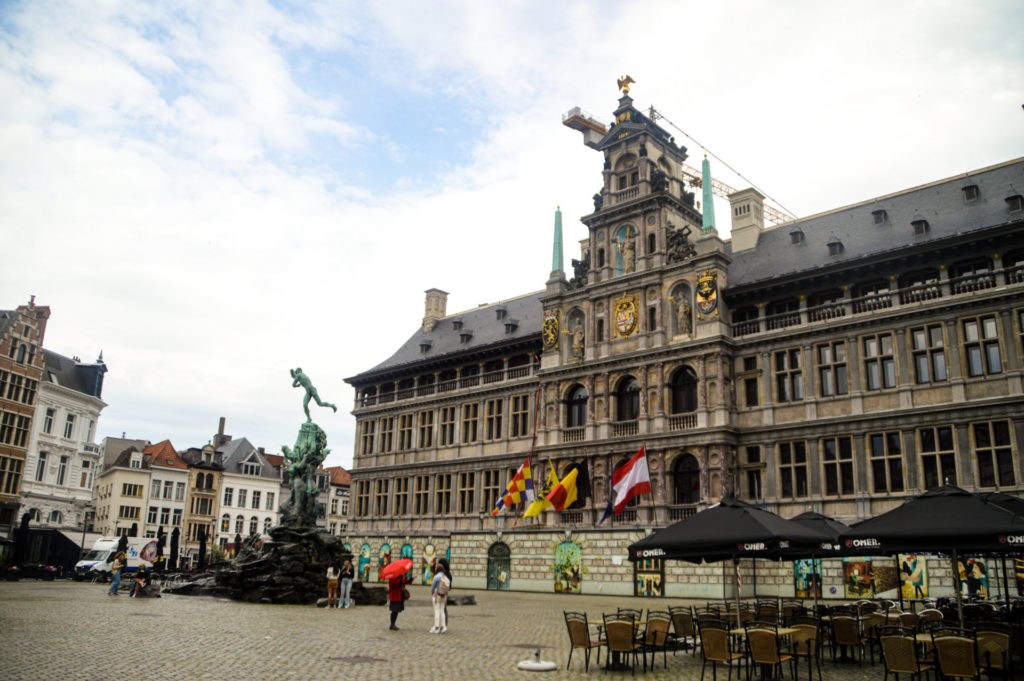
The Belgium restoration project of the Antwerp City Hall was chosen for its revitalisation of a UNESCO-listed Renaissance landmark. The building underwent a holistic and technically advanced restoration, safeguarding its historical fabric while enhancing sustainability.
From Norway, Secrets of the Ice, a pioneering glacier archaeology programme, received recognition for uncovering over 4,500 artefacts, half of the world’s known glacial finds, while raising urgent awareness of climate change through scientific innovation and public engagement.
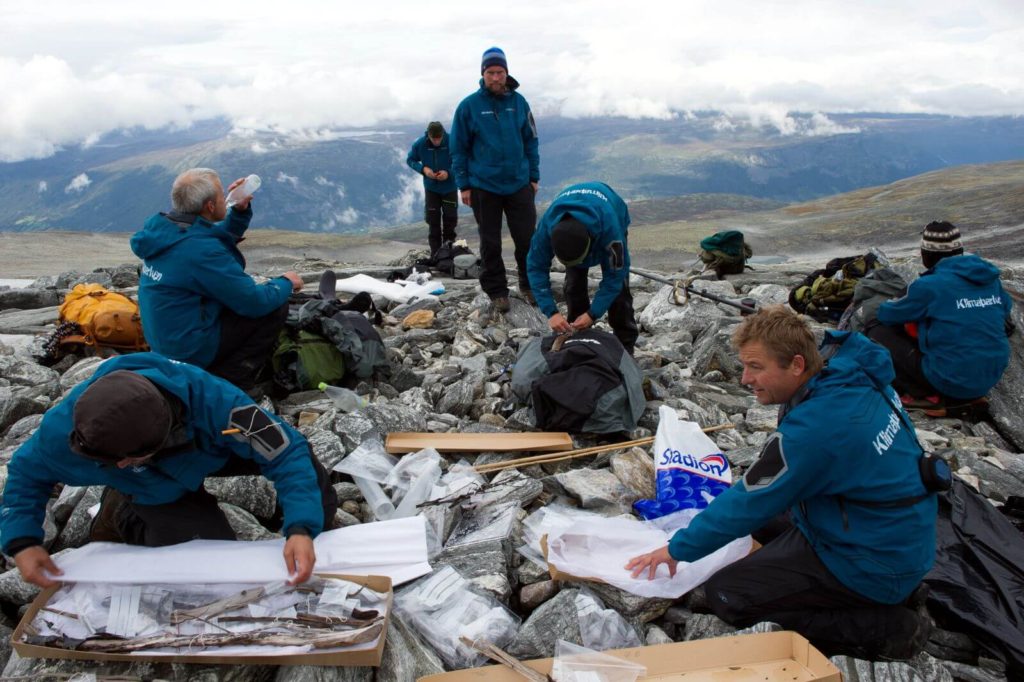
Norway, Secrets of the Ice.
Slovakia’s Pro Monumenta initiative demonstrated how regular inspections, early interventions, and traditional craft training can lead to more effective and sustainable preservation of heritage monuments. In Serbia, The Hedgehog’s Home – Inventing a Better World reimagined a beloved children’s poem through creative co-creation with youth, sparking a nationwide conversation about home, memory, and inclusivity.
Greenland’s Inge Bisgaard was honoured for her lifelong dedication to protecting the country’s built heritage, combining fieldwork, policy, and community dialogue to shape a national conservation strategy. Finally, Spain’s restoration of the Puerta de Alcalá, the iconic symbol of Madrid, was chosen by the public for its transparency, traditional craftsmanship, and scientific precision.
These award-winning initiatives demonstrate that now, as much of what binds Europe feels tested, heritage continues to stand as a force that unites, offering a space where identity becomes connection, not division.
"Heritage is a vector that supports so many strategic objectives of the European Union: from security and defence – because investing in something that connects you is probably the first line of defence when you feel attacked – to prosperity, competitiveness, and sustainable social and economic development," affirms Quaedvlieg-Mihailović.
This year’s summit brought this vital message where it is most necessary today – to the forefront of policymaking in Brussels – demonstrating that remembering well may be Europe’s most forward-looking act.
