
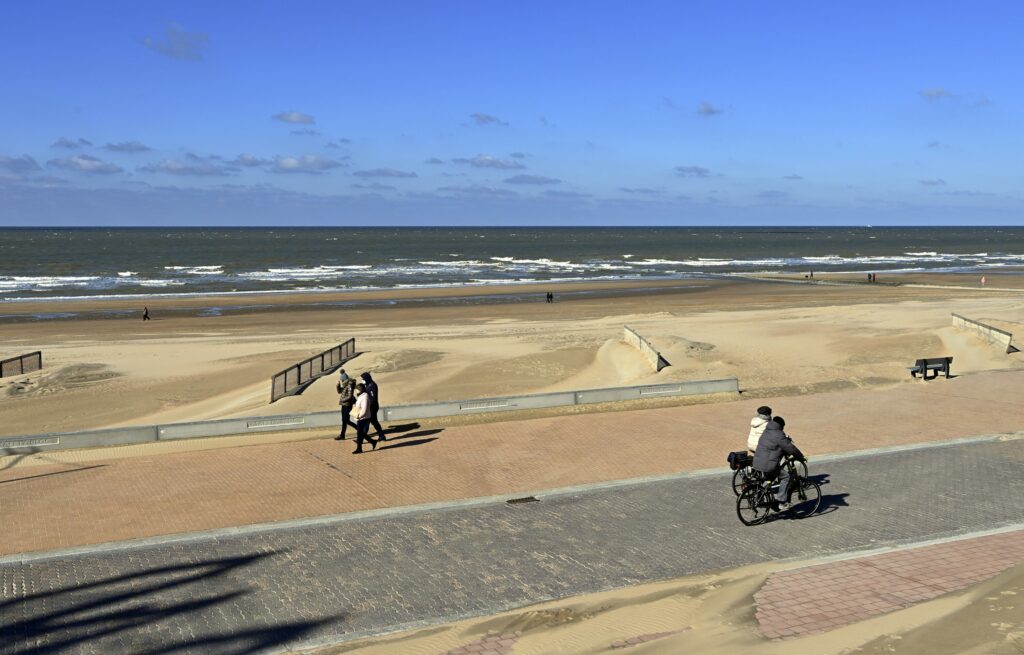
Belgium’s coastline is bracing for big fiscal changes after Koksijde and De Panne confirmed they will introduce a 5% municipal surcharge on personal income tax (IPP) - ending decades of “tax haven” status.
The decision, reported by 7sur7, is already rippling through the second-home market and putting renewed scrutiny on Knokke, now the only municipality in Flanders without a local income tax.
The move is meant to pre-empt a potential ruling from the Council of State, which could strike down the towns’ existing second-home taxes on the basis of inequality. For years, second-home owners have argued that they were being discriminated against: they paid a hefty annual tax while full-time residents paid no municipal income tax at all.
According to 7sur7, both towns feared being forced not only to scrap the tax but to reimburse years of payments.
A “fiscal own goal”
Tax expert Michel Maus (VUB), quoted by 7sur7, called the shift a “monumental fiscal own goal” for second-home owners who had pursued the litigation for years.
“They will continue paying the second-home tax,” Maus said, “and now residents will also pay more. The only major consequence is that the real-estate market will feel the impact.”
With the end of the “tax haven” status, Koksijde and De Panne become less attractive from a tax perspective. Maus expects demand to soften and price growth to slow or even reverse. For a region where property is often seen as a safe investment or retirement asset, that change could be significant.
Residents hit, but compensations planned
For full-time residents, the 5% surcharge represents a substantial new cost: between €750 and €1,000 extra per year for an average income tax bill.
Yet the municipalities insist on additional revenue: an estimated €2.5 million in De Panne alone will partly return to residents through compensatory measures. De Panne plans to eliminate its environmental tax, a move benefiting locals and second-home owners alike.
The reforms isolate Knokke-Heist as the only Belgian municipality still applying a second-home tax without levying municipal income tax. Maus told 7sur7 he is “curious to see how Knokke will justify the second-home tax going forward” now that its two coastal neighbours have adjusted their systems to avoid legal vulnerability.
Knokke has already announced that it will maintain its zero-percent income-tax rate for the duration of this legislature. Its second-home tax will continue rising annually, from €810 to €990 this year, with incremental increases planned.
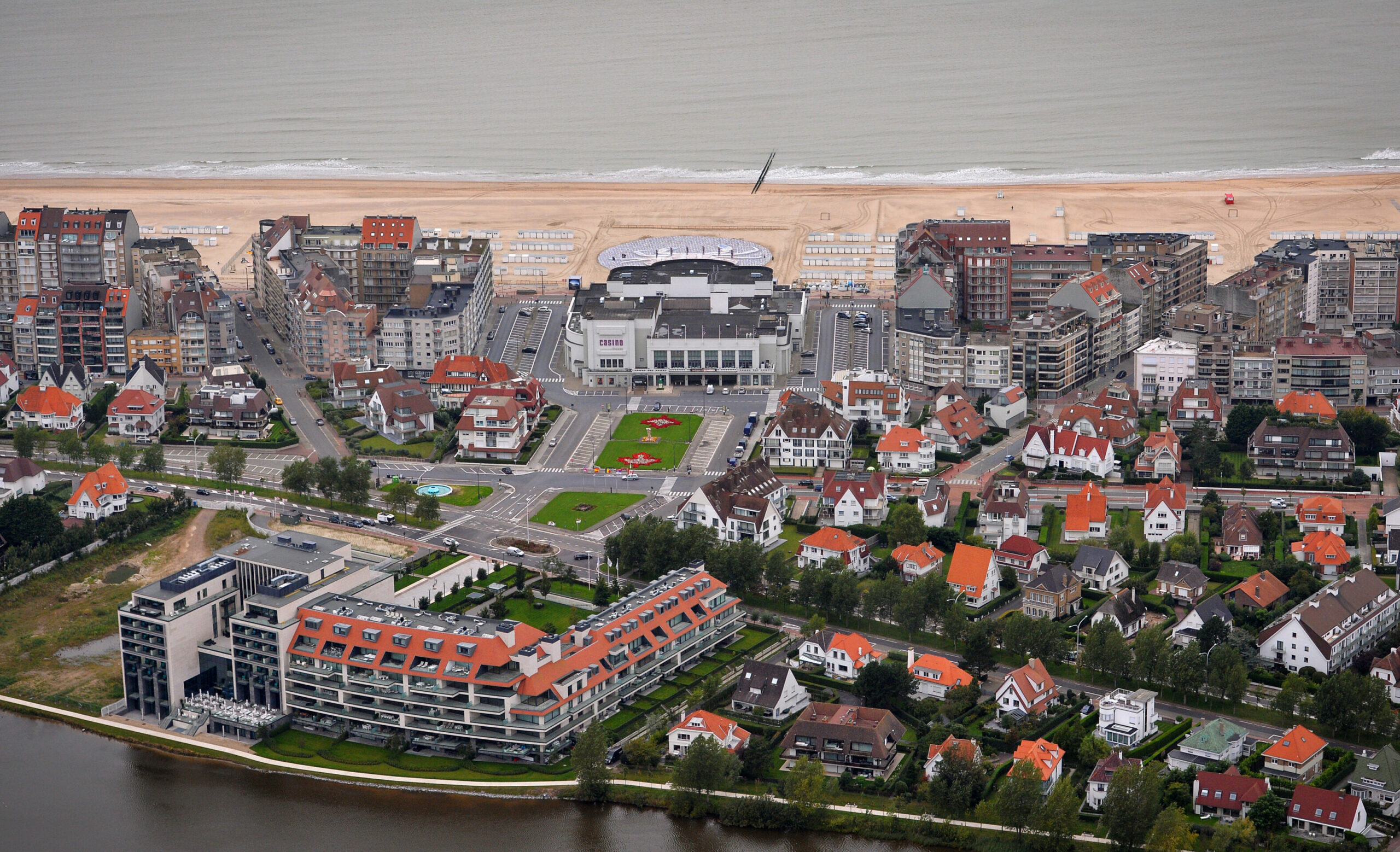
Knokke-Heist is one of the most expensive places to live in Belgium. Credit: Belga/ David Stockman
A turning point for the coast
The developments mark a profound shift in the long-standing fiscal landscape of the Belgian coast, one that is likely to affect not just residents and second-home owners, but also municipal finances and the broader property market.
Related News
- A water leak is causing a risk of road collapse on a Brussels street
- Saint-Josse municipal staff on strike after austerity policies by mayor
- Call for general strike on 15 December
- Flanders invests nearly €3 million in eight films and seven series
- How public transport works in Belgium
- Tram traffic restored between Ostend and Knokke after derailments
