
Many Brussels residents have a story about phone theft, whether their handset was snatched in a pickpocketing hotspot, or it happened to someone they know.
If your phone is stolen, should you go to the police? Call your operator first? Is it even worth reporting if the phone is probably gone for good?
According to Brussels police, you should always inform local law enforcement. As we set out below, the reasons are more practical than many people realise.
Taking the following steps will help protect you against data theft, scams and fraud in the event of your phone being stolen. With luck, it could even lead to you being reunited with your device.
Steps to take when you buy a new phone
Credit: Unsplash
When you get a new phone, here are some steps you can take which will help should you lose it:
- Some mobile subscriptions include optional insurance covering theft and damage. Some Belgian operators, for example, offer a smartphone insurance that can replace a stolen device quickly, provided the theft is reported to the police and accepted by the insurer. When getting a new phone, consider this option.
- Set a strong PIN, short screen lock time out and turn on biometric fingerprint or face scanners to help keep thieves out of your phone.
- Turn on Find My on your phone in settings, which allows you to locate it, lock it or erase it remotely via a web browser or another device.
- Turn on Stolen Device Protection in settings on an iPhone, which blocks access to passwords, pins and credit cards without your face or fingerprint.
- Turn on Theft Protection in Google settings on Android, which locks your phone when it detects it has been snatched, enables remote locking, locks the phone if it goes offline and prevents access to passwords, pins and other settings without your face or fingerprint.
- Set a SIM PIN in your phone's settings, which stops thieves from being able to use your phone account by transferring the SIM or e-SIM to another phone.
- Take note of your phone's IMEI (serial) number, dial *#06# to see it.
- Use biometrics for any and all banking and other sensitive apps that support them to block access for anyone other than you.
- Disable access to quick settings, Siri, Google Assistant/Gemini and notifications when your phone is locked. This prevents thieves from reading two-step codes, turning off internet access, making calls or accessing data.
- Back up your phone's data and settings using iCloud on an iPhone or Google Drive on an Android phone.
- Back up your photos to the cloud using iCloud Photos, Google Photos, Amazon Photos or another service.
Vigilance
The police advise basic physical vigilance: avoid leaving phones unattended on tables or benches, and keep them in closed pockets rather than loose jackets, back pockets or bags.
"It is the same logic as with car keys. If you leave them somewhere visible, you increase the risk," says Dennis Sutherland, commissioner, director of operations and spokesperson for the Brussels-West police zone.
First 30 minutes after a theft
Credit: Unsplash
The first thing to do is to try calling your smartphone from another phone. It may still be nearby. If you forgot your smartphone in a place such as a bar, a bus or a museum, contact the venue or organisation and ask about lost property.
Some smartphones allow you to display a message on the lock screen using another device. You can also add your contact details in advance as your wallpaper.
If an honest person finds your smartphone, they will be able to contact you. If this does not work, report the loss or theft to the police.
Both Brussels police and operators agree on the priority list:
- Contact your mobile operator immediately - Block the SIM card to prevent misuse. Ask about activating a replacement SIM or e-SIM so you can recover your number quickly.
- Secure your accounts - Change passwords for your email, Apple ID or Google account first, then banking and messaging apps. A locked phone significantly reduces risk.
- Go to the police and file a report - Even if recovery seems unlikely, police insist this step is essential. "Without a complaint, the phone is never signalled," Sutherland says. "And a phone that is not signalled can never be recovered." The IMEI entered in the police report allows officers to identify the phone later during checks, sometimes weeks or months after the theft.
Police strongly recommend keeping the original phone box or writing the number down somewhere safe.
SIM block vs IMEI block: what is the difference?

Credit : Unsplash
Blocking the SIM card cuts the link between the phone and the mobile network. "If the SIM is blocked, the person who stole the phone can no longer call, send SMS or use mobile data on the victim’s subscription," Proximus spokesperson Haroun Fénaux explains. This step can be done immediately by contacting the operator.
The advantage is speed. A new SIM, or an eSIM, can usually be activated within minutes in a shop, allowing the victim to keep the same phone number and resume normal use on a new device.
Blocking the IMEI, however, targets the phone itself. The IMEI is added to an international blacklist used by Belgian operators, making the device unable to connect to mobile networks in Belgium. This requires proof of theft (usually a police report).
"The SIM protects the subscription," Fénaux explains. "The IMEI block protects the network from the device."
Can a blocked phone still be used abroad?
Yes, sometimes.
While all Belgian operators participate in the IMEI blacklist system, not all international networks do. A phone blocked in Belgium may still function in countries or on networks that do not consult the shared database.
"This is why speed matters," Fénaux says. "The faster the IMEI is blocked, the lower the resale value of the device."
Can police act on phone tracking?
Credit : Belga/ Dirk Waem
If you happen to geolocate your phone to a specific location, you can inform the police.
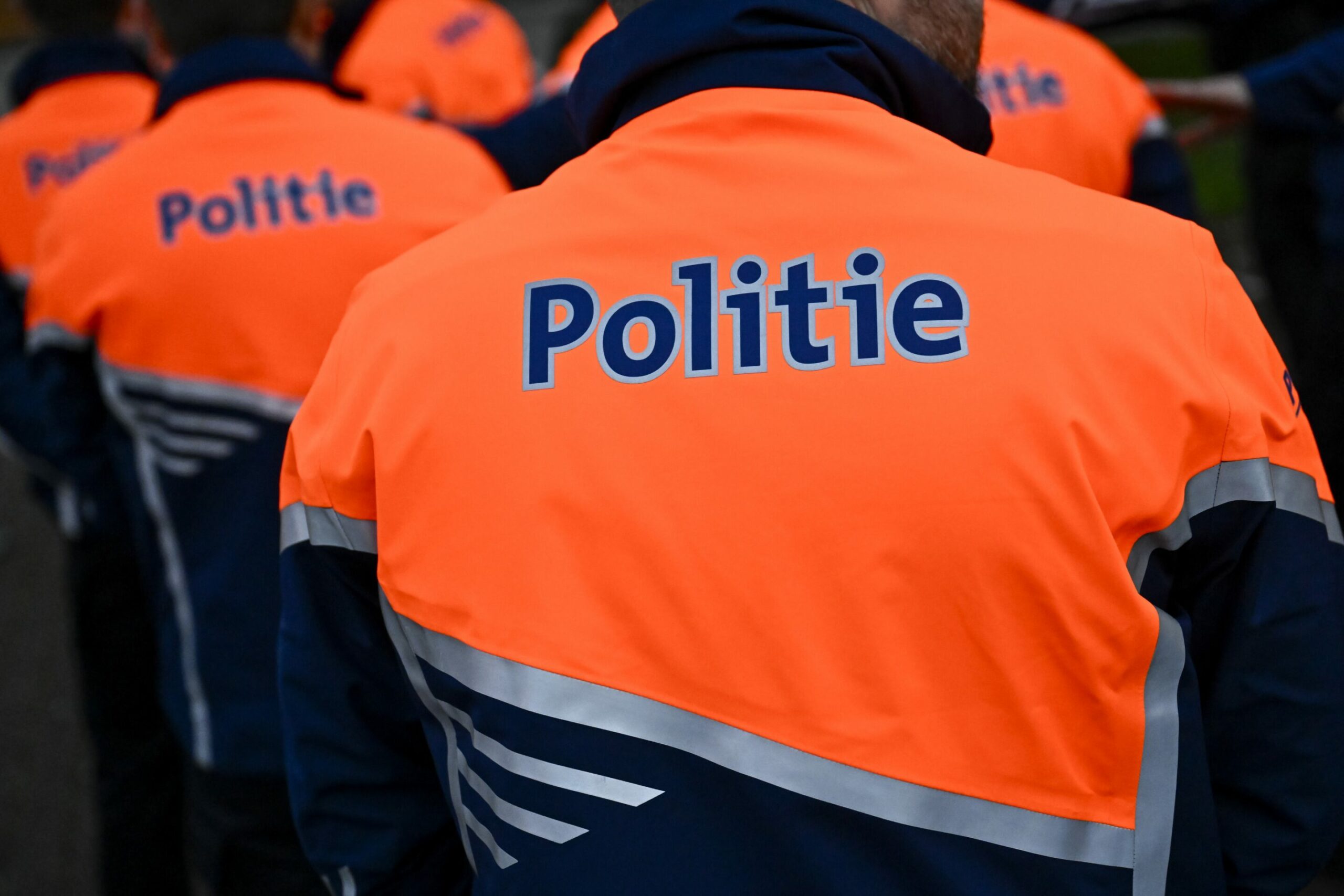
If a stolen phone appears to be moving in public space, police may send a patrol. However, if the signal leads to a residential building, officers cannot search apartments without legal grounds.
"We cannot force doors just because a phone appears inside," Suterland explains.
Tracking is therefore considered supporting information, not a guarantee of recovery.
Other supporting information, however, can make the recovery quicker. "What matters most depends on the situation. If you saw the person who stole the phone, a description is key: their height, how they were dressed, any distinctive features, even the language they were speaking," says Sutherland.
Common mistakes after a phone theft
From the operator's side, the most common issue is delay. "The faster the customer acts, the better," Fénaux says. Blocking the SIM quickly prevents abuse and allows a smooth transition to a replacement phone.
Police, meanwhile, warn against confronting suspected thieves or trying to recover the phone alone. They also caution against leaving phones unattended in public places. "It is not about never using your phone," Sutherland says. "It is about keeping an eye on it."
