The Munich Security Conference opens in southern Germany on Friday against a backdrop of mounting pressure on the international order, with US Secretary of State Marco Rubio set to head the American delegation.
More than 60 heads of state and government are expected to attend the three-day gathering, alongside around 100 foreign and defence ministers.
The annual summit has become a key forum for debating global security, transatlantic relations and geopolitical flashpoints.
Last year's conference was marked by controversy after US Vice President JD Vance delivered a pointed critique of Europe's approach to free speech and migration, catching many European leaders off guard.
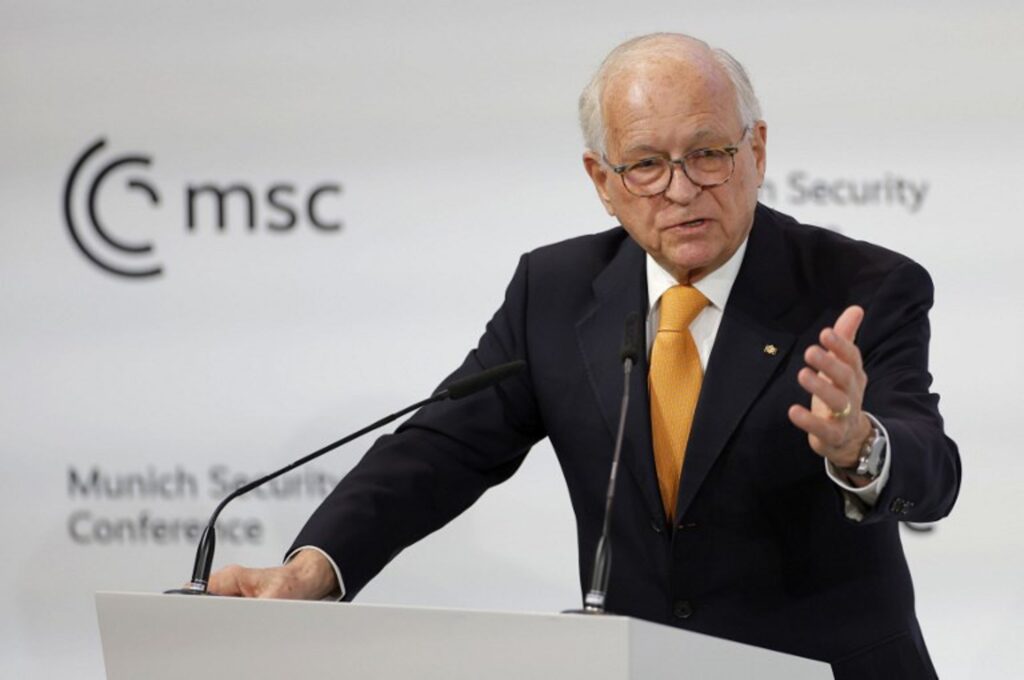
This year, Washington will be represented by Rubio, senior officials from relevant departments and more than 50 members of Congress, according to conference president Wolfgang Ischinger.
Asked whether Rubio might adopt a similarly confrontational tone, Ischinger said he did not expect a repeat performance.
"I assume, unless proven otherwise, that the Secretary of State will speak on US foreign policy matters rather than issues outside his direct responsibility. That is certainly my expectation," he said.
A report released ahead of the summit, titled "Under Destruction", highlights former US President Donald Trump as a central figure in challenging established global rules and institutions, with consequences for trade, security and development.
Ischinger warned that elements of the post-war international framework are already being weakened. "At present, some things have already been destroyed or are at risk of being dismantled," he said.
Among the high-profile participants, German Chancellor Friedrich Merz is due to deliver the opening address, while Ukrainian President Volodymyr Zelensky will attend the conference.
On Saturday, Zelensky is expected to receive an award on behalf of the "brave Ukrainian people", recognising their courage, sacrifice and determination to defend freedom in Europe.
