Thierry Goor is the master mind behind major Brussels food markets. He describes his latest venture, RATZ, as the epitome of "a raw, hybrid food bazaar bursting with life".
Yet, even before raising its shutters, Belgium's largest food hall was embroiled in a cultural appropriation controversy over its Asian-style street food decor. So, we went to check it out for ourselves last Thursday.
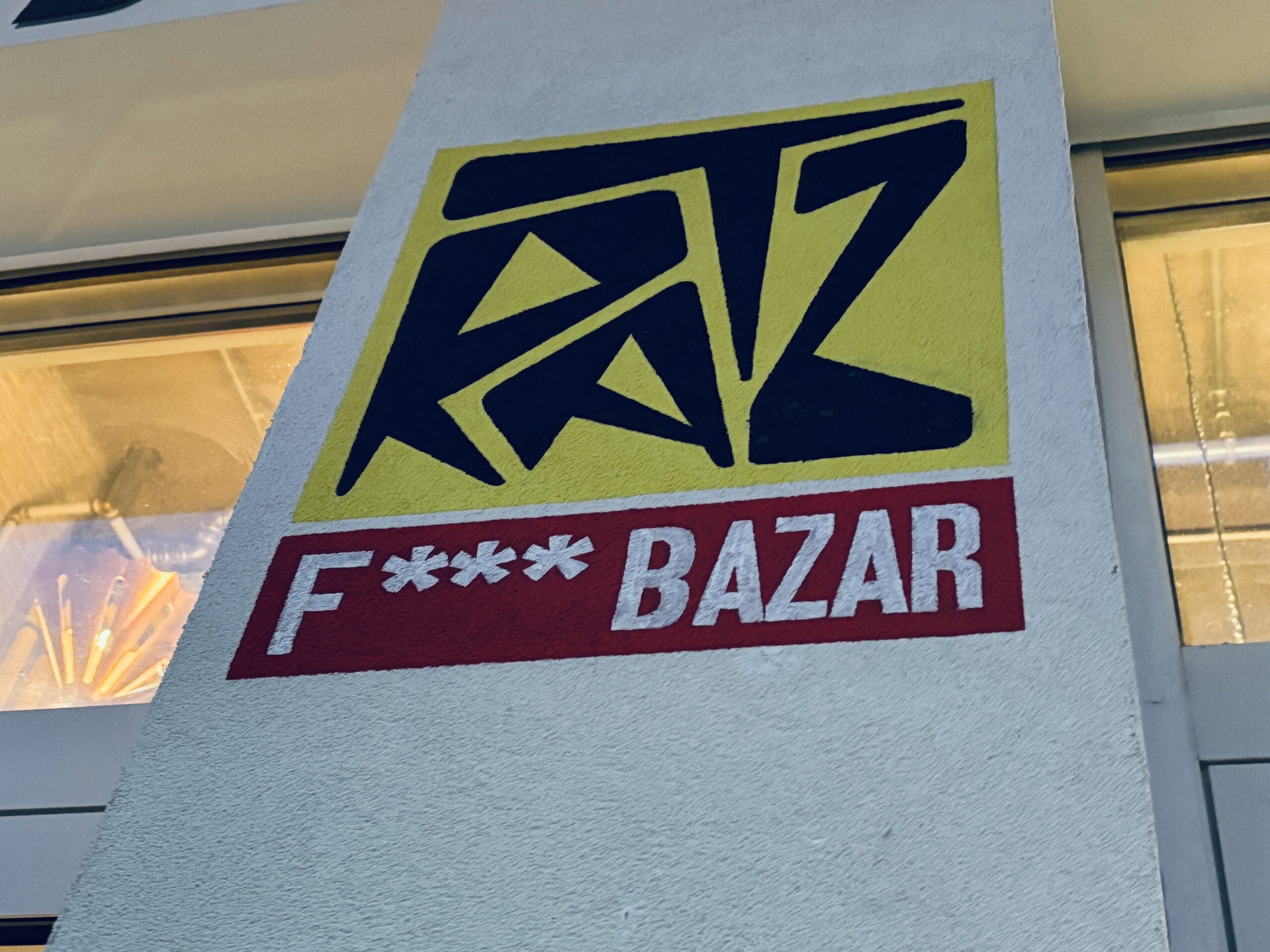
Upon arriving, we are greeted by a large RATZ F*** BAZAR spray-painted on the external wall. The tone is already set. Inside, the 3,000 m² former parking garage feels unfinished, but deliberately so.
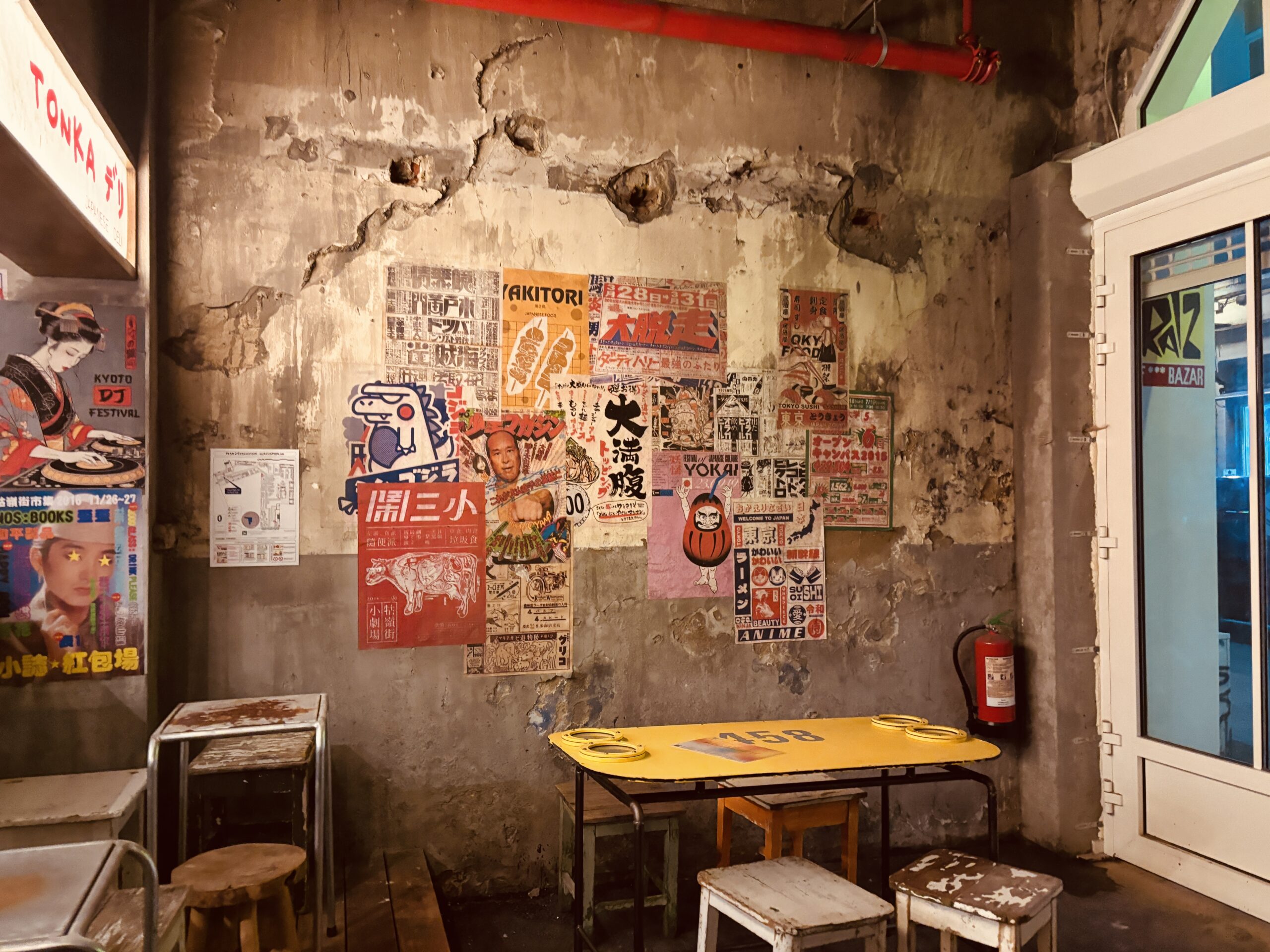
Concrete exposed. Paint cracked. Light hangs unevenly from industrial fixtures. A voyage into the culinary street food culture of Asia and the Middle East, with an urban rundown – all purposefully conceived by Goor.
"I'm more of a movie director, rather than a restaurateur," he tells The Brussels Times on the day of the official opening. "My vision for RATZ was much better than what I had dreamed of," he proudly added.
Credit: The Brussels Times/ Anas El Baye.
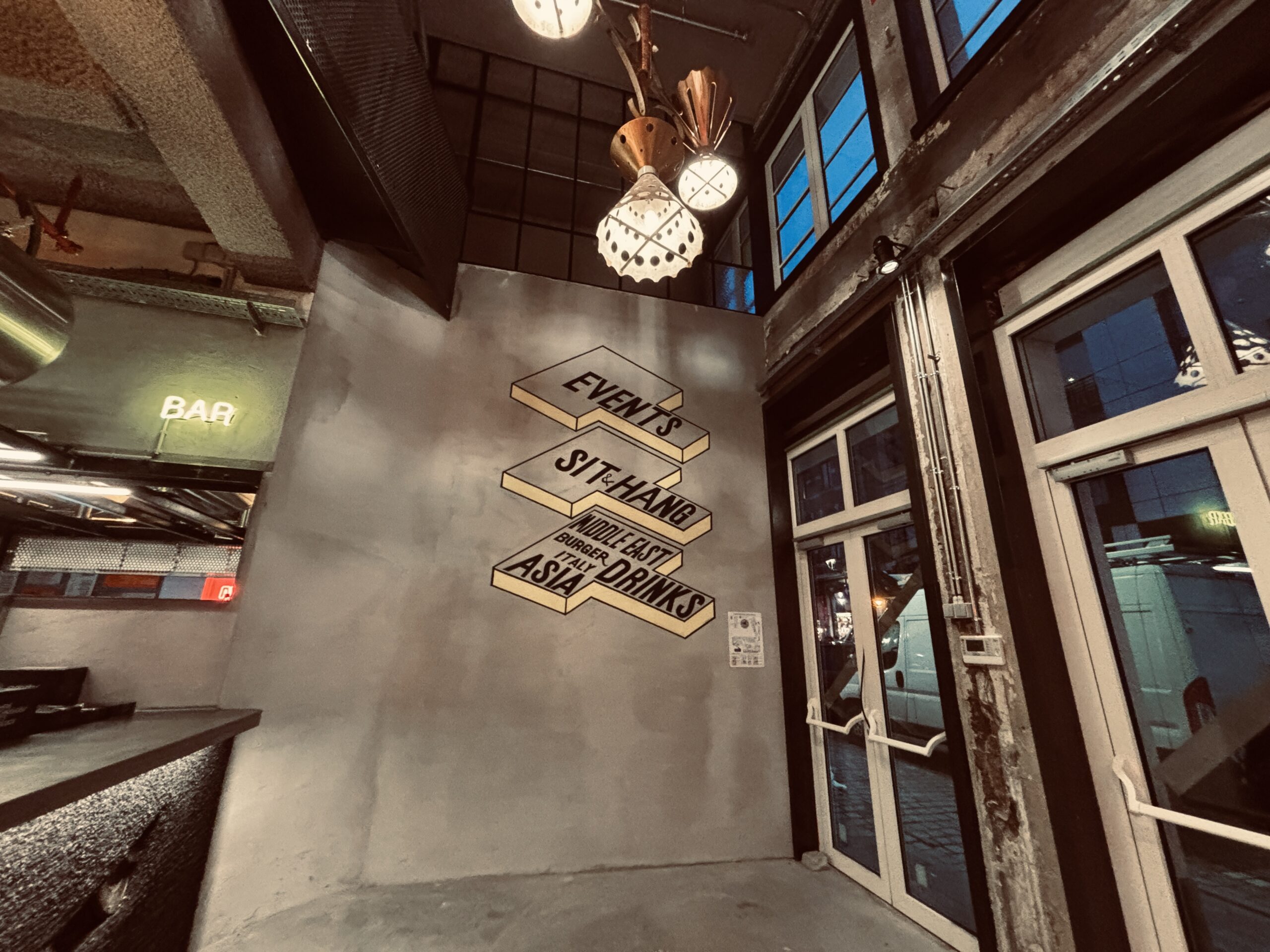
Credit: The Brussels Times/ Anas El Baye.
'Fake homeless people'
However, before its launch, criticism of RATZ surfaced online. Some accused the concept of cultural appropriation and racism. Others left negative reviews before "even setting foot inside", according to Goor.
Brussels-based content creator Félix La Frappe has publicly criticised the concept, speaking to BX1, he said that representing his country (Vietnam) as poor, dirty, with inadequate infrastructure is already a huge problem.
"If I decided to open a Franco-Belgian restaurant in a metro carriage that smells of urine, with fake homeless people, I think you would be offended that I represent your country like that." La Frappe explained to BX1.
Beyond aesthetics, another point was Goor's choice of "flattening the complexity of Asian cultures".
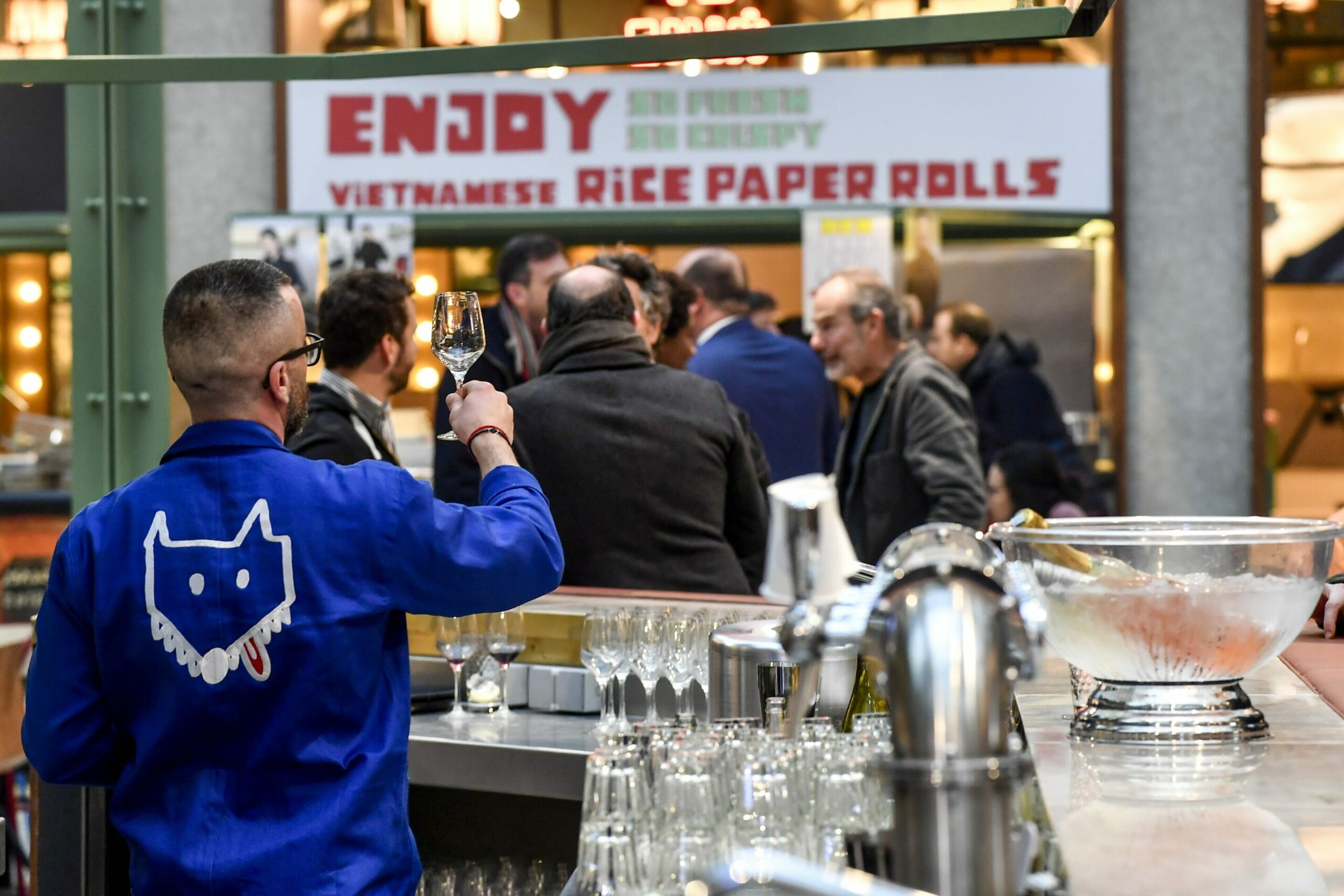
Wolf food market in Brussels, Wednesday, 11 December 2019. Credit: Belga/Dirk Warem.
Culinary photographer Priscillia Dos Santos, also speaking to BX1, questioned the premise of the concept itself.
"We are here in Brussels, in a completely different setting. Trying to summarise several countries into a single street is already a complicated approach in itself," she said. "It is reductive, and it reveals the perspective that this version proposes."
When asked about the criticism, Goor wondered if his vision might have upset some people.
"If I hurt people, I apologise," he says. "But at some point, it has to stop." visibly frustrated: "This is a tiny minority trying to impose views that have nothing to do with reality."
Inside RATZ, the Middle Eastern section is staffed largely by native Syrian chefs, he says. The man overseeing it, Georges Baghdi Sar, Goor explained, is himself a Syrian refugee.
"The person managing these five stands is Syrian. Most of the people working here are Syrian. They speak Arabic. Some of them don't even speak French or English."
"So when people say this is cultural appropriation, I ask them: what are you talking about?"
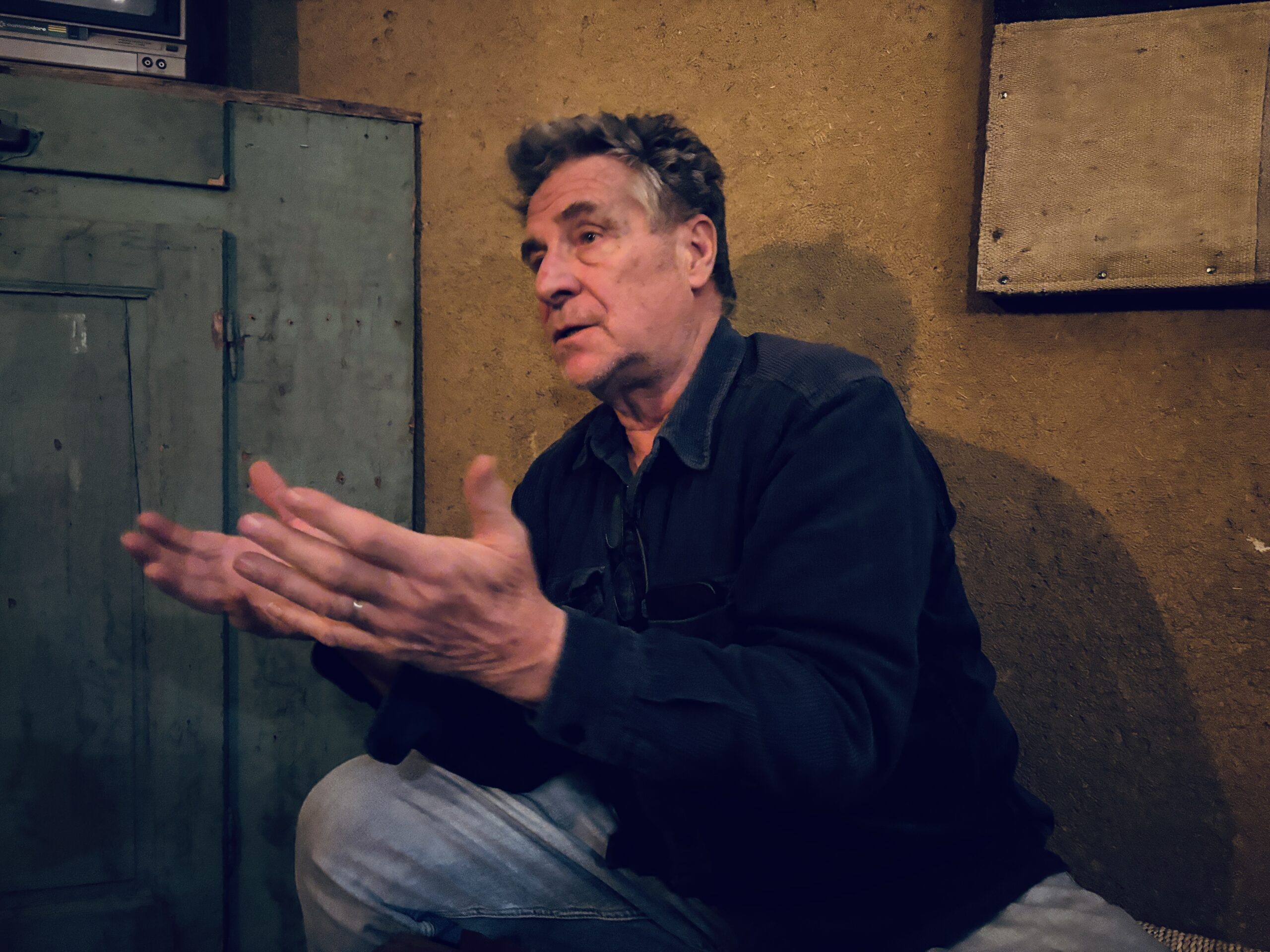
Thierry Goor created the infamous Wolf food market with his 'partner-in-crime' Pascal Van Hamme. Credit: The Brussels Times/ Anas El Baye.
For him, the accusation misunderstands his intention entirely. "This is a place of sharing," he says. "A place where cultures meet."
The criticism, he suggested, comes largely from people who have not visited.
"We even had negative reviews on Google before we opened. People saying it was too expensive, too this, too that. But we weren't even open."
King of food halls
Before RATZ, Goor co-created Wolf food market with his "partner-in-crime" Pascal Van Hamme. Two of their associates then bought their shares, allowing them to move on.
"Let us be clear here, I created Wolf," he says plainly, addressing the recent statement by Wolf, wishing to "officially distance" itself from Ratz and asking journalists to correct references suggesting a connection.
"I found the place. I found the architect. I did the decoration. I did the casting of the food," he says defiantly.
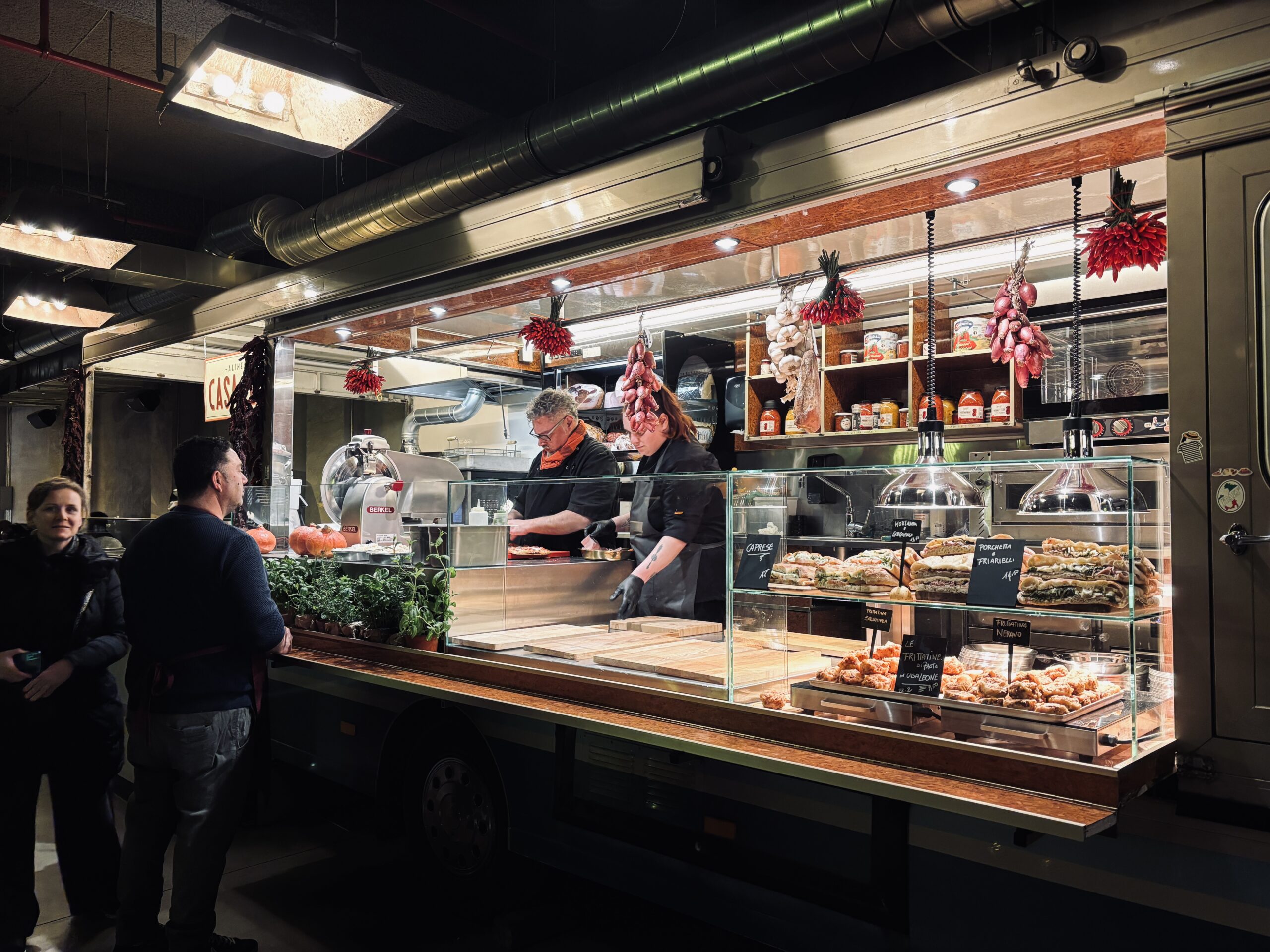
While RATZ focuses on Asian food, there is also space for an Italian-style deli. Credit: The Brussels Times/ Anas El Baye.
"The same concept was replicated in Antwerp", he explains. However, he later went on to say that repetition is "death to his creativity".
For 35 years, Goor worked in the advertising industry. The discipline, he says, shaped him. Advertising taught him to "observe obsessively and amplify selectively."
"A good advertiser is a sponge and a loudspeaker. You absorb everything, and then you amplify the best parts."
Even the name, which might be off-putting, was carefully coined. "In Western culture, rats are vermin. In parts of the East, they symbolise wisdom, wealth and fortune, it's about seeing things differently," he says.
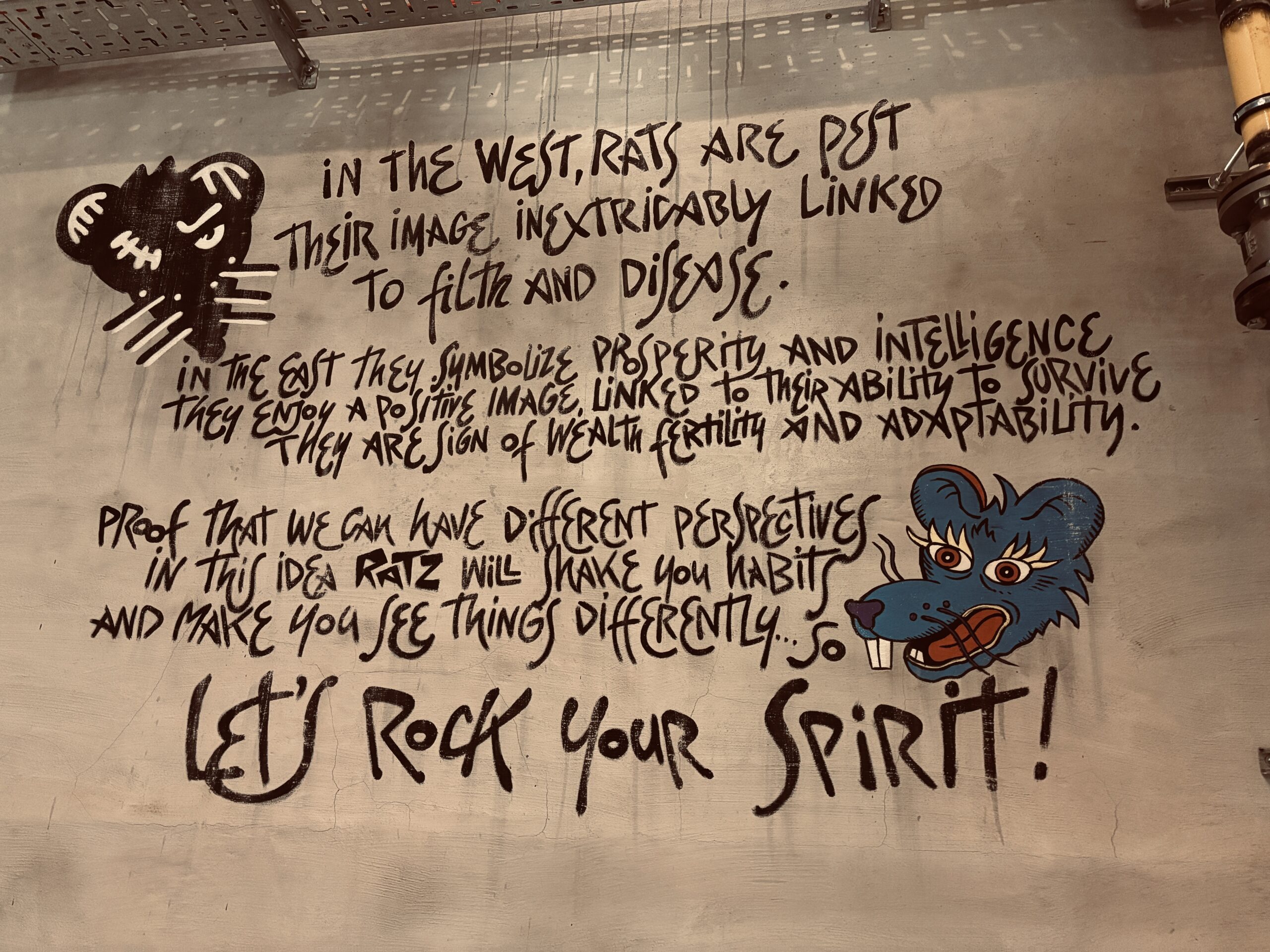
RATZ food hall in Brussels. Credit: The Brussels Times/ Anas El Baye.
At the bar, 39 taps, and almost no bottles. Cocktails, teas and house-made drinks are served from kegs.
"I told the team: no bottles. Zero bottles. Bottles mean transport, pollution, and recycling. So we asked, how far can we push the limit here?"
Upstairs, Goor intends to rent the full 'RATZ beast' for "your corporate bash or wild private party". Markets, film screenings, comedy nights and design fairs, he hopes, will transform the building into something closer to a cultural space than a restaurant.
When we sat down on a low wooden bench beneath a faded textile, Goor greeted every visitor. He went on to indicate the origin of every object around him.
The antique radios. The lanterns. The carpets. The frames – discovered deep inside Bab el Khemis, Marrakech's sprawling flea market. "I know everything here. Every object."
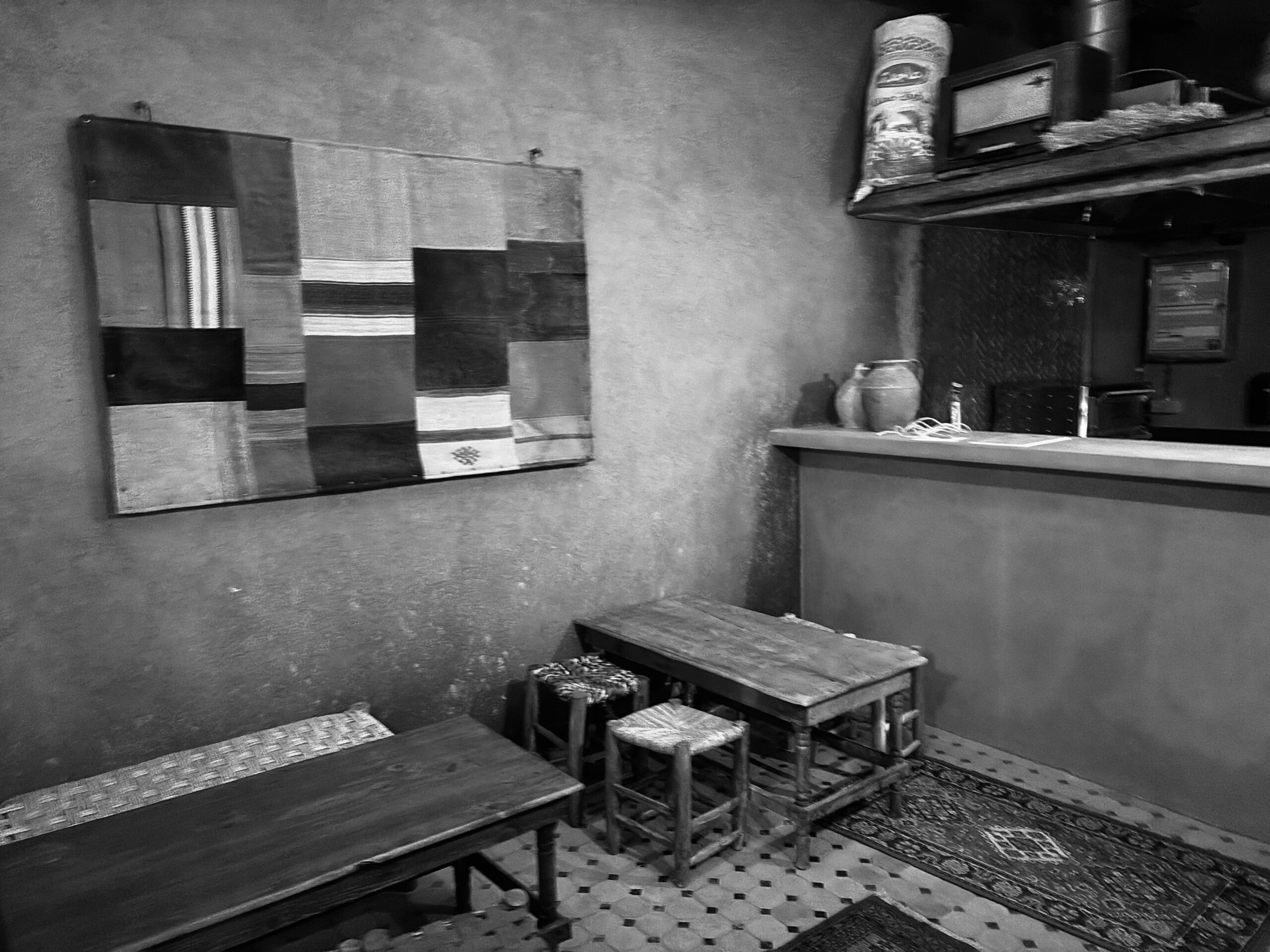
RATZ food hall in Brussels. Credit: The Brussels Times/ Anas El Baye.
Staff continued to interrupt our conversation due to unforeseen events: a glass had smashed barely an hour earlier. Somewhere behind one of the counters, a decorative brooch heated by volcanic stone – shipped from thousands of kilometres away – had shattered under the wrong voltage.
Another mishap with the bank payment terminals in three of the five Middle Eastern food stands was reported. Goor decided the food was free for every visitor.
"Better to offer it than pretend everything is normal," he mumbled while surveying the situation from afar.
"The broken brooch will be fixed by tomorrow. The unfinished elements will resolve themselves. They always do," he added confidently.
His zeal for creative business stems from his three life mottos: Never compromise on your dreams. Turn losses into wins. Problems do not exist; there are only solutions. And for the bonus, he concluded: "I never do the same thing twice."
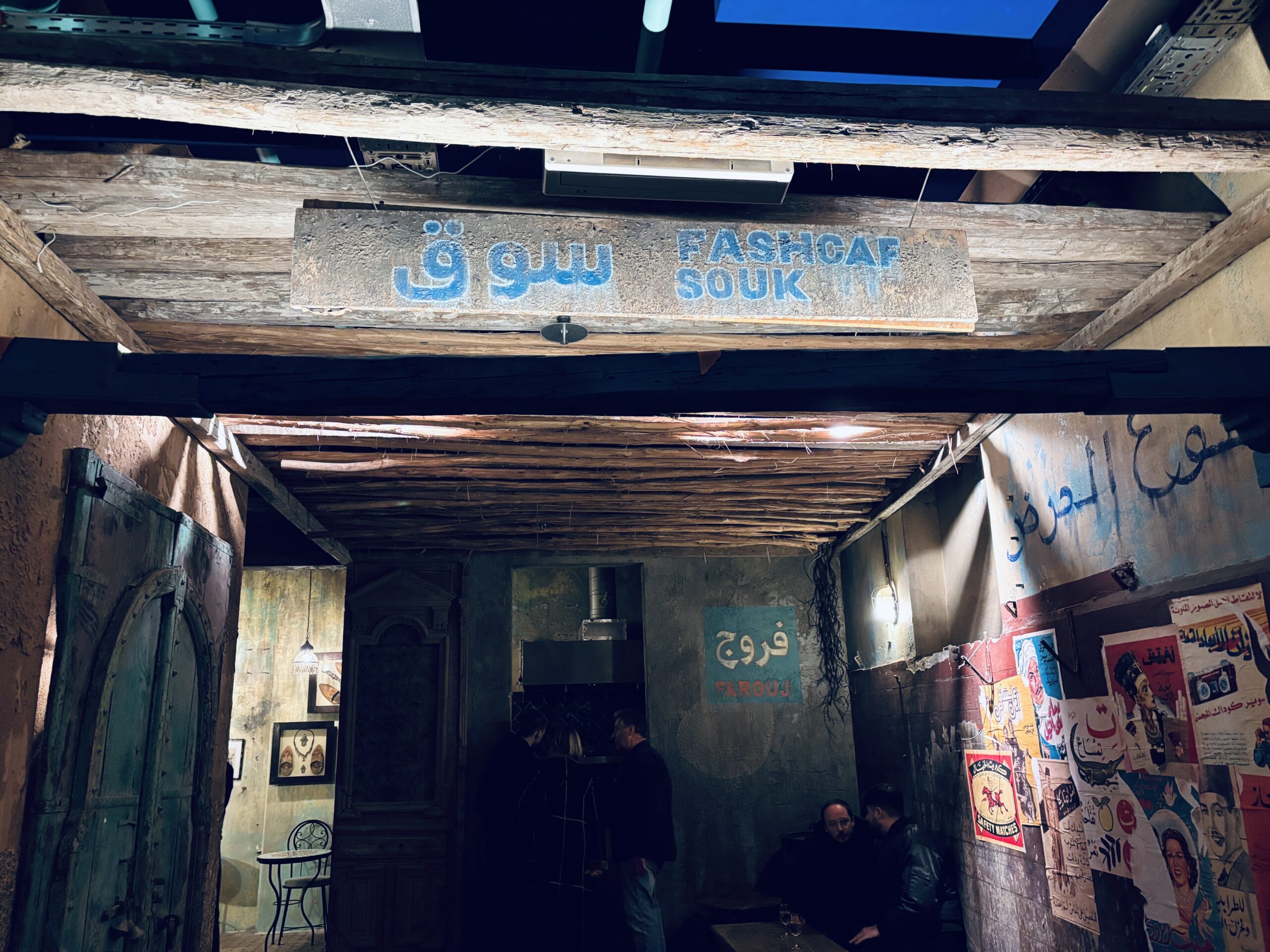
RATZ food hall in Brussels. Credit: The Brussels Times/ Anas El Baye.
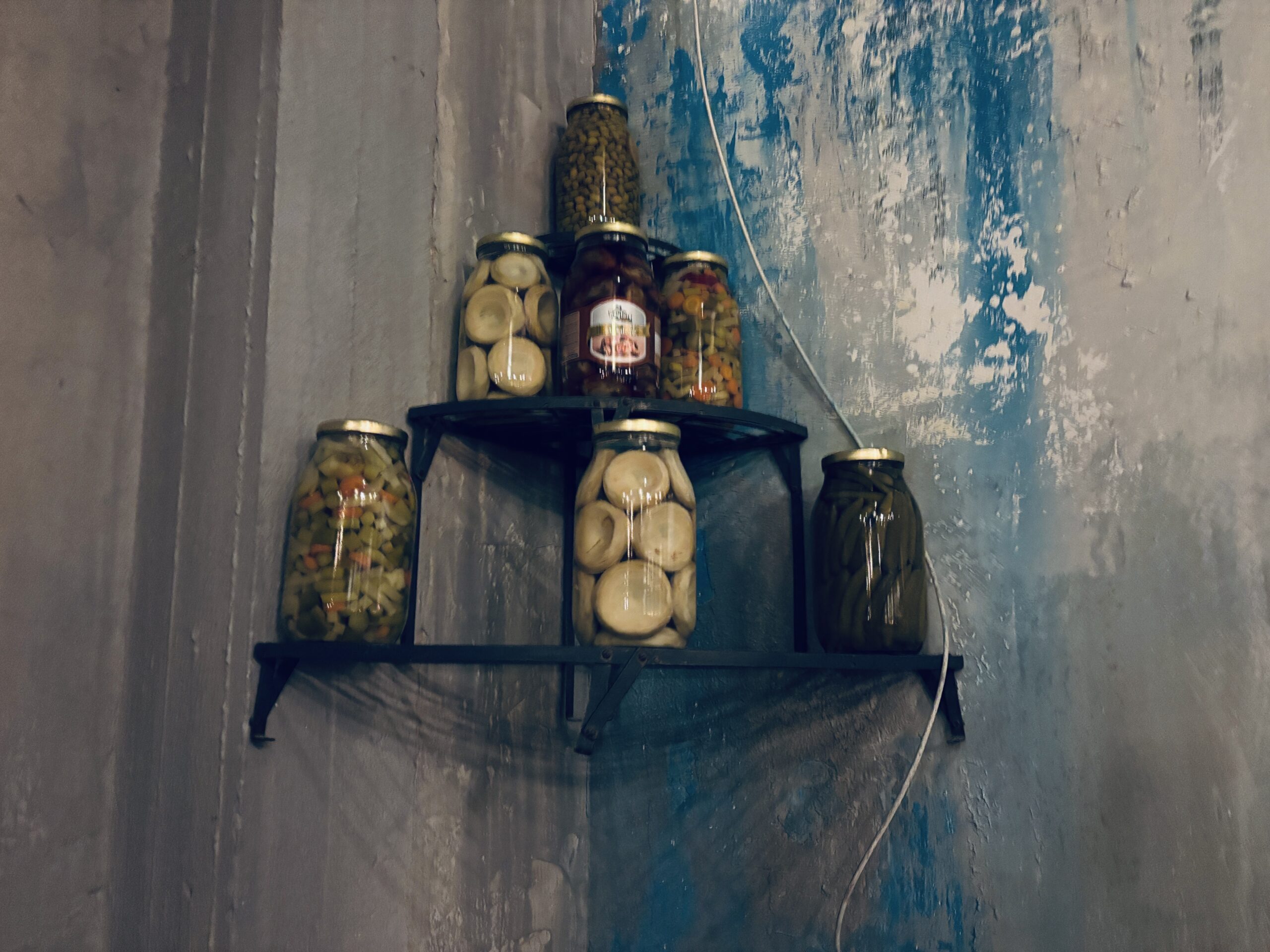
RATZ food hall in Brussels. Credit: The Brussels Times/ Anas El Baye.
