
The war in the Middle East is reigniting concerns about energy prices in Europe. The crisis in Iran and surrounding countries is driving up European gas prices as the security of supply could once again become a problem for Europe – leaving many households to fear a price hike similar to the one following Russia's full-scale invasion of Ukraine four years ago.
"If the conflict continues, the risk of price increases is real," Laura Clays, spokesperson for the Testachat consumer protection organisation, told The Brussels Times. For consumers, that could lead to an increase in the prices of fuel, heating oil, electricity and gas.
On Monday, the wholesale price for gas rose by 23% at the opening of the markets, trading at around €39/MWh. On Tuesday, the price rose to €59/MWh – a 51% increase.
This means that prices now are higher than in February last year (around €50/MWh). By way of comparison, at the height of the energy crisis in 2022, the gas price peaked at €340/MWh – nearly six times the current level.
Prices could double
Since the Russian invasion of Ukraine, Europe has replaced its dependence on Russian gas with LNG imports from the United States (around 60%) and Qatar (around 6%). The latter exports its liquefied natural gas (LNG) via the Strait of Hormuz, which has now de facto been closed by Iran.
As a fifth of global oil production and a fifth of LNG passes through this strait, its closure is now pushing up energy prices. If traffic there is interrupted for a long time, the consequences will be felt in Europe.
On Monday, experts at the American bank Goldman Sachs warned that European gas prices could more than double if shipping through the Strait of Hormuz is halted for a month.
Additionally, gas stocks are currently at a lower level than in previous years (around 30%). This means that Europe will have to import large quantities of gas in the coming months.
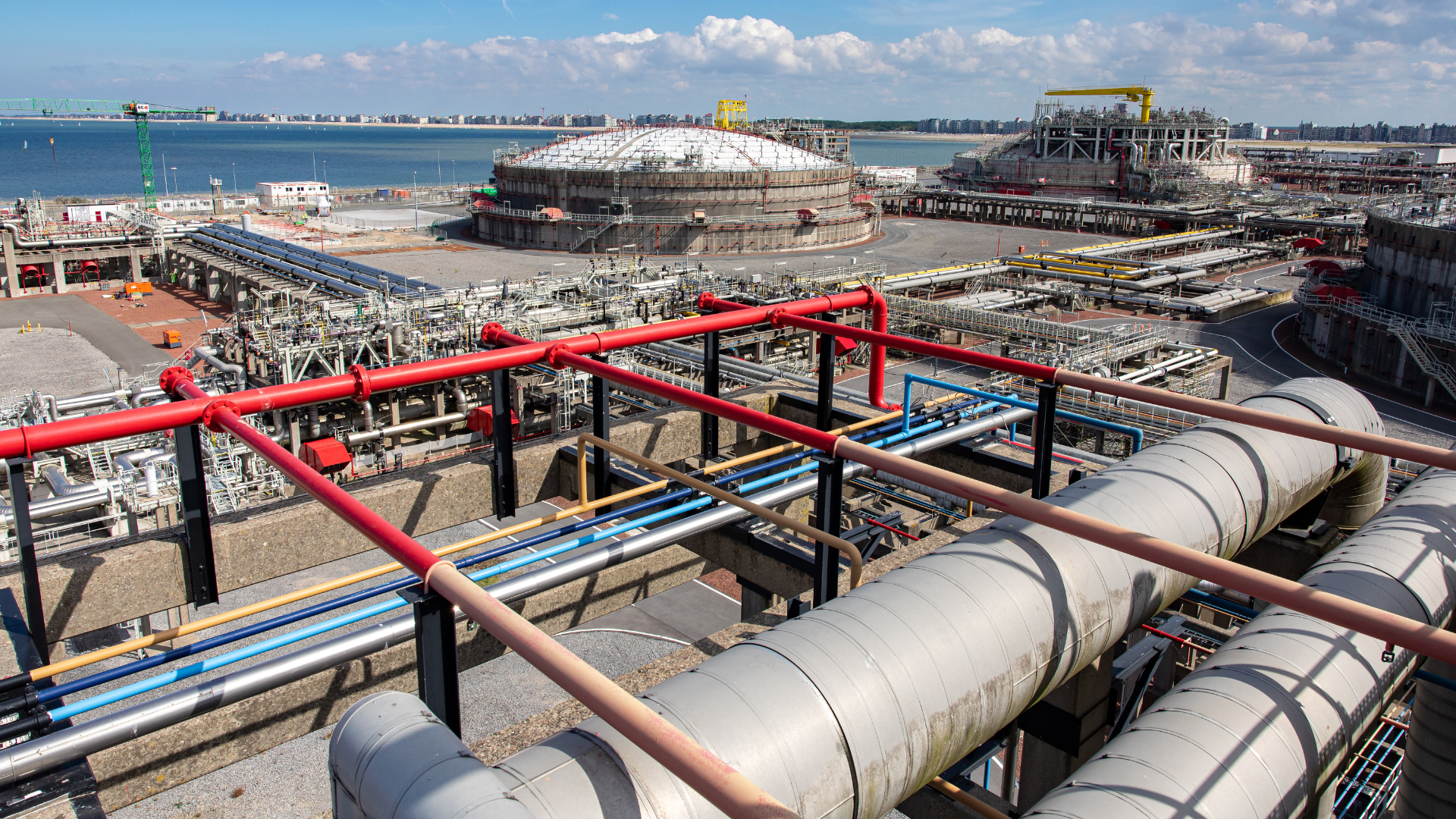
LNG-terminal in Zeebrugge. Credit: Belga / Kurt Desplenter
Testachats stressed that it is difficult to assess the potential consequences of the conflict for global markets at the moment.
If the conflict is short-lived, the consequences will be minor, and price increases will prove to be merely temporary. "However, if the conflict continues and becomes entrenched, the consequences will be more significant," they said.
The chief economist at the European Central Bank (ECB), Philip Lane, warned in an interview with the Financial Times of a rise in inflation in the eurozone. "A rise in energy prices drives up inflation, especially in the short term, and such a conflict would be negative for economic activity," he said.
According to Lane, the extent of the impact and the consequences for inflation in the medium term depend on the scale and duration of the conflict. The ECB is keeping "a close eye" on the situation, he added.
While many analysts agree that the conflict "could last for a long time," Testachat added that there are several reassuring factors as well.
"Winter is over, spring is coming with milder temperatures and therefore lower consumption. Prices in the coming weeks and months will have less impact on the total bill," Clays said.
Is this the time for a fixed energy contract?
As numerous consumers with a variable energy contract in Belgium got a big shock when receiving their energy bills following Russia's invasion of Ukraine in February 2022, the new conflict is making many households a bit nervous.
However, there is no need to panic, Clays stressed. Throughout March, people with a variable energy contract pay the price based on February's prices. "Fortunately, those prices had not yet risen sharply," she explained. "That only happened from 28 February onwards, but as that was a Saturday, the prices that would apply from March had already been set."
In practice, this means that people with variable contracts will feel price increases. "That is to say, they will feel price fluctuations if the average price for March is higher, and they will feel that from 1 April," said Clays
However, she stressed that it is not yet clear whether the price increases will continue throughout March, or whether prices will be that much higher.

Credit: Belga
According to Testachats, those with fixed contracts do not have to worry about sudden increases, as they have locked in a price for a longer period.
"That price is generally 15-20% higher than the price that applied to variable contracts that month. This is a kind of 'risk premium' you pay for the security of that fixed price," said Clays.
Importantly, the energy suppliers have just published their tariff card for March, which is based on the average price in February.
"The price increases resulting from the war have not yet been included. This means that you can wait until the end of the month to decide whether to switch to a fixed contract at pre-war prices," she added.
The organisation also warns consumers to pay attention to the fixed costs and the conditions of any welcome discounts before choosing a contract. Consumers can compare energy contracts on the Testachats website, where the March rates have been made available.
Related News
- Stranded Belgians must book flight themselves from 'safe' country
- 'Like a scene from a movie': Belgians in Dubai shaken as city is hit by Iranian missiles
- Belgium preparing to provide military support if needed
- Oil prices continue to soar due to war in Middle East
- Belgian fuel suppliers overwhelmed as Iran conflict sparks price fears
