
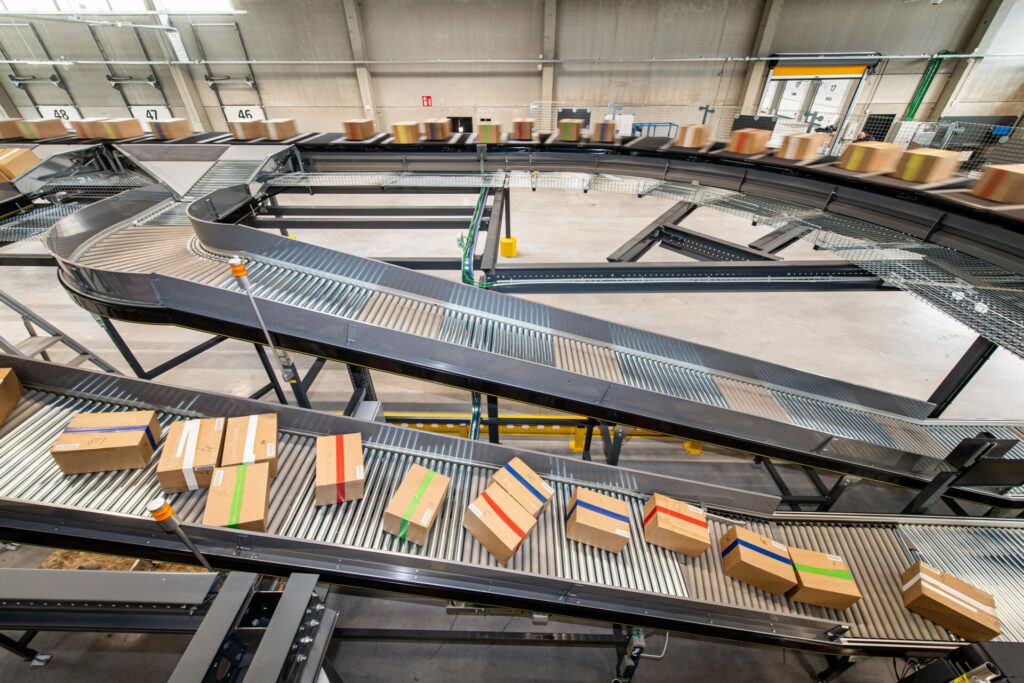
An additional tax on parcels arriving from outside the European Union, new rules for companies delivering these non-European parcels, and a new European customs agency: the EU has agreed on a far-reaching reform of customs rules.
In response to the growing influx of small parcels from outside the EU, the European Commission called for a reform of the Customs Code as early as 2023 – aiming to get a grip on the endless stream of parcels from China.
In 2024, 4.6 billion of these parcels entered the European Union, 91% of which originated from China. Last year, that figure rose to 5.8 billion.
Not only are these packages overwhelming customs authorities, but they often also contain products that do not meet European safety standards.
'Historic' agreement
Now, the European Parliament and the Member States have formally reached what they call a "historic" agreement on the reform of customs rules.
A 'handling fee' will be introduced for parcels from e-commerce platforms outside the EU, to offset for the additional costs incurred by the authorities. This levy will come into effect by 1 November at the latest.
Specifically, part of the agreement stipulates that a levy must be paid for every item sent from non-EU countries to European consumers. This levy covers the additional costs of processing the parcels, which are rising steadily for customs services in Europe.
The European Commission will set the amount of that tax, basing it on the minimum costs incurred by the customs authorities in processing goods, for example in relation to IT, staff and checks.
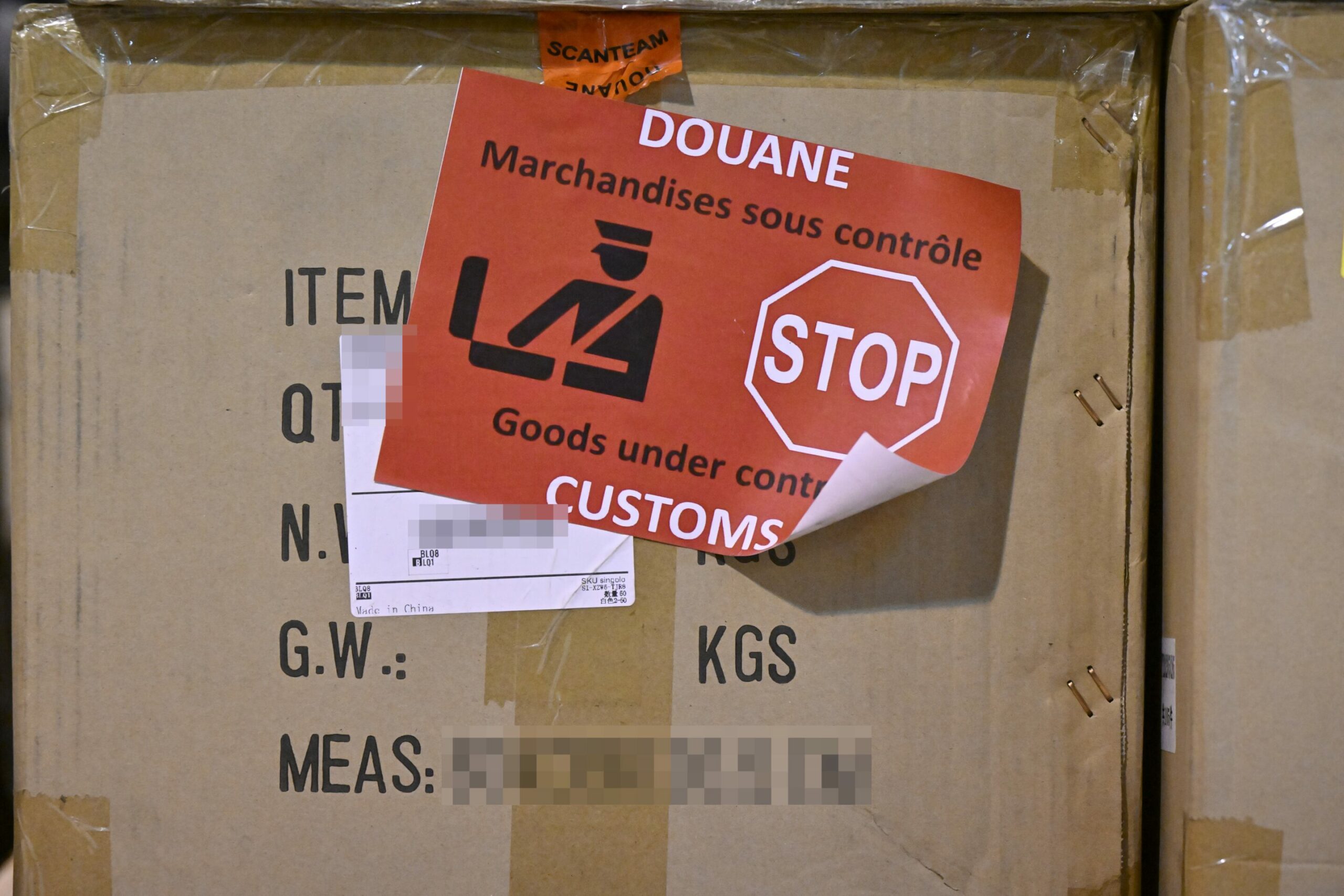
Credit: Belga/Eric Lalmand
Last year, EU Member States also decided to abolish the exemption from customs duties for goods costing less than €150.
To ensure this runs smoothly, a new data hub must first be established, which will eventually replace the 111 different software systems currently in use across the bloc.
The aim is to have this IT system up and running for e-commerce goods from 1 July, and for all goods by 1 March 2034.
As an interim measure, a €3 import duty on small parcels will be levied from July this year.
Stricter rules
The European Parliament and the Member States also agreed on further rules and obligations for platforms that sell goods directly to EU customers from non-EU countries.
From now on, they will be regarded as importers. As a result, they will be required to provide all necessary information to customs, pay the relevant fees and ensure that the goods comply with EU legislation.
That means that under the new rules, foreign sellers must comply with stricter regulations; they must be transparent and guarantee that their goods comply with EU legislation. They must also have a solid presence in the EU so they can be held accountable for their responsibilities.
To encourage bulk shipments (which are easier for customs to inspect), sellers are encouraged to open warehouses here. Currently, many parcels are sent individually. Companies that ignore EU rules could face a fine of up to 6% of their turnover.
There will also be a simplified control system for companies that comply with the rules. A new customs authority (EUCA), to be based in Lille, will coordinate future European customs cooperation and manage the new data hub.

The logo of Chinese e-commerce company Temu. Credit: AFP
While Chinese operators such as Temu and Shein have secured a huge market share in a short space of time by offering extremely cheap products, the EU believes these often fail to comply with European rules, which severely disadvantages local producers.
Speaking on behalf of the Cypriot Presidency of the Council of the EU, Cyprus's Finance Minister Makis Keravnos said he welcomed "the biggest reform of the customs union since its establishment in 1968."
"The new rules will make it possible to better address the many challenges of the new geopolitical reality, while ensuring economic security," Keravnos said.
The Parliament and the Member States have yet to give their approval to the agreement.
