
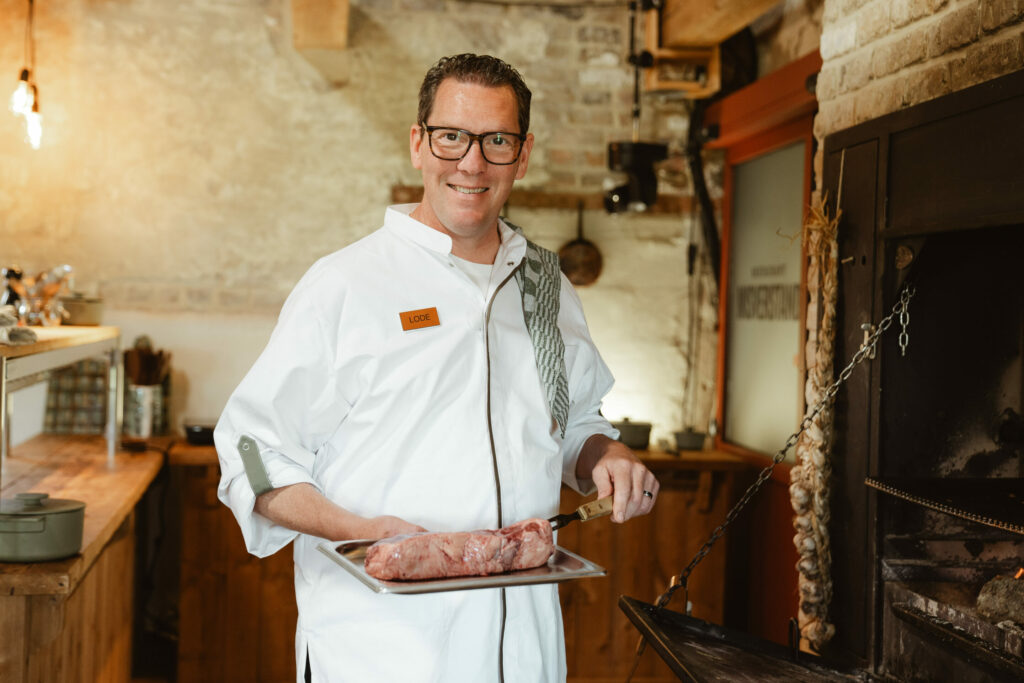
Belgium is being urged to reform euthanasia laws for people with dementia following the publication of an open letter by a man who chose to "say goodbye too soon” to ensure he could medically end his life "with dignity".
Lode Deconinck was 51 years old when in 2023 he was diagnosed with early-onset dementia, which progressively affects memory and the ability to perform daily tasks, among other things. Dementia is early-onset if the diagnosed person is under 65 years old.
Deconinck died in early February through euthanasia, a medical procedure performed by a doctor to deliberately end a person's life at their own request.
In Belgium, a person with dementia can choose to undergo euthanasia only if they are aware of their condition and lucid enough in the moment to decide.
In a posthumous letter, Deconinck explained how the current law left him in a position where he had to end his life earlier than he would have wanted.
"I would have liked to have lived a little longer. But then, at some point, I might not have been allowed to decide for myself how my life would end,” he wrote. “It was a choice: to say goodbye too soon, or to risk wasting away for years whilst my brain continued to deteriorate.”
What does the law say?
A person can undergo euthanasia in Belgium if they have requested the procedure and are in a "medically hopeless condition” as a result of serious and incurable conditions which cause “persistent and unbearable suffering”.
Euthanasia can only be performed on a person who is conscious and of sound mind, or on a person who is unconscious and whose condition is deemed irreversible, as long as they have an “advance directive”, where they expressed their wishes regarding euthanasia in advance.
Unlike in countries like the Netherlands, in Belgium, the right to euthanasia via an advance directive is not extended for cases with advanced dementia, as “the loss of self-awareness is not the same as irreversible loss of consciousness,” according to the Health Ministry.
For Deconinck, the rules in Belgium do not take into account those with early-onset dementia. In his letter, he proposed an alternative system whereby three people, appointed by the person with early-onset dementia and a doctor, are given the power to determine the right moment for euthanasia.
“This is merely a proposal. It doesn’t have to be done this way. People who are smarter than me will surely find even better ways,” he added.
The call for a reform of the system was echoed by the Flemish non-profit Alzheimer Liga Vlaanderen in a statement published in response to Deconinck's death.
The organisation believes that the law should be amended to allow a designated person to be entrusted to implement the wishes of someone with dementia to undergo euthanasia. The non-profit further clarified that the request should be made voluntarily and repeated by the person with dementia "in good time".
Change on the horizon?
Deconinck concluded his letter by urging readers to sign a petition calling on the Federal Government to change the current legislation. "For me, it is too late. But that does not mean it is no longer worthwhile," he wrote.
The federal coalition agreement, signed last year, already outlines a commitment to determine how euthanasia measures could expand to better include people affected by dementia. To date, there's been no reform on the matter.
Speaking to De Ochtend on Radio 1 last week, the Federal Justice Minister Annelies Verlinden (CD&V) explained that the issue is "complicated because the experience of the illness and the patient’s behaviour can change, which makes it difficult to predict future situations.”
Nonetheless, she noted that progress has been made on a "policy document” and that experts on the issue will be heard during a seminar in April.
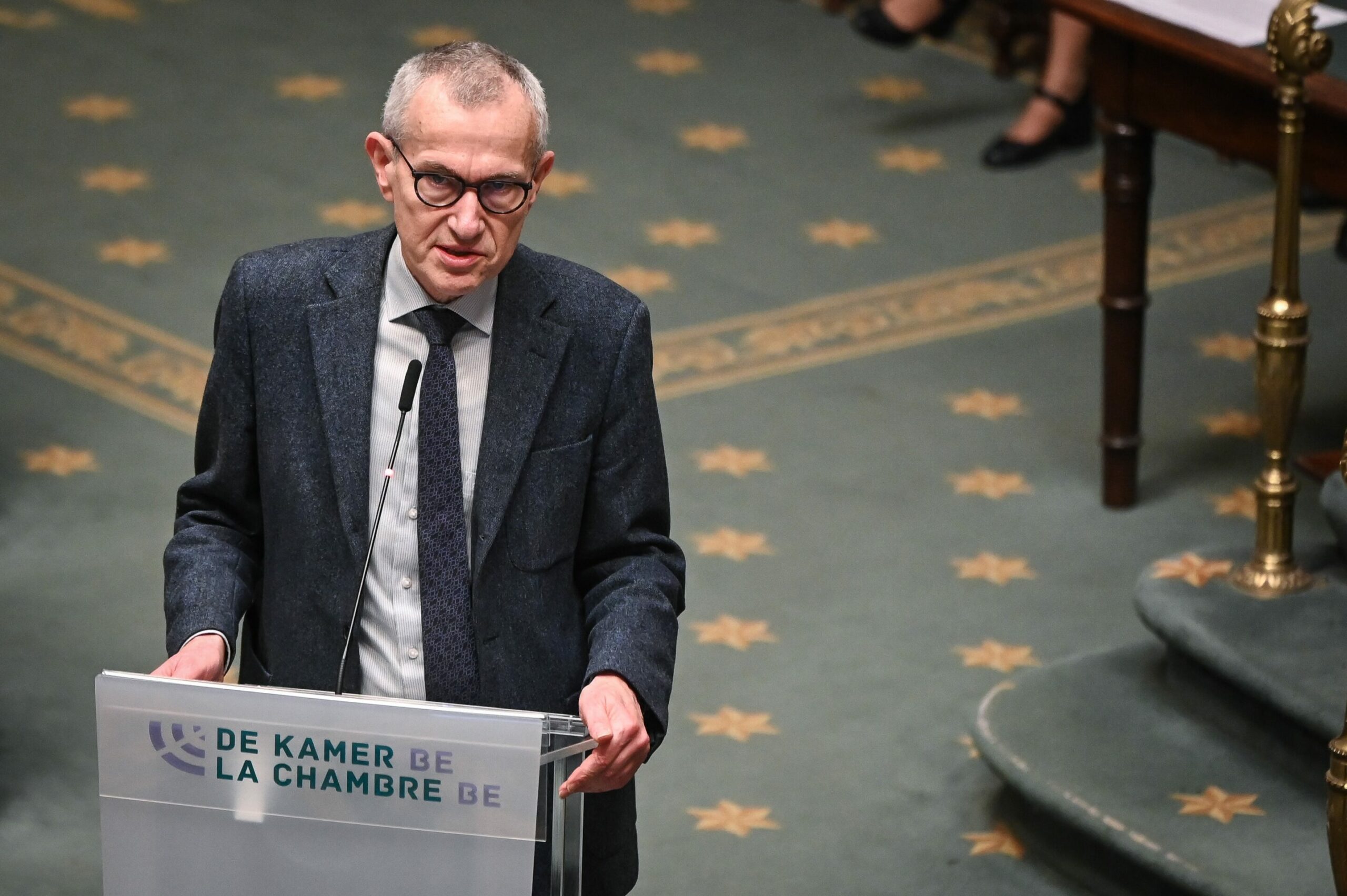
Health Minister Frank Vandenbroucke. CreditL Belga/Elias Rom
During a plenary session last week in the Federal Parliament, Federal Health Minister Frank Vandenbroucke (Vooruit) urged Verlinden to submit the draft legislation regarding the right to euthanasia for people with dementia.
“All the studies and expert opinions are in, and I believe there is also very broad public support,” he said.
Vandenbroucke clarified to MPs in the room that while his party is in favour of the euthanasia reform, “it is up to Minister Verlinden to present finalised draft texts to the government without delay.”
If you are contemplating suicide and need to talk, help is available. English speakers in need of help can call the 02 648 40 14 helpline or go to www.chsbelgium.org.
For support in French, you contact Un pass dans l'impasse via 081/777.150 or via www.un-pass.be. For Dutch-language prevention services, please contact the Suicide Helpline on 1813, or go to www.zelfmoord1813.be.
