
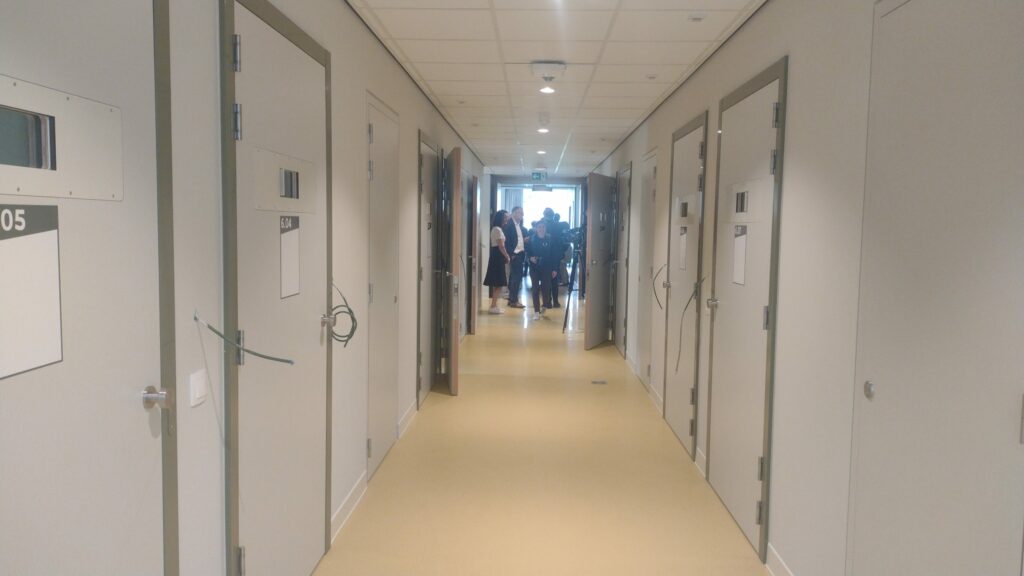
A youth judge in Flanders has ordered custody of an under-18 young offender who robbed a local supermarket twice in a week. Hours later, the teenager is back home because there is nowhere to detain him. The situation, Brussels Youth judge Michèle Ganck warns, is no longer exceptional.
On Monday, Flemish media Het Nieuwsblad reported a robbery at knifepoint at a Proxy Delhaize supermarket in Linkebeek by a 16-year-old boy, on the southern outskirts of Brussels. The incident happened twice in the space of four days.
The teenager was eventually arrested at home, where police found the money he had stolen from the cash register. However, he was released just hours later.
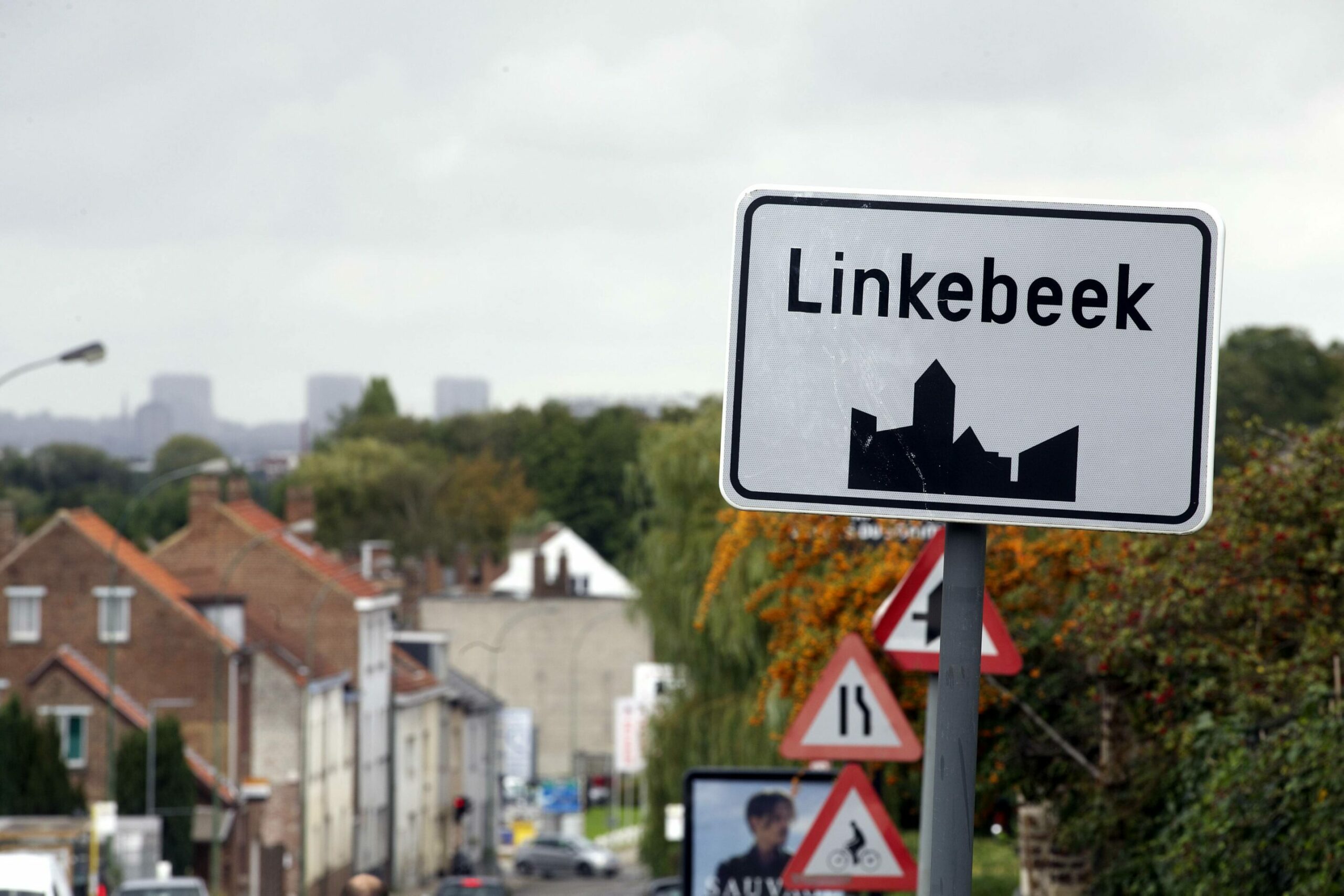
A built-up area sign in Linkebeek. Credit: Belga/ Nicolas Maeterlinck
Similar incidents happened in Brussels when a 15-year-old boy was charged with premeditated assault and battery as well as possession of a weapon by the Brussels Prosecutor's Office.
On that day, the prosecutor referred the case to a youth judge, who decided to place the teenager under the supervision of the judicial protection service, impose 30 hours of community service and prohibit contact with certain peers.
Months later, the same teenager was arrested again for violent gang robbery committed at night, during which the victim was repeatedly kicked and punched.
At that point, more than three months later, supervision by the judicial protection service had still not begun, and the community service sentence had still not started.
The judge requested a place in a public youth protection institution (IPPJ), but due to a lack of available places, the teenager was released.
Judge sounds alarm
Brussels youth judge Michèle Meganck, who has more than two decades of experience in juvenile delinquency, told The Brussels Times that the system "no longer gives magistrates the means to properly carry out their work."
"If I make a decision and that decision is not implemented, then I cannot properly do my job," she regrets.
The magistrate described a system overwhelmed at every level, with long waiting lists for educational support teams and youth protection services.
"In Brussels, there is currently a waiting list of around 100 young people for mobile support teams," the judge said. "If I decide today that a young person needs educational follow-up, it can take several months before that support even begins."
The same applies to placements in IPPJ youth detention centres. "If I decide today that a placement is necessary but there is no space available, then we simply have to wait," the judge added.
According to the magistrate, the consequences can be severe for both society and minors.
"If a young person involved in drug networks or violent delinquency is simply sent back home because there is no place available, they quickly develop a sense of impunity," the judge warned.

Inside the Palais de Justice. Credit: The Brussels Times
What about the victims?
Judge Meganck underlined the frustration felt by victims confronted with repeat offenders being released.
"Of course, it is difficult to hear for victims," the judge said. "But people must also understand that detention is not always the best solution."
When asked if tougher punishment and even trying older teenagers as adults in serious cases, the judge firmly rejected the idea that prison alone could solve youth violence.
"We do not solve violence with violence," the magistrate said. "A prison system does not educate a young person or help them evolve."
Under Belgian law, minors aged 16 to 18 can exceptionally be transferred to the adult criminal justice system through a mechanism known as "dessaisissement" (relinquishment) when youth protection measures are deemed ineffective. However, the judge insisted such cases should remain exceptional.
"Our role is to work with these young people so they understand why they acted, understand the consequences, and rebuild themselves," the magistrate said. "That is not empty rhetoric. It is real work."
Power dynamics
Brussels Public Prosecutor Julien Moinil has warned in a sharply worded statement about the growing tensions between the judiciary and the Francophone Community Government (also known as Wallonia-Brussels Federation).
They follow the Brussels prosecutor challenging claims by Minister for Youth Aid in the French-speaking Community, Valérie Lescrenier (Les Engagés), that alternatives to detention were being implemented effectively.
"The measures are simply not effective," the prosecutor's office said, warning that the absence of follow-up "increases the risk of reoffending, to the detriment of new victims."
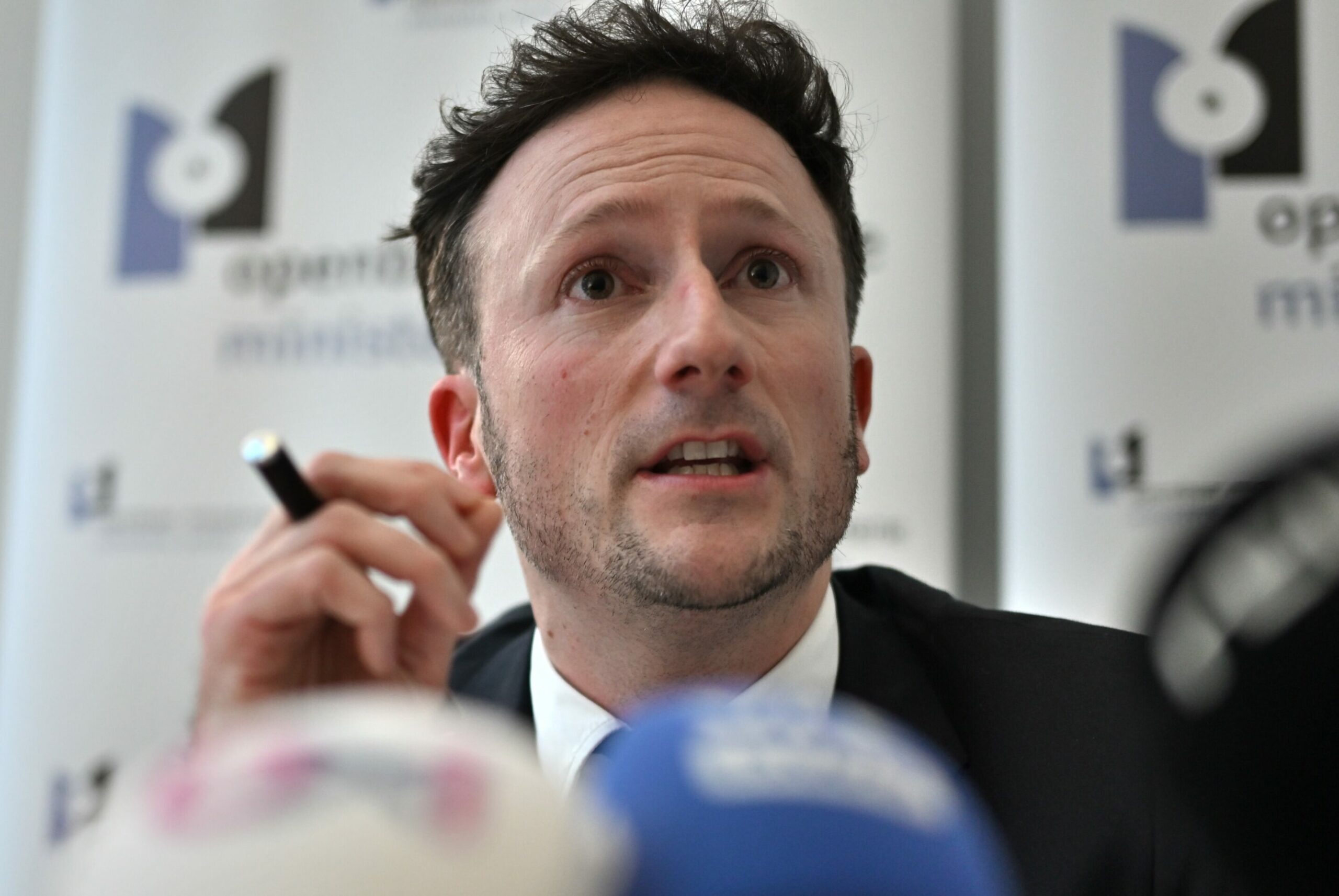
Brussels' public prosecutor Julien Moinil pictured during a press conference by his office following a spate of shootings in the capital : Credit : Belga/Eric Lalmand
Rather than advocating a more punitive approach, Meganck explained that Belgium's youth protection system is suffering from years of underinvestment.
"We decide where we put our money," the judge said, openly criticising political priorities. "Whether we buy planes or invest in education and youth support is a political choice."
The judge explained broader juvenile delinquency is also a byproduct of overcrowded schools, overwhelmed social services and a lack of preventive support for struggling families.
"Society is abandoning its youth," the judge concluded.
