Following several tragic incidents involving civilians, including children, being hit during police car chases in Belgium, Interior Affairs Minister Bernard Quintin (MR) has issued controversial new guidelines for "high-priority driving".
For road safety advocates, the rules do not go far enough.
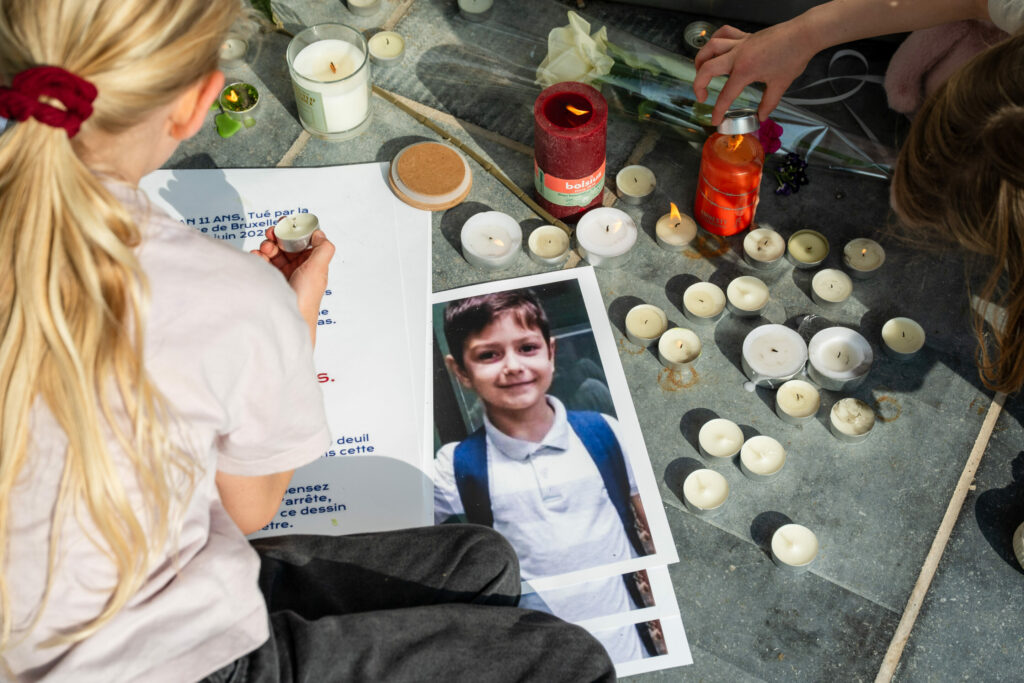
Earlier this month, a six-year-old child crossing the street on a school trip in Antwerp was severely injured after being hit by a police vehicle, which was responding to an emergency call. In June last year, 11-year-old Fabian died after being hit by a police vehicle in the middle of a park in Brussels.
"Before Fabian, there were Adil, Mehdi, Jidel, Sabrina and others. And that is without counting those seriously injured, such as the two girls in Ixelles in November 2025," said Heroes for Zero, a road safety association in Brussels.
For the association, Fabian's death brought a fundamental question back to the fore: "To what extent can we accept the risk created by certain police operations in the name of urgency?"
Necessary step
The organisation is calling on the Federal Government to fully recognise the structural nature of the problem and to undertake ambitious reforms, starting with the monitoring of fatal and serious collisions caused by police vehicles.
"A simple principle that is common across other European countries is that a police intervention cannot, in the name of urgency, endanger those it is supposed to protect," said Eléonore Offermans, project manager at road safety agency Heroes for Zero.
"For us, the protection of life must take precedence over the logic of speed or making an arrest at any cost," she added.
In the United Kingdom, Germany and the Netherlands, police pursuits are structured more around principles of necessity, proportionality and continuous risk assessment.
The organisation stressed that a clearer framework does not prevent the police from doing their job. "More than anything, it makes it possible to better define when a chase is justified and, crucially, when it must be called off."
Heroes for Zero called the upcoming rules on police car chases "a necessary step", but stressed that they were "insufficient" to address a structural problem.
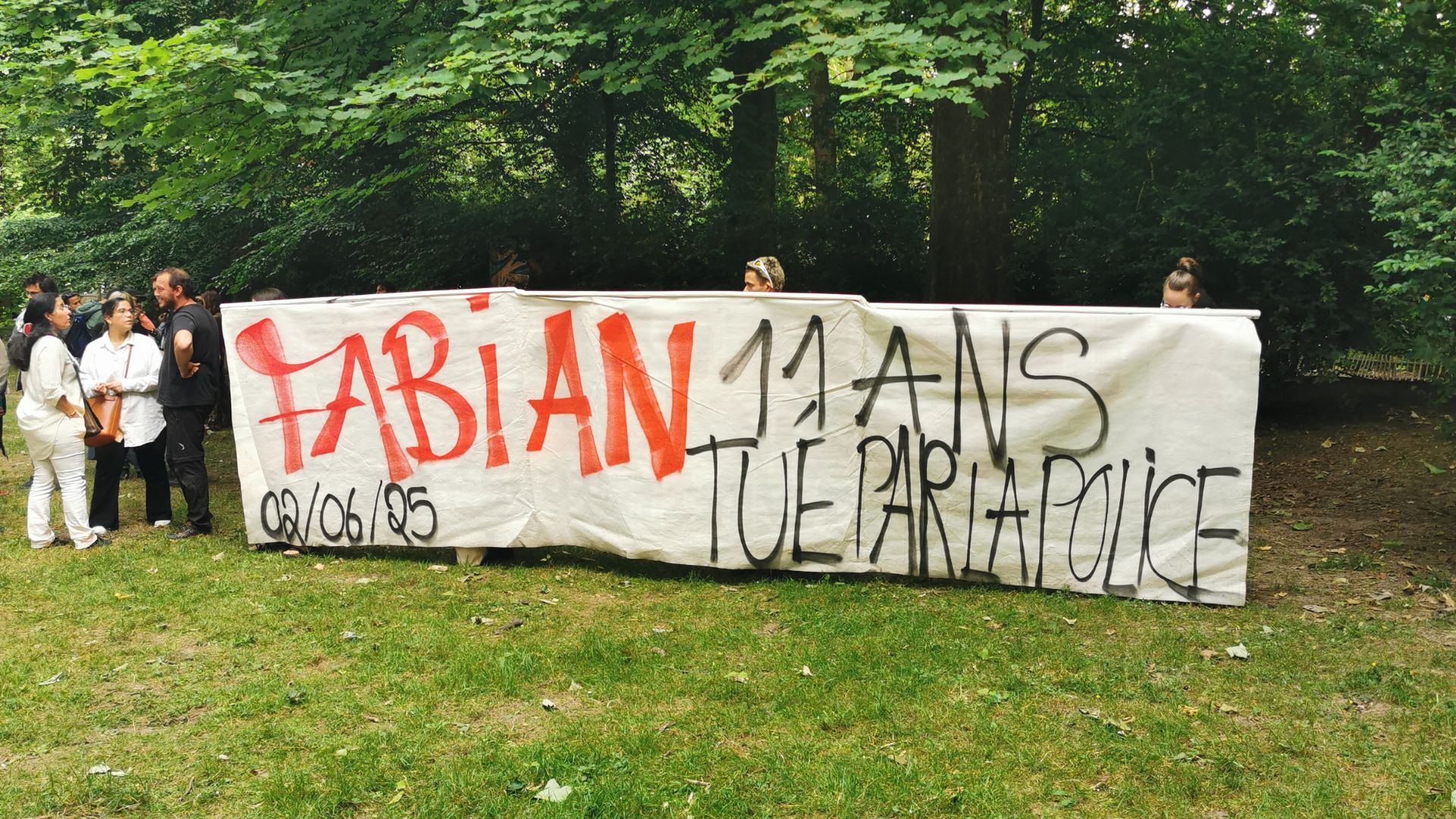
This image shows a sign with 'Fabian, 11 ans, tué par la police' during a silent vigil for 11-year-old Fabian who died after being chased and hit by a police car. Credit: Belga/Mateusz Kukulka
While no changes have been officially adopted, the conversation around the topic marks a significant development, according to the organisation.
"Collisions involving police vehicles, high-speed chases and liability issues related to priority driving have now become central issues in public and police debate," they added.
Therefore, the organisation welcomes the new version of the upcoming changes, which are part of the "MFO-8 circular", aiming to provide a clearer framework for exceptions to ordinary traffic rules: speeding, running red lights, pursuits or driving in sensitive areas.
They are also calling for a clear, harmonised and publicly available legal framework, as well as a precise definition of the concept of a "priority mission".
Additionally, they demand better regulation of speeding and high-speed chases, a harmonisation of practices at the national level, and public monitoring of collisions, serious injuries and fatalities involving police vehicles.
'Out of touch'
Police trade unions have expressed their formal disagreement with the new guidelines. They particularly criticised what they see as "an excessive legal burden" on officers, a lack of training and resources, and a text they consider "out of touch" with the realities on the ground.
For Interior Minister Bernard Quintin (MR), it is the collective duty of political authorities, police leadership, staff members, trade unions, society and citizens to do everything in their power to prevent tragedies.
"At the outset, it should be noted that car chases are a central part of police work, particularly in the fight against drug trafficking and organised crime. They must therefore be able to continue," his cabinet told The Brussels Times.
However, they added that it is "equally clear" that practices must be adapted to the new realities of mobility, with the emergence of e-scooters, e-bikes and other vehicles that are permanently transforming traffic and on-the-ground operations.
Quintin's cabinet stressed that the MFO-8 directive specifically aims to clarify the framework for police chases for all police officers across the country – which corresponds to the requests raised by Heroes For Zero.
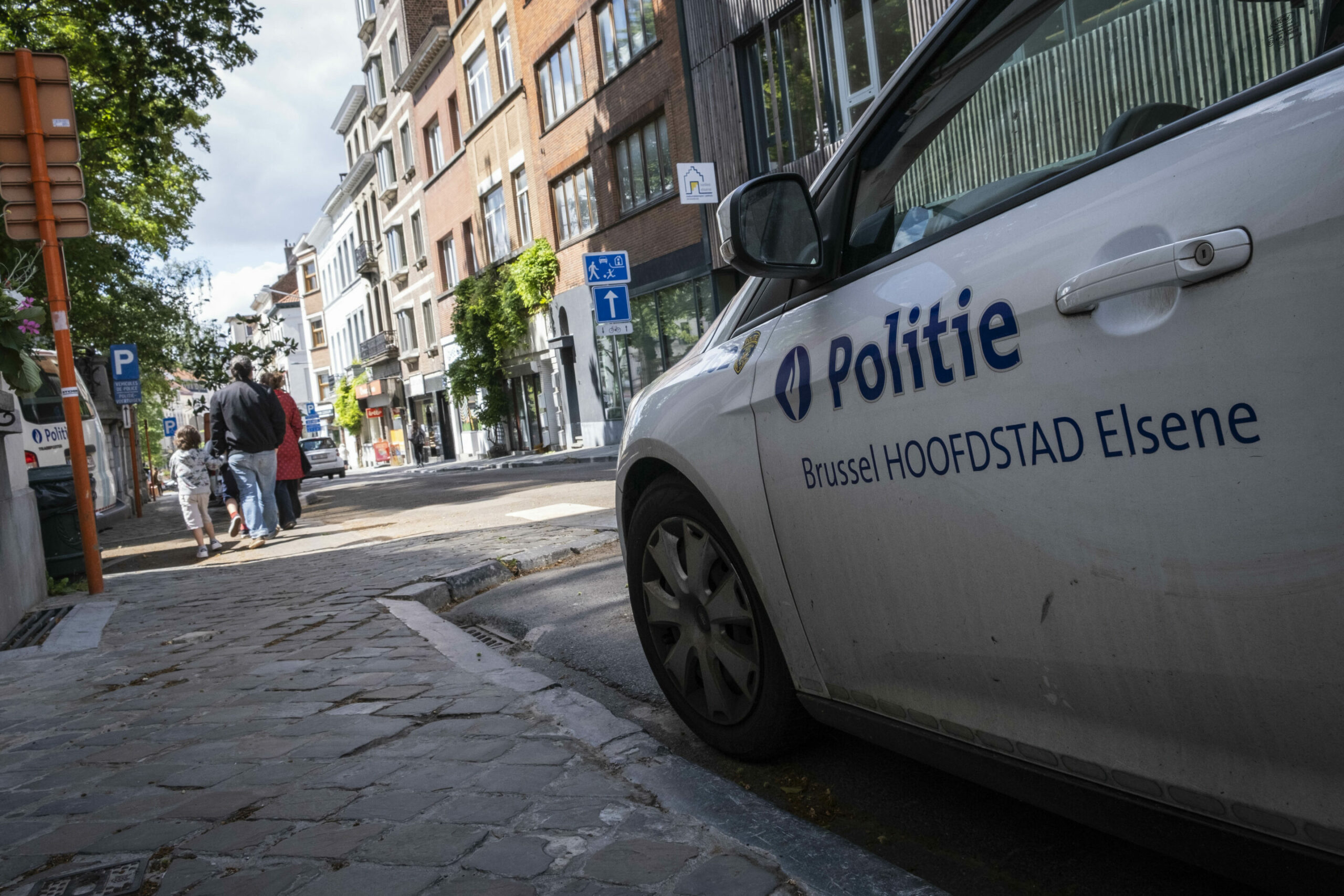
Illustrative image of a police car in Ixelles. Credit: Belga / Paul Henri Verlooy
"Now, police forces will have clearer instructions for assessing the situation – initiating a pursuit, its conduct, and intercepting the offender – and will be able to adapt the operation in real time to ensure it proceeds as effectively as possible," they added.
This, Quintin believes, will enhance "both the effectiveness of our law enforcement services and the safety of all road users".
Additionally, the MFO-8 will further strengthen the compulsory practical training on priority driving to prepare police officers as effectively as possible for situations on the ground.
In the aftermath of accidents, investigations are systematically conducted and proceedings initiated when necessary. Quintin also instructed the Commissioner General to analyse how data is recorded by the various police zones and Federal Police units.
Additionally, he is looking into the feasibility of centralised recording at the national level – something Heroes for Zero requested as well, particularly to accurately measure the scale of these incidents.
"Without transparency, it is impossible to assess the effectiveness of reforms or the true scale of the problem," said Bertrand Heymans, president of Heroes for Zero.
Related News
- Boy, 6, seriously injured after being hit by Antwerp police car
- ‘It could have been my child’: Anger grows after 'gentle' schoolboy killed in police chase
- A 'culture of speed'? Anger mounts after another fatal accident involving a police car
- Fabian death - Schaerbeek becomes first to limit police presence in parks
