
The environmental NGO ClientEarth has filed a human rights complaint against Belgium over its alleged failure to protect its population from health impacts associated with PFAS chemical contamination.
The complaint was filed with the European Committee of Social Rights (ECSR), according to a statement by the NGO on Wednesday.
PFAS are man-made chemicals commonly found in industrial and consumer products, due to their non-stick, waterproof and heat-resistant properties.
Known as "forever chemicals”, PFAS are difficult to break down and can accumulate in the environment and living organisms.
Prolonged exposure to these chemicals has been linked to a number of health conditions, including cancer, hormonal issues, weakened immune systems and decreased fertility.
PFAS contamination in Belgium
ClientEarth argues that Belgium has fallen short of its "legal duty to protect people from harm”.
In 2023, a cross-border investigation and mapping project highlighted Belgium as having the highest levels of known PFAS pollution across Europe.
The “forever chemicals” have been detected across all regions in Belgium, including in tap water, around the 3M factory in Zwijndrecht in Flanders, and near the former Brussels fire extinguisher manufacturer SICLI in Uccle.
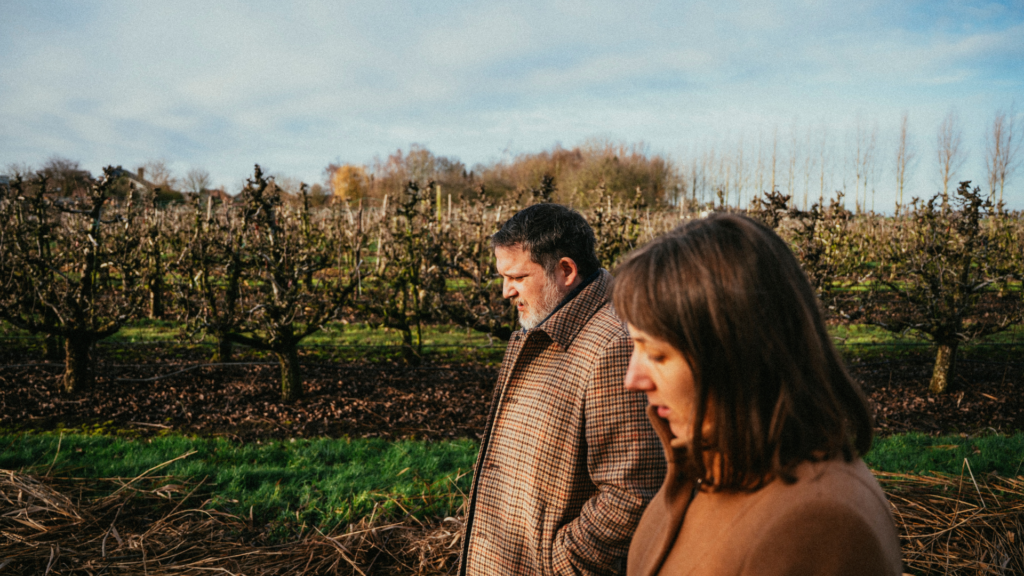
The NGO's complaint includes testimony from residents of PFAS contaminated areas, such as Toon Penen, who lives in Zwijndrecht.

Toon Peten. Credit: Diego Crutzen for ClientEarth
“For a long time, I had no idea that I was living in one of the worst PFAS pollution sites in Europe. I trusted that if there was a serious risk, the authorities would tell us clearly and in time. They did not,” he told EarthClient.
For Penen, the PFAS situation has changed how he feels about his own home. “A garden should be a place where you can relax, grow food, let children play and let your dog run around without thinking about danger. But that feeling is gone,” he said.
The issue has also gained the attention of citizens in Brussels, as PFAS pollution has long been a concern for the citizen collective We Are Nature.Brussels.
'Minimal’ action and delayed responses
In recent years, multiple federal and regional initiatives and measures have been introduced to address and monitor PFAS contamination, including biomonitoring initiatives, clean-up agreements, and planned gradual PFAS phase-outs.
Several types of PFAS have also either been banned or restricted across the EU.
While acknowledging that efforts to tackle the persistent chemicals in Belgium have increased since 2021, ClientEarth's lawyers argue that the state has systematically failed to take timely and appropriate action to protect public health.
“Time and again, evidence of PFAS contamination has emerged, but authorities have responded with inadequate measures or inaction,” said ClientEarth's lawyer Hélène Duguy.
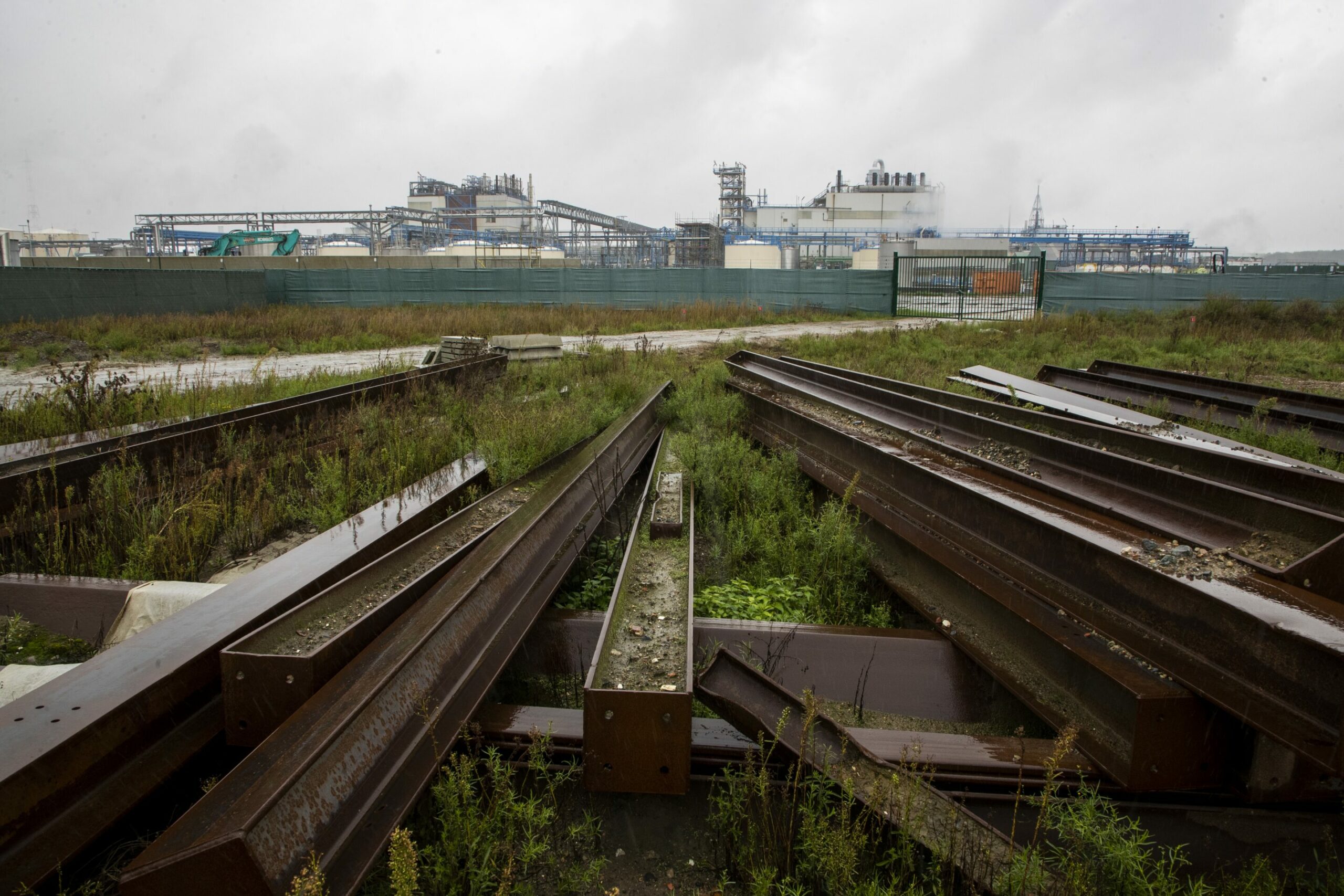
The 3M plant pictured during the pilot installation for effective PFAS purification in Antwerp, Tuesday 27 September 2022. Credit: Belga/Nicolas Maeterlinck
At the federal level, the NGO argues that Belgium has taken "minimal” action, focusing "largely” on research projects and supporting EU-level restrictions yet to be fully adopted.
The group further alleges that the measures surrounding proposed bans and funding mechanisms have stalled.
Speaking to The Brussels Times, Duguy said that a common explanation for Belgium's reportedly insufficient or delayed responses is that the country is waiting for the upcoming EU regulation before it can act. In the NGO's view, this is not a "valid reason”.
While the Federal Climate Minister Jean-Luc Crucke (Les Engagés) could not immediately comment on the specifics of the complaint, Crucke's spokesperson noted that in addition to established measures, a federal PFAS strategy was already presented and approved.
“Yes, Belgium is facing serious contamination, much of it inherited from the past. Yes, the public response still needs to be strengthened. But no, it is not accurate to say that nothing is being done,” the spokesperson added.
Disputed regional action
Across the regions, the NGO argues that the issues vary due to the different approaches and actions taken by the local authorities.
In Flanders, the group argues that efforts have remained too focused on contamination "hotspots” rather than the widespread pollution, while in Wallonia, the group points to delayed public acknowledgement and reaction to known contamination.
In Brussels, the NGO highlighted a lack of biomonitoring and a reliance on "reactive” responses and measures.
Among the list of shortcomings the NGO reportedly found in the three regions are a reliance on further studies rather than concrete action, delayed responses, a lack of binding obligations and insufficient public communications.
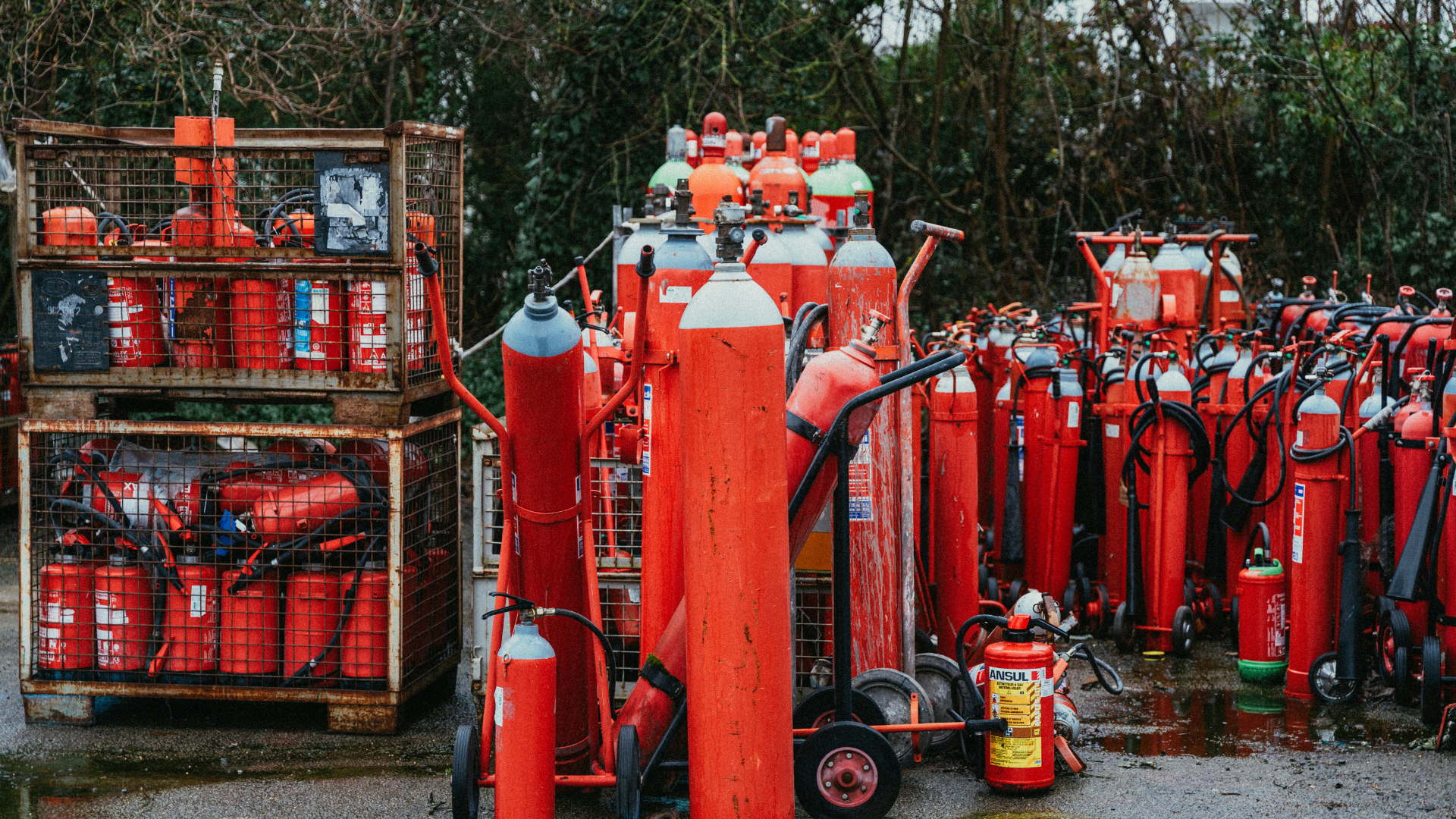
PFAS is often found in fire extinguishers. Credit: Diego Crutzen for ClientEarth
A spokesperson for the agency Brussels Environment denied that the regional response is limited to reactive measures, but rather "structured measures” that have been progressively "strengthened".
They added that the region takes the issue "very seriously” and has been taking action since 2019 to understand and manage the health and environmental PFAS-associated risks.
Within the Walloon administration, PFAS contamination has been monitored or investigated as far back as 2015, with several measures and plans introduced since, according to a spokesperson for the governmental body Wallonie SPW.
“It is always easy to rewrite history, and one can always, in hindsight, identify actions that could have been taken,” the spokesperson said. “However, it is unfair to say that the Walloon Region was slow to react or failed to take the necessary steps to gain a comprehensive overview of the PFAS situation within its territory.”
Beyond Belgium and the environment
ClientEarth's Duguy noted that the issues the NGO outlines in its complaint are not unique to Belgium.
“It's something that we've seen first of all across chemicals legislation in general. We really see a pattern of early warnings not being followed and action being super delayed among PFAS. We see this in every state, starting with the US and in Europe," she told The Brussels Times.
The environmental group hopes the details of the complaint trigger a change in Belgium and convince other countries to take action.
Additionally, Duguy noted that the complaint also serves to give a "human face” to the PFAS issue. “It's not just an environmental contamination problem that's extremely serious,” she added.
Related News
- New EU water rules to tackle PFAS and microplastics but allow trade-offs
- PFAS contamination detected on former garage site in Pelt
- Tap water, eggs linked to high PFAS levels
- Biggest Belgian textile producer suspected of discharging PFAS contaminated wastewater
The complaint filed with the ECSR is set to face a preliminary screening process before the substance of the alleged violations is considered. A decision on this is expected in 2027.
The NGO expects a final decision on the complaint within two to three years.
The Brussels Times contacted the Flemish Minister responsible for public health, Caroline Gennez (Vooruit), the Flemish Environment Minister Jo Brouns (CD&V), and the Brussels State Secretary in charge of the environment, Ans Persoons (Vooruit), for comment.
