
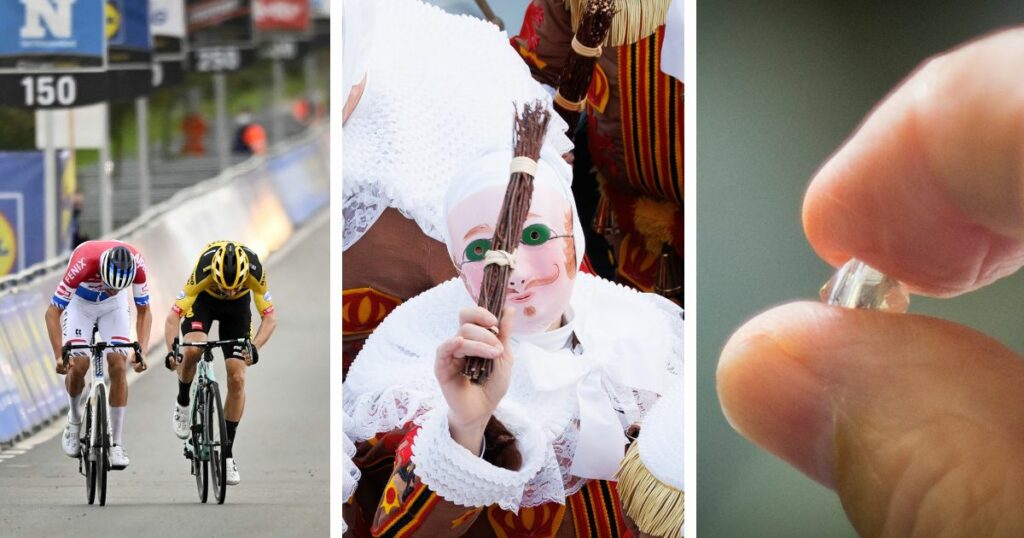
Brussels might be the official administrative capital of Belgium, but it is far from the only capital in the country.
Hidden within the Walloon hills and Flemish orchards are several towns that claim the unofficial title of capital. Some go back centuries, while others are more recent inventions to stand out from the crowd, but they all give their town a distinct identity.
Here are some of Belgium's unofficial capitals.
The diamond capital
Roughly 80% of the global reserve of rough diamonds and 50% of the cut diamonds have passed through Antwerp.
Antwerp claims to be several capitals: the capital of fashion, arts and culture, Flanders and – when feeling particularly daring – the world. But the glitziest title has to be that of the diamond capital.
The diamond trade in the city was established in 1456, when Lodewyk van Bercken invented a machine to polish the gemstones (or so the local legend goes).
Today, the diamond district in Antwerp has a yearly turnover of €46 billion – roughly the GDP of one of the Baltic states.
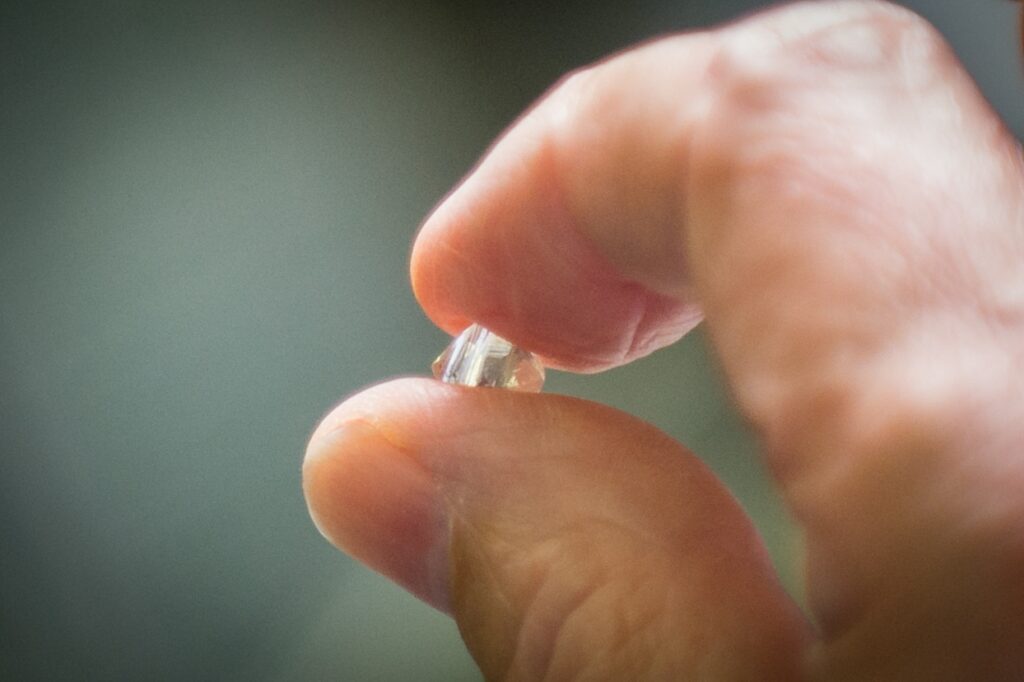
Illustrative image. Credit: Belga/Luc Claessen
The beer capital
Leuven and beer are as synonymous as Leuven and students. Or its students and beer.
The city is home to the headquarters of AB Inbev, the world's largest brewer, renowned for brands such as Stella Artois, Budweiser, Corona and Beck's. The original Stella Artois was historically brewed exclusively in Leuven, but it has recently started exporting local yeast to breweries in the United States and Brazil.
Fans of smaller, artisanal breweries have their pick in Leuven. There's the cycling-inspired De Coureur for fans of microbrews, Braxatorium Parcentis in the Park Abbey, where priests are reinstating a century-old brewing tradition, or Hof ten Dormaal, where the Janssens family run the entire beer production process, from field to glass.
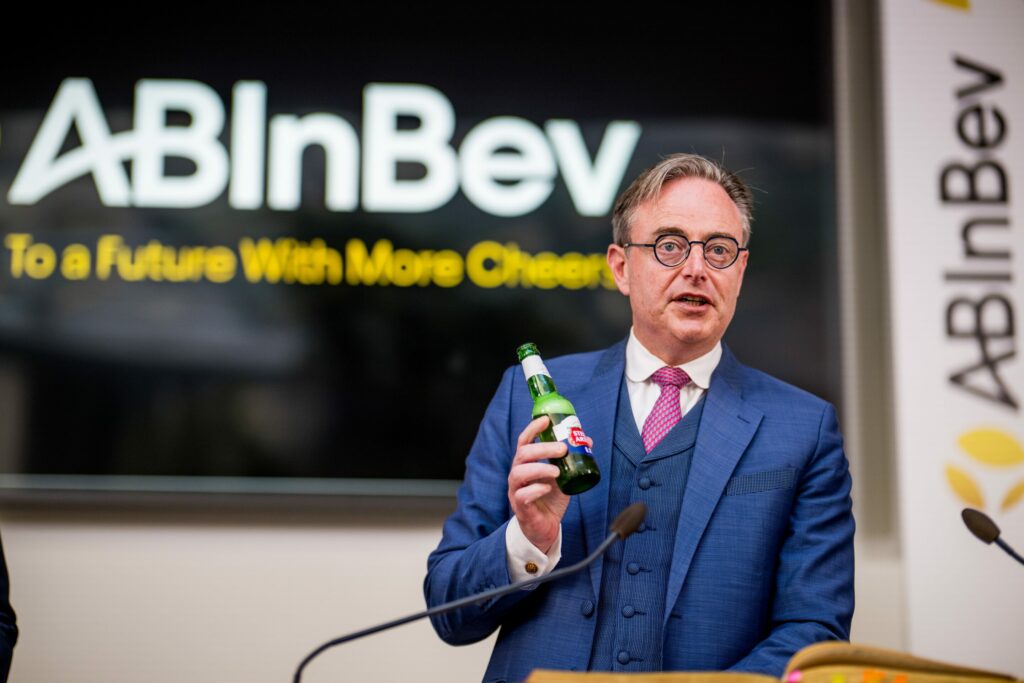
Prime Minister Bart De Wever cracking open a cold one at AB Inbev's offices. Credit: Belga/Jasper Jacobs
The fruit capital
The Hasbaye, or Haspengouw, is the historical heartland of Belgian agriculture. Romans cultivated the region to grow food for the nearby garrison cities – traditions that have endured to this day.
At the heart of Hasbaye lies Sint-Truiden, the self-proclaimed fruit capital of Belgium. The countryside around the city is covered in apple and pear orchards, drawing crowds for its blossom season in spring.
The city and its surroundings are home to many local farm shops and fruit businesses.
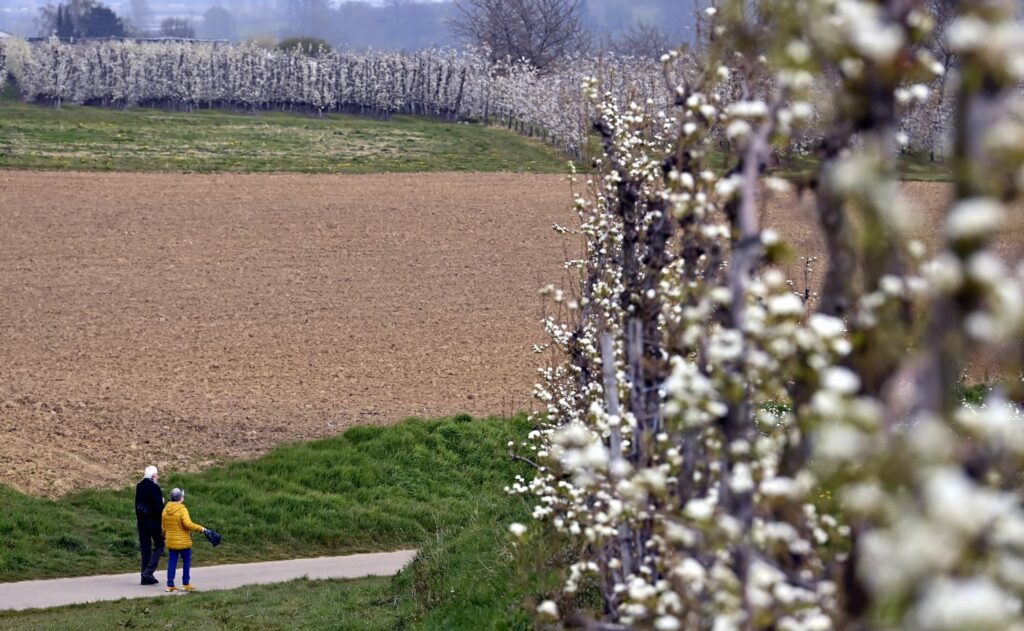
Illustration shows tourists visiting a field of blossoming fruit trees, in Sint-Truiden. Credit: Belga/Eric Lalmand
The carnival capitals
There are two main types of carnival in Belgium: the traditional folkloric carnival, where centuries-old costumes and traditions are honoured, and the satirical street carnival, where political and social figures are mocked and ridiculed.
Aalst, locally pronounced as Oilsjt, hosts a carnival every February. The processions through the city are known for their sharp, humorous and often controversial criticism of political and public figures.
Aalst used to be recognised as UNESCO World Heritage. In 2019, however, it was stripped of its title as UNESCO stated that "racism and discrimination do not belong on the list of World Heritage", following a series of incidents of floats portraying Jewish caricatures. The city was happy to be removed from the list, as it claimed UNESCO was impeding its freedom of expression.
Binche sticks closer to historic folklore. The main attraction of its processions is the Gilles, masked figures who parade through the city's streets on Shrove Tuesday. Becoming a Gilles is inherited through family, and they have to abide by strict rules on their costumes and behaviour.
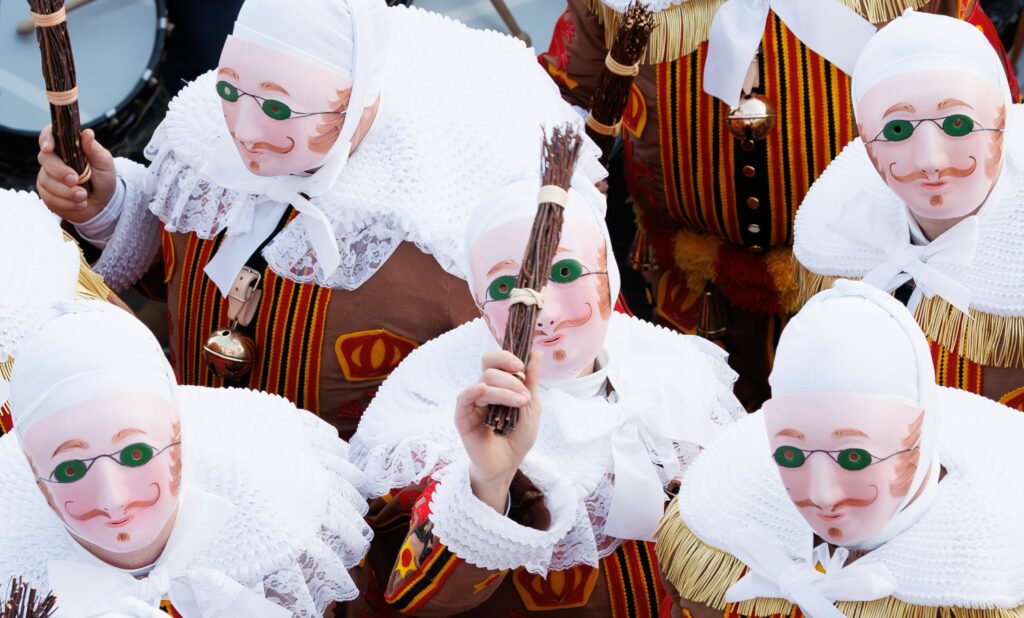
Masked Gilles de Binche pictured during the carnival. Credit: Belga / Benoit Doppagne
The capital of giants
Ath may seem like your typical Walloon town; the remnants of a medieval castle tower over the houses, a Gallo-Roman house highlights archaeological findings, and there's a museum dedicated to local quarries.
But Ath breaks the mould of a Walloon village.
Every fourth weekend of August, the city hosts a Ducasse, a procession and cultural festival highlighted by the dance of the giants.
The giant tradition is not unique to Ath: many places in Belgium and northern France have processions featuring giants. But Ath dwarfs them in comparison. Ath is home to a whole family of giants, and each has its own distinct characteristics and rituals. During the procession, the giants walk around, interact, dance with each other, and get married.
You can visit them year-round in the House of Giants, which regularly hosts expositions on guest giants from the region.
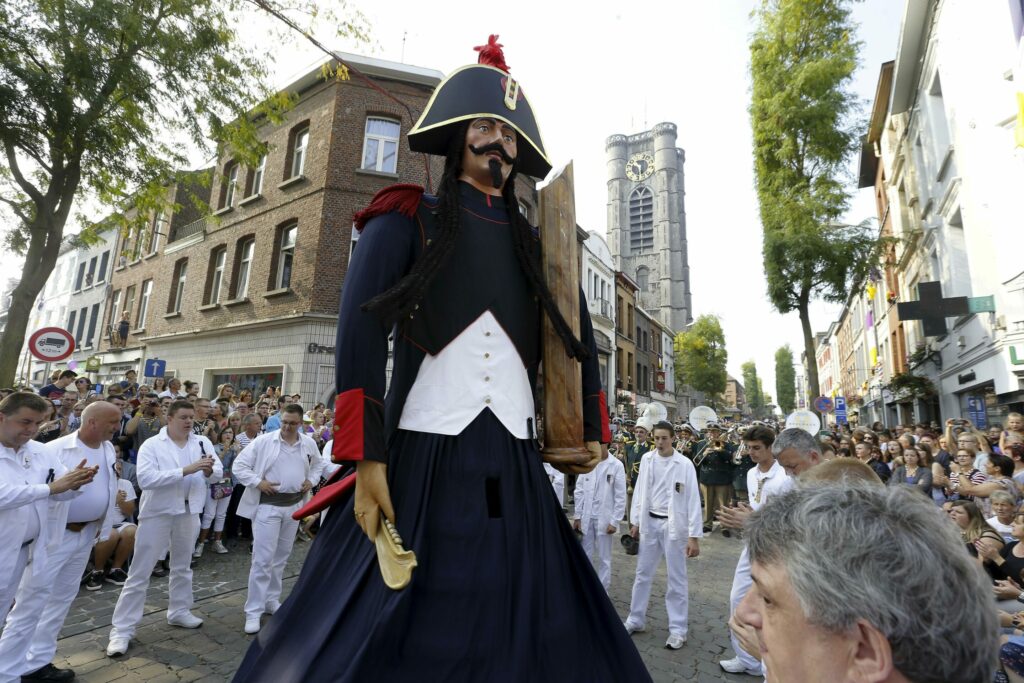
The Ducasse festivities in Ath. Credit: Belga/Nicolas Maeterlinck
The capital of cycling
The capital for every cycling-loving Belgian is the city of Oudenaarde.
Hidden between the cobblestone-covered hills of the Flemish Ardennes, it hosts the finish of the Tour of Flanders (Ronde van Vlaanderen), one of only two Belgian cycling 'Monuments' since 2012.
While moving the finish to Oudenaarde has been an overwhelming success, it made it impossible to include the popular climb Muur van Geraardsbergen in the race, which remains a sore point for some fans to this day.
The city hosts a museum dedicated to the history of the race and has turned cyclo-tourism into its main attraction. You can ride legendary cobble hills like the Oude Kwaremont, Paterberg, and Koppenberg through routes starting in the city centre.
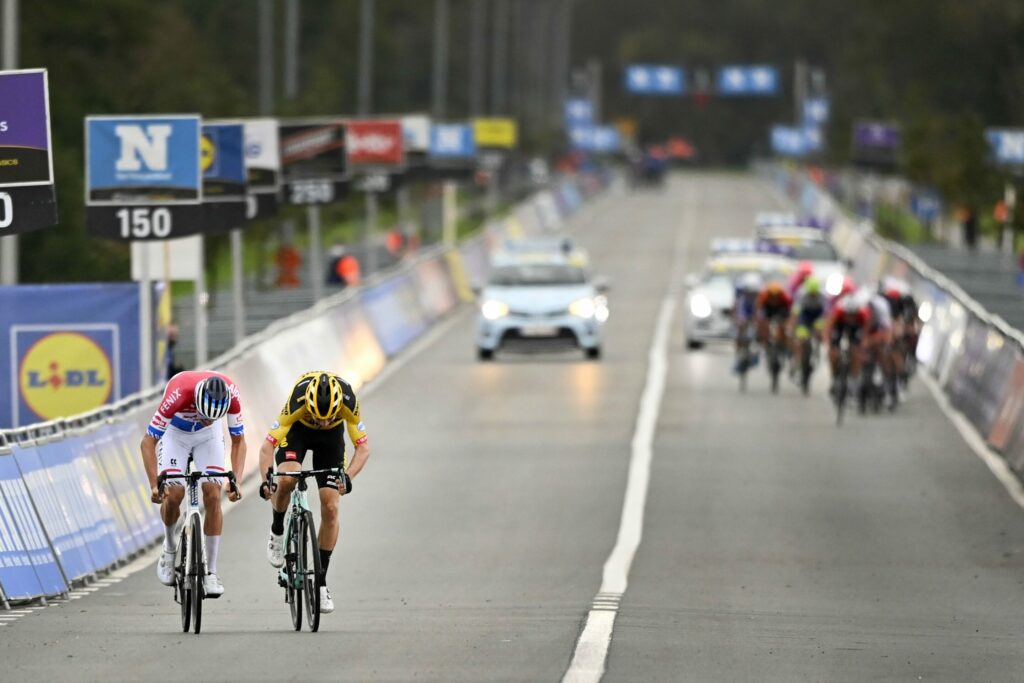
Mathieu van der Poel and Wout Van Aert during the final of the Ronde van Vlaanderen 2020. Credit: Balge/Eric Lalmand
The capital of snails
When thinking of a dish of snails, France and its escargots usually come to mind. But Belgium has its own snail capital, and it rivals our French neighbours.
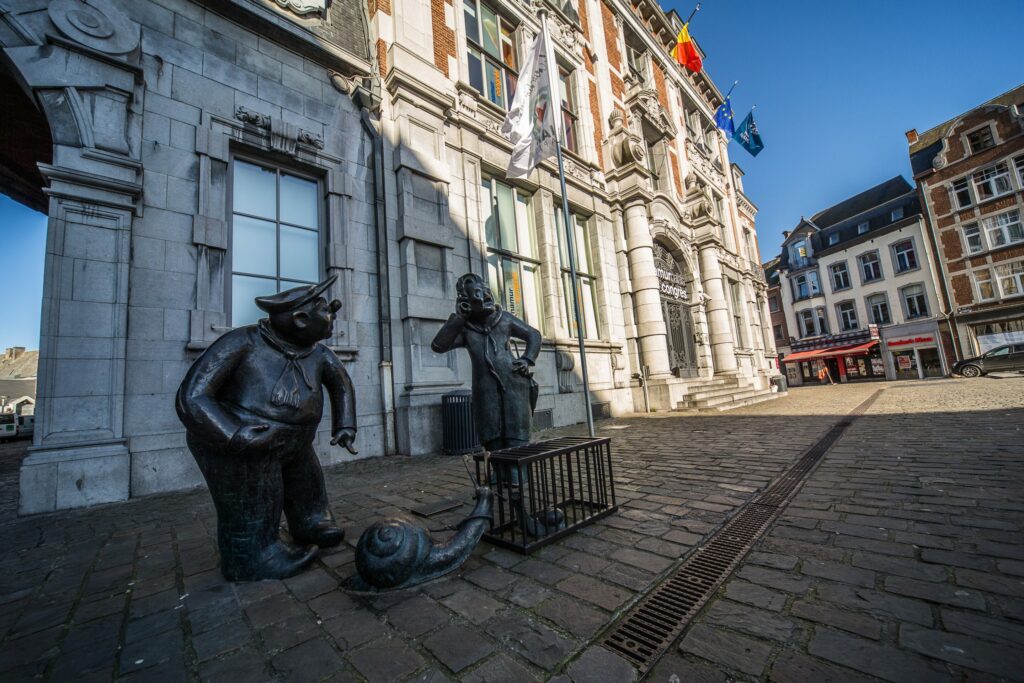
A statue in Namur depicting a snail. Credit: Belga/Siska Gremmelprez
In the picturesque Walloon city of Namur, you can find the Petit Gris de Namur, or the Small Grey snail of Namur, on many menus.
As the name suggests, it is generally smaller than French escargots. But the mollusc has a milder taste and a smoother texture – perfect for anyone interested in trying snails for the first time, but concerned that the French version might be too slimy.
Namur has adopted the snail as a guardian of the city, where snail statues, local folklore and imagery can all be found on a visit. And while it has given Namur a reputation for taking things slowly, it is locally embraced as a badge of honour.
