Despite fluctuating energy prices, EU countries appear disinterested in increasing energy independence; Belgium continues to import Russian energy at a high rate.
Barely a fifth of EU cash made available four years ago to phase out Russian fossil fuel use in the EU, has been invested by Member States, according to figures released by the European Court of Auditors (ECA) on Wednesday.
Only €54.3 billion (out of €300 billion) has been committed by EU countries as part of the REPowerEU programme.
"Four years after its launch, REPowerEU has stalled, even though several hundred billion euros have been made available," said Mihails Kozlovs, the ECA Member in charge of the report.
REPowerEU aimed to substitute Russian fossil fuel use for clean energy, improve grid connections between member states and diversify energy imports. Since its inception, the price of fossil fuels have also seen drastic swings following the war in Iran.
Belgium still a strong importer of Russian oil and gas
Imports of Russian oil and gas to the EU has declined since 2021, falling from 153,225.5 million cubic metres (m³) to 37,843.3 million m³ across the EU as a whole, according to the ECA report.
However, the fall in imports has little to do with REPowerEU. Given the lack of investment, "the drop in Russian energy imports can also be attributed to other factors, such as a series of mild winters and lower consumption due to high energy prices," the ECA noted.
In Belgium, the figures have gone in the opposite direction with imports increasing from 2,404.9 million m³ in 2021 to 3,444.7 million m³ in 2024 after a spike of 4,018.8 million m³ in 2023.
More recently in July 2026, Belgium relied entirely on Russian LNG imports as the war in Iran caused severe disruption to supplies. Much of this gas is piped onwards to other EU countries.
EU countries failing to turn energy ambition into reality
Progress in meeting REPowerEU objectives have largely stalled because of a lack of interest by the EU's Member States, according to the ECA.
Countries needed to update their national energy and climate plans in order to bid for a share of the €300 billion available. However, according to the report, "most did not include any specific actions or targets."
Either the investment ambition was overblown, or EU countries are unable to convert their ambition into action, according to the ECA.
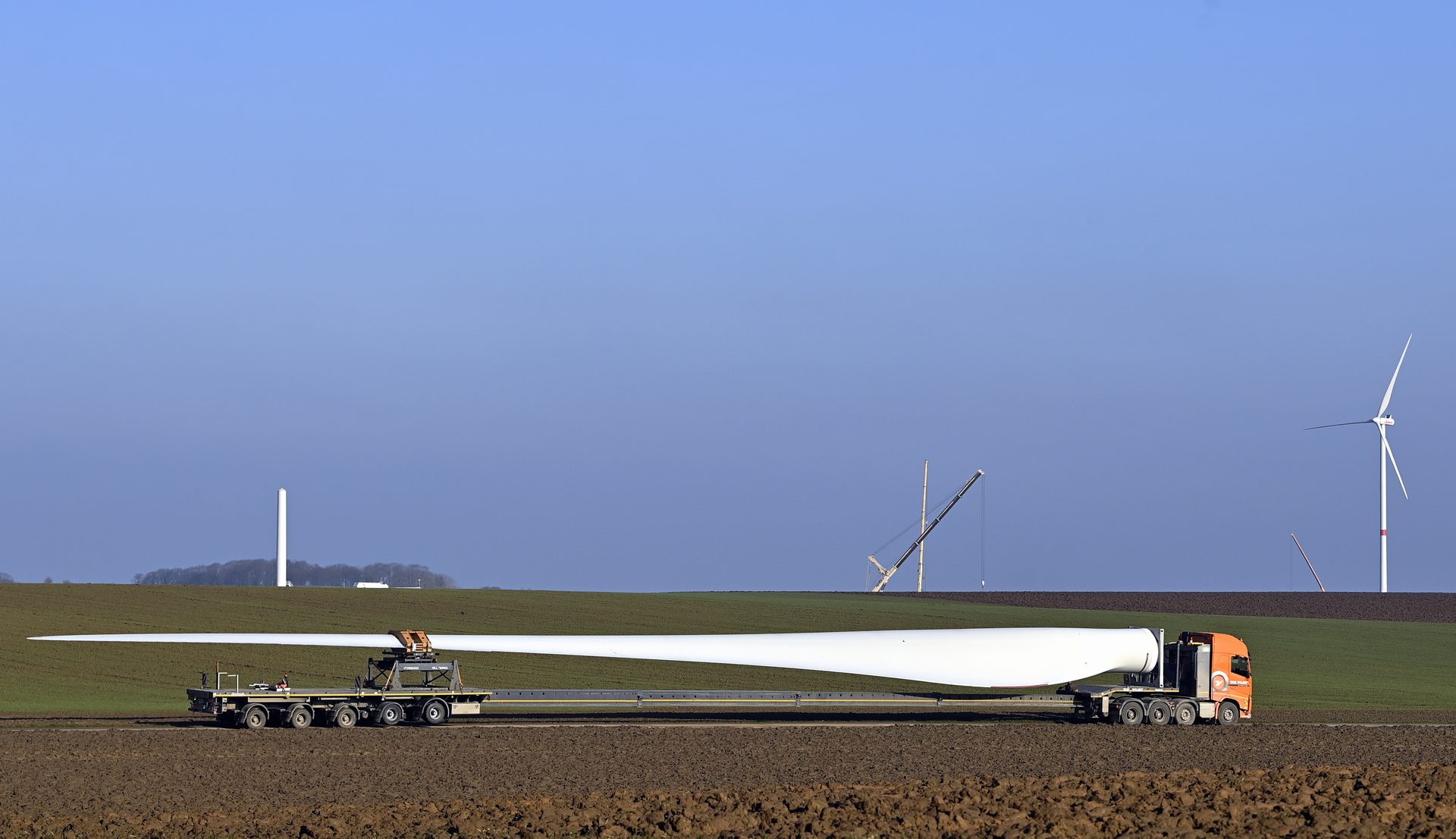
The result is that, for some REPowerEU objectives, such as increasing renewables capacity by 103 GW or boosting links between national power grids, progress has been "negligible".
"We must learn the right lessons now, as the new geopolitical tensions and their impact on energy markets underscore the need to accelerate diversification and prevent future over-reliance on a single supplier. That is why we are calling for coordinated efforts to re-energise the plan," Kozlovs explained.
A full ban on Russian liquefied natural gas (LNG) imports across the EU starts in January 2027, which may nudge more countries to boost their investments.
