Don’t walk under a ladder, don’t let a black cat cross your path, don’t spill salt, and avoid making big decisions on Friday the 13th. The world is filled with superstitions, Belgium being no exception, with its own collection of strange traditions, mythical creatures and age-old beliefs that have survived for centuries.
Some promise good fortune, others offer a cure for what ails you, while a few are best avoided altogether.
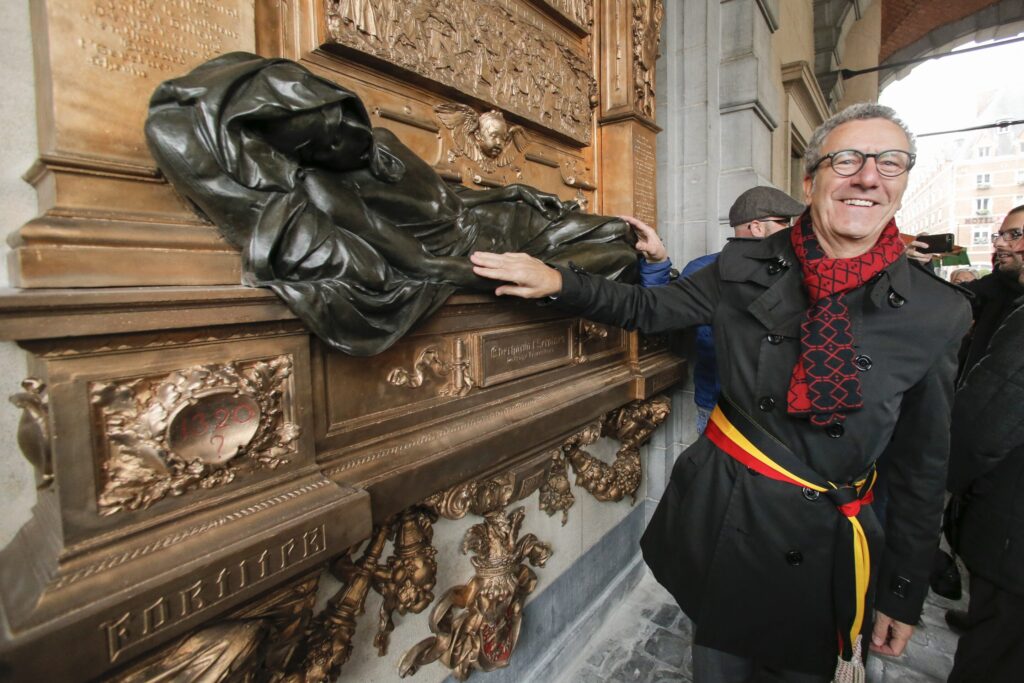
The right arm of Everard t’Serclaes
In need of some good luck? There's only one place to go in Brussels: the statue of Everard t’Serclaes near the Grand Place.
t’Serclaes was a legendary figure in the Brabant Succession War against the Flemish Count Lodewijk van Male. During the night of 24 October 1356, he climbed the walls of Flemish-occupied Brussels and tore down the Flemish flag from city hall, replacing it with the Brabant standard.
Upon seeing the colours of Brabant the next morning, the city revolted against the occupiers, ousting the Flemish soldiers from their barracks.
t’Serclaes would go on to serve as alderman five times, and was named lord of Ternat. In 1388, he was murdered by a rival lord in a dispute over the sale of lands near Brussels.
A monument commemorating his death was placed near the Grand Place in 1902, with locals believing that rubbing his right arm would grant you a wish and allow you to return to Brussels.
Nails in nail trees
Across Flanders, Wallonia and Northern France, several trees are said to have healing powers.
The so-called nail trees are said to heal persistent ailments like toothaches and skin diseases. As a last resort, sick people would take a nail and drive it into the bark of the tree while performing a ritual prayer. Sometimes people would nail a piece of cloth that touched the body part affected by the illness onto the tree, creating rag trees.
The pagan practice was tolerated under Christianity, and occasionally even co-opted as chapels were placed next to the trees, allowing people to drive nails into the wood of the chapel.
While the practice is mostly abandoned today, around sixty nail trees still carry centuries' worth of nails in their bark.
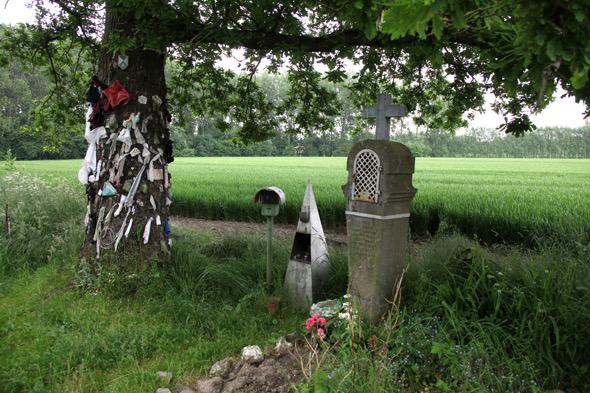
The Saint Anthony Oak of Herchies. Credit: Museum of Walloon Life
Creature in the dark
People in Flanders are warned against going out alone after dark, as the night is dark and full of terrors.
Hidden in dark holes and trees in the forests lives the shapeshifting demon Kludde. Some tales describe him as a black dog, walking on its hind legs; others as a man covered in hairy pelts. He can appear as a black cat, luring passersby, or as a dark bird, flying over fields and farms.
When the sun sets, Kludde leaves his hiding place and silently stalks the lands in Antwerp, East Flanders and Flemish Brabant.
When you walk alone at night, you might just hear the clinking sounds of the chain he wears on his left ankle. But when you hear that sound, it is too late. Kludde will jump on your shoulders and force you to carry him around until the sun rises.
Helpful Nutons
In parts of Wallonia, people believe a small folk live in the rock crevices of the Ardennes limestone. The gnome-like Nutons are said to be skilled blacksmiths and will repair broken tools in exchange for bread, pancakes or beer.
The history of the Nutons dates back to the Gallo-Roman period, when they were called dii minores, or nature spirits. Over time, the nature spirits transformed into spirits of the night, leading to their name changing to Nutons.
While mostly known as helpful creatures, Nutons have a reputation for challenging authority and trying to tie shoelaces together when people leave trash behind in their forests. Ungrateful visitors to their forests are said to be cursed, as Nutons threaten, “Flower by flower, I made you rich. Leaf by leaf, I will tear you down.”
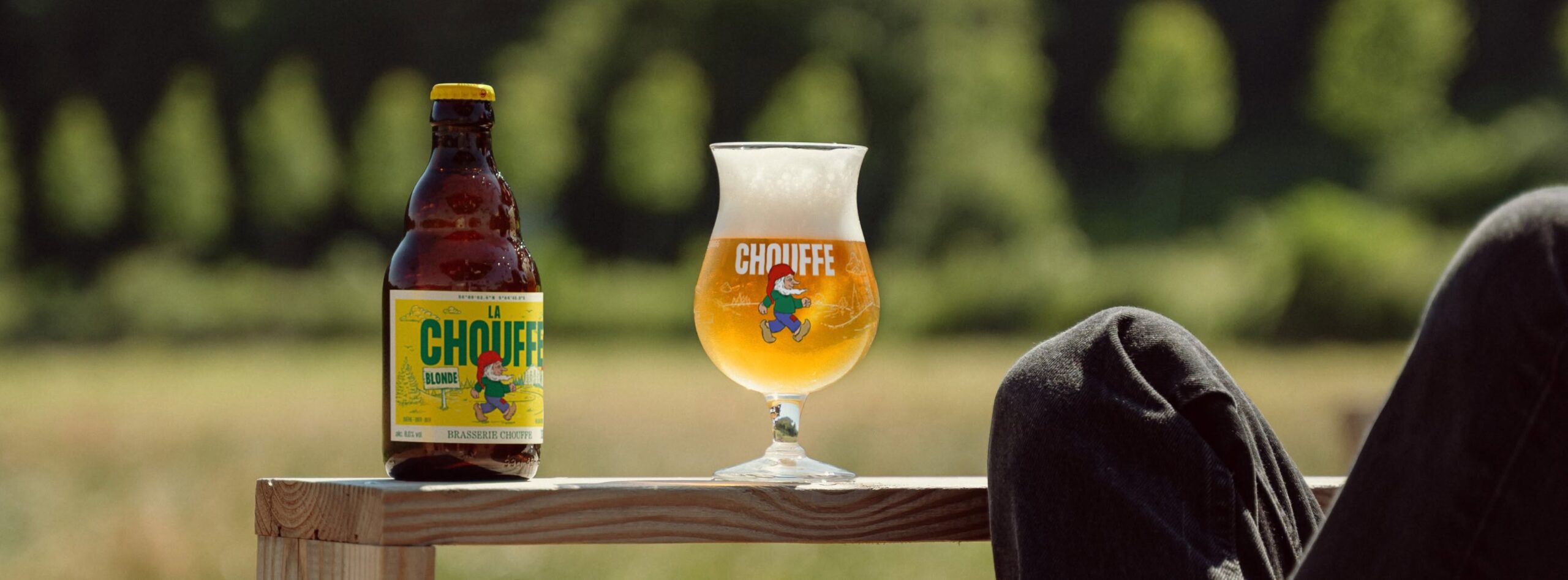
The most famous Nuton is Marcel, the mascot of the popular beer brand La Chouffe.