
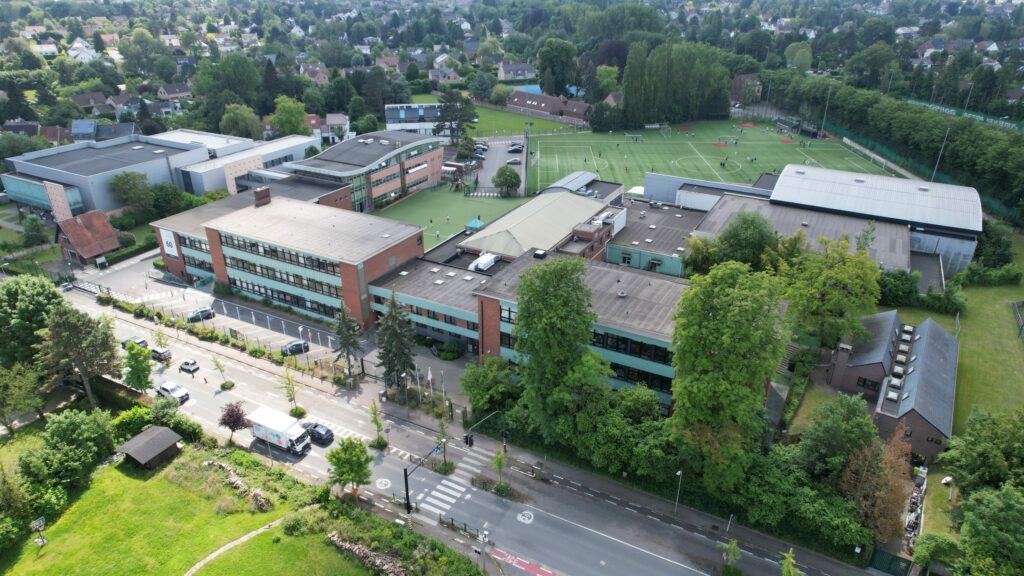
Just outside of Brussels, children from expat families in and around the Belgian capital have been getting world-class education at the St. John's International School in Waterloo for 60 years. But now, Belgian families want in.
This year, St. John's International Baccalaureate Diploma Programme (IBDP) was recognised as the best in Belgium, thanks in part to exceptional results in STEM disciplines, but also in theatre. The school is primarily attended by students from expat families, but is now gaining popularity among Belgian families as well.
"Currently, around 21% of our pupils are 'fully' Belgian, but there are others who have at least one Belgian parent. However, the large majority of pupils still come from expat families," Kevin Foyle, Principal at St. John's International School, tells The Brussels Times.
According to him, Belgian families want to give their children a competitive advantage by sending them to St. John's. "We go through to the International Baccalaureate diploma – which is the best preparation for university – and we serve universities all over the world."
The world, their oyster
While pupils in regular Belgian schools are usually looking at universities in Belgium, France or the Netherlands, those who graduate from St. John's go to these too, as well as leading universities all over the world – from Oxford, King's College London and Bocconi to NYU, McGill and Columbia.
"The world will become their oyster," Foyle says.
In 2025, St. John's achieved the highest IBDP results in Belgium – with an average score of 36 points (nearly six points above the world average of 30.4) and a top individual score of 43 (out of 45).
Designed for students aged 16 to 19, the IBDP is a globally respected, academically rigorous programme – clearly recognised by top universities worldwide.
When we ask Foyle what the secret is, he is quick to say it all comes down to three promises the school makes.
"First and foremost, the community is a wonderfully warm and engaging environment. We want the children to be happy, and we also want them to be successful," he says. "So the second promise that we make is to give them an outstanding academic education."
This, Foyle says, all comes down to the quality of the staff: they are the ones who inspire the pupils, go the extra mile in helping them overcome bumps in the road, and bring out their passion to fulfil their academic potential.
"But we are not just satisfied with developing students from an academic perspective," he stresses. "Children come with all sorts of skills. And in this modern world, it is important that they become all-rounders and have social skills developed through playing sport, being involved in a production or being involved in music making."
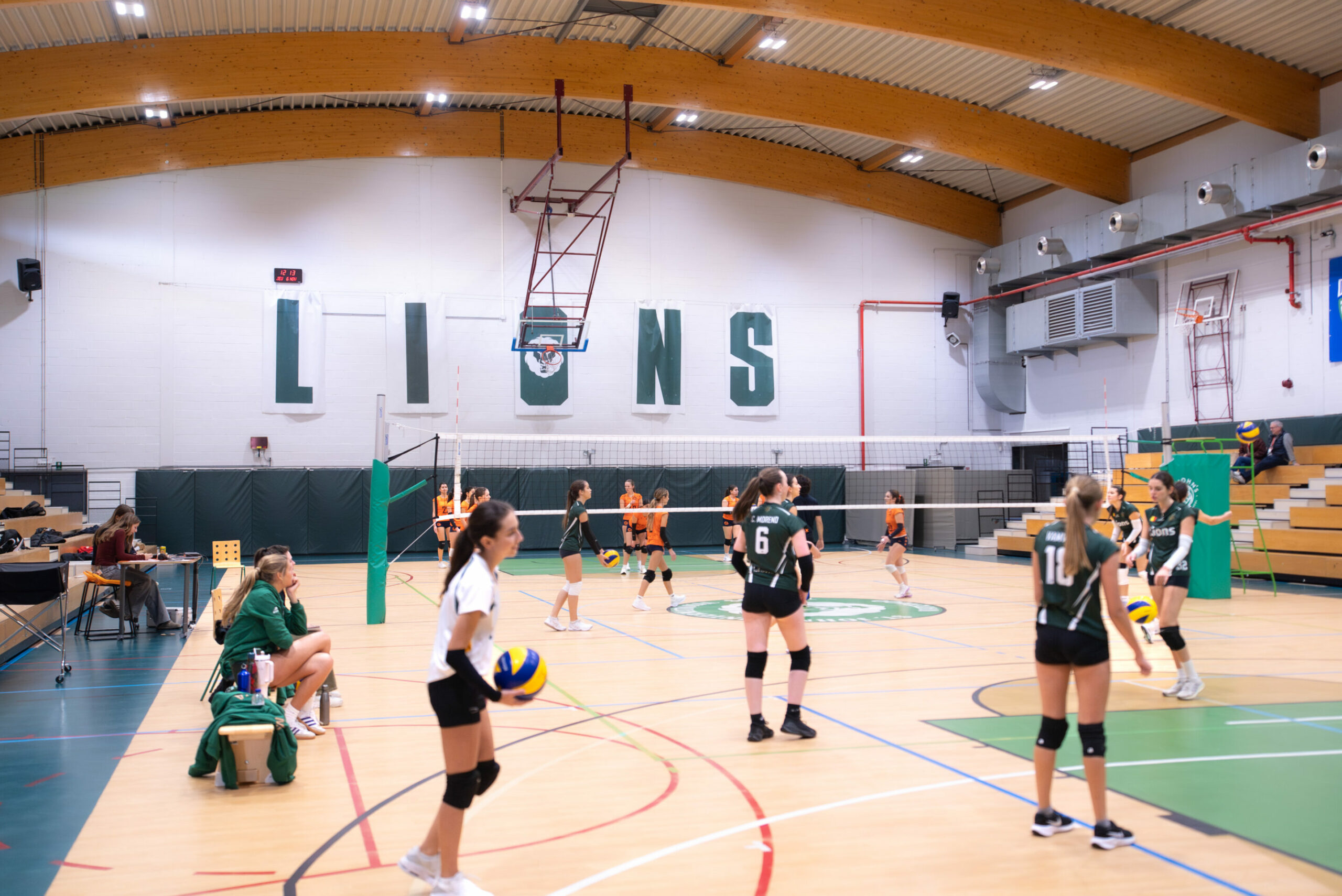
Sports hall at St. John's International School in Waterloo. Credit: St. John's
St. John's has a large variety of extracurricular activities, from academic ones (such as chess or extra study) to contemporary dance and music, as well as all types of sports.
"We are seeking to allow the kids to really flourish and develop. They should be happy first, but then they should explore everything they can, so they will discover passions that will allow them to go out and become successful, happy and accomplished 21st-century citizens," Foyle explains. "That's the mission."
On the academic side, the International Baccalaureate Diploma Programme (IBDP) allows students to choose subjects from six subject groups: studies in language and literature, language acquisition, individuals and societies, sciences, mathematics, and the arts.
Students will take some subjects at a higher level and some at a standard level. Higher-level subjects require more in-depth study and greater academic rigour than standard-level subjects.
The Diploma Programme is preceded by the IB's Primary Years Programme (PYP) and Middle Years Programme (MYP), which St. John’s also offers.
Supporting and inspiring
What started in 1964 as a school to serve a mainly American population has now developed into a true international school, with 68 nationalities among 410 students – which is part of a global network of over 6,000 authorised IB World Schools.
"What truly sets St. John's apart is that we know each student as an individual. When you combine academic rigour with genuine personal support, students do not just meet expectations, they exceed them," he stressed.
This immediately becomes clear when walking across the campus: Foyle seems to know all of his 410 pupils personally. It goes beyond their names and what grades they are in; he casually asks them about certain tests they took or congratulates them on winning a football game.
The school also has one of the most advanced school arts facilities in Belgium, the theatre results also stand out: students are encouraged to take centre stage, developing confidence and creativity by participating in high-quality productions – such as Les Misérables – as part of their academic journey.
"It is all about community, we want to ensure that every child feels truly seen, supported, and inspired to discover who they are and who they want to become," Foyle says.
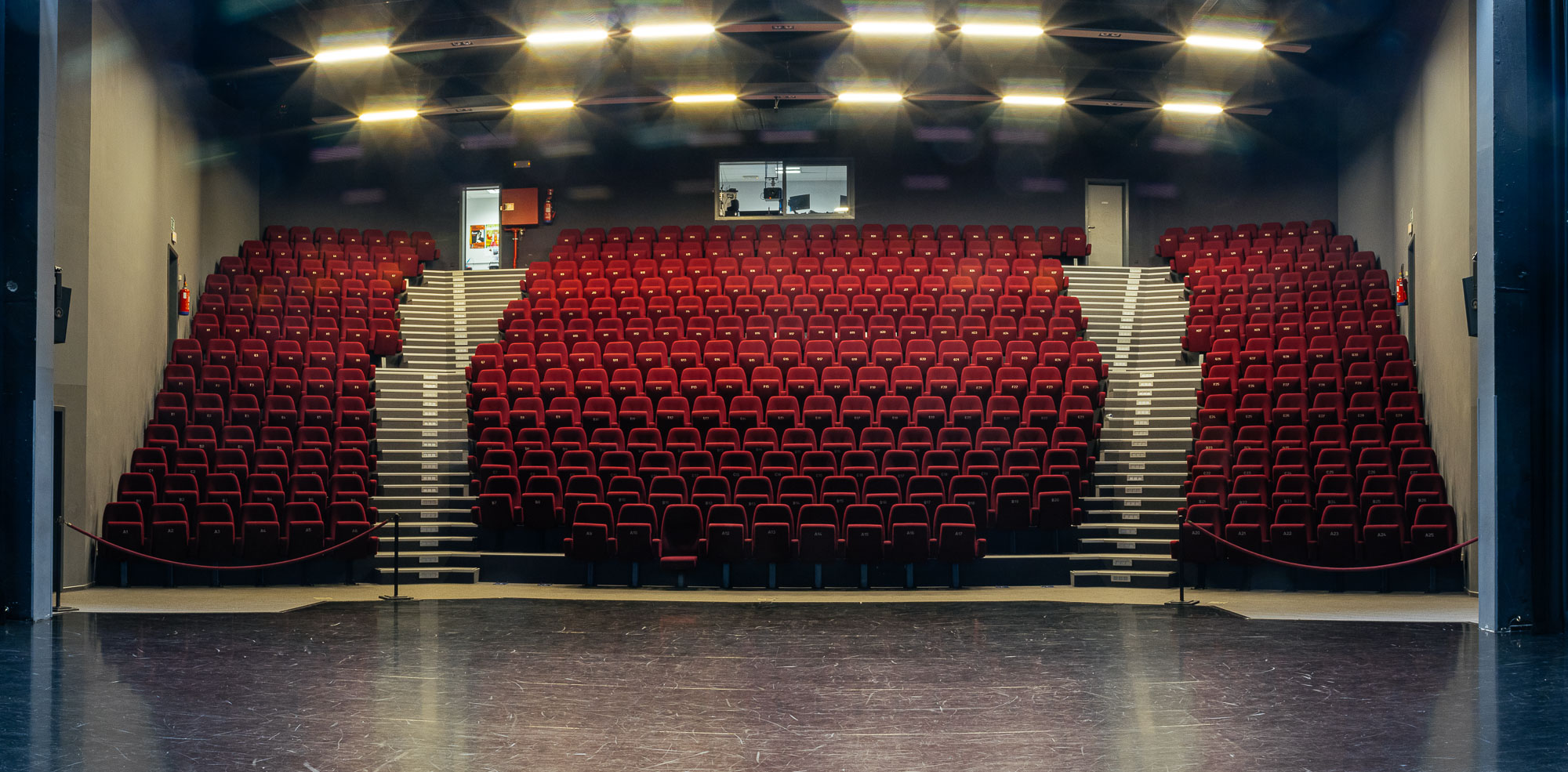
School theatre at St. John's International School in Waterloo. Credit: St. John's
All of this, however, has a price tag. The annual tuition fees for this 2025-2026 school year range from €27,800 for children in kindergarten to €44,600 for students in grades 10 to 12. For new students, there is also a €1,000 enrolment fee and a €700 campus development fee.
Those who opt for full boarding (which 28 pupils will do next term), also pay an annual €18,340. Then there are other services that also cost extra money, such as bus services, extracurricular activities, overnight trips or AP exams.
Everyone is free to apply, and Foyle stresses that the admission process is non-selective. Students are only rejected if they have behavioural difficulties or significant learning support requirement that staff feel they cannot adequately support.
"So we take kids, and we support them in developing and achieving, sometimes overachieving, what they are expected to do," Foyle says. Prospective pupils go through some baseline tests, an interview, and a tour.
"We meet the parents and make absolutely certain they know what we are about, so that they know exactly what we are going to deliver," he says. "Our pupils are challenged day in and day out to help them keep moving forward. That is how we can continue to raise the level."
