The Brussels citizens’ collective '40 Comités' called on the Capital Region's new Minister-President Boris Dilliès (MR) to tackle insecurity and cleanliness, and to further step up the fight against poverty and homelessness.
In an open letter published on Monday, numerous neighbourhood and citizens' associations are calling on Dilliès to tackle the "social emergency and poverty in Brussels."
"As residents of Brussels, we refuse to accept the unacceptable; we are calling for funds to be made available to put an end to this disgraceful situation," the collective said.
In a reaction to The Brussels Times, Dilliès stressed that he "fully shares" the ambitions of the 40 neighbourhood committees, and will soon be meeting with their representatives.
"After more than 600 days of crisis, our government is fully committed to making Brussels a cleaner, safer and more welcoming city, where everyone can have a roof over their head and enjoy pleasant public spaces," he said.
'Brussels bashing'
In the open letter, the committees stressed that after more than 600 days of waiting, they welcomed the new Brussels Government and the appointment of Dilliès as the new Minister-President, as it "marked the end of a period of stagnation that Brussels can no longer afford."
Now, they said, time is of the essence: the challenges are urgent and the expectations high. "The people of Brussels want to believe in your ability to act swiftly and decisively. Doing nothing would only fuel mistrust and strengthen the extremes."
Therefore, the committees wanted to draw Dilliès's attention to some of the most pressing issues – the first of which is the growing problem of homelessness in the Capital Region.
After previous tent camps were set up in Park Maximilien and Porte de Flandre, the situation is now repeating itself at the Tour & Taxis humanitarian hub. Men, women and children are again forced to sleep on the streets for want of a better alternative, they pointed out.
Therefore, they ask the Brussels Government to "remind the Federal Government of its duties" regarding the accommodation of registered asylum seekers.
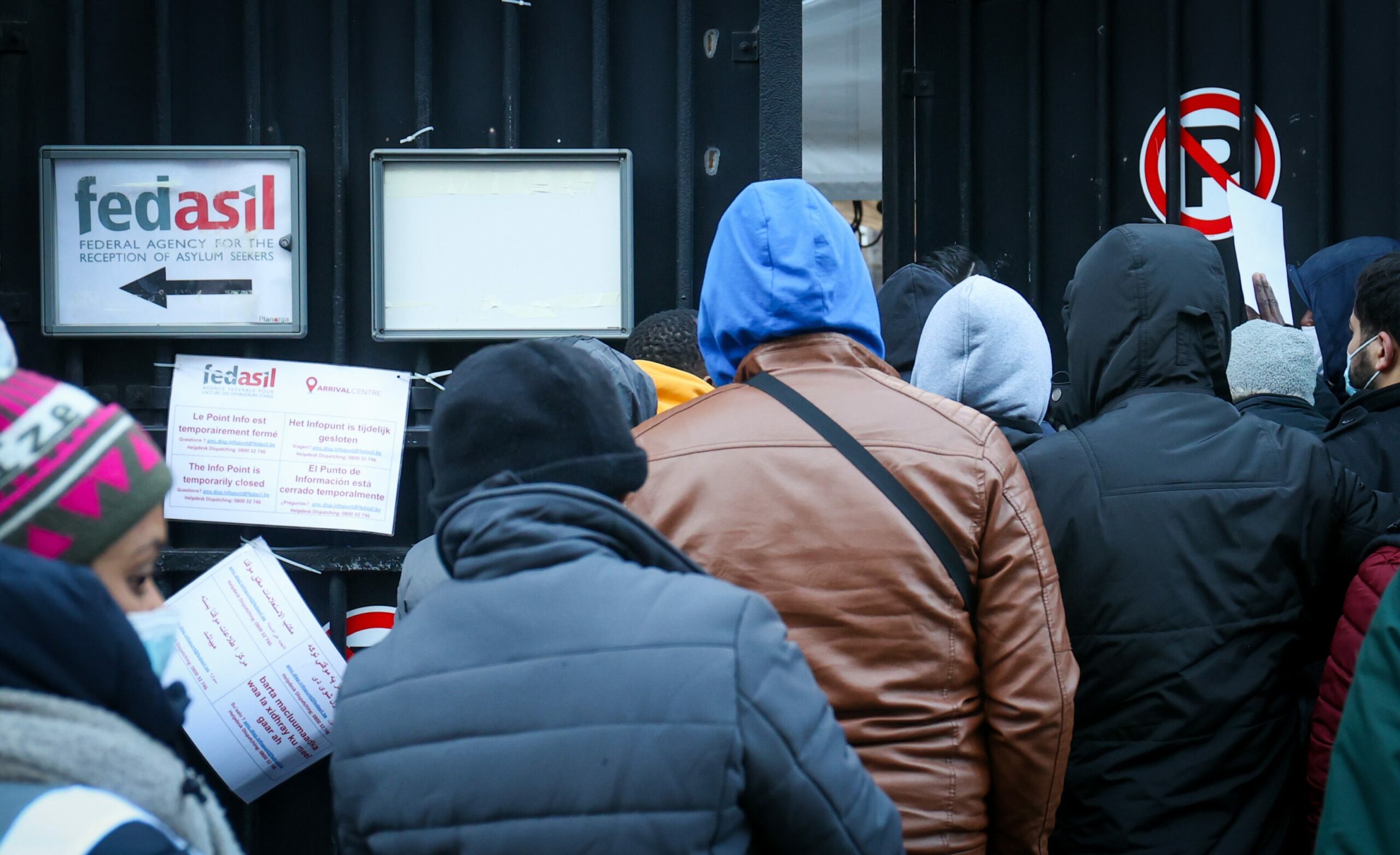
Illustration image shows refugees waiting outside, in Brussels. Credit: Belga/Virginie Lefour
If they refuse to listen, the committee questions why the country's only national registration centre for asylum and migration is located in Brussels. "Brussels can no longer cope alone with the poverty that other regions are dumping on us," they emphasised.
"This situation perpetuates an artificial neglect, which is then exploited for political purposes: Brussels bashing," they stressed. "It is time to put an end to this vicious circle and work together towards a structural solution."
Meanwhile, the new Brussels Government in mid-March decided to keep 285 accommodation places open for families with children and to launch a new homeless shelter with 40 places. Additionally, a new medical centre is also being established, while outpatient care is being strengthened.
Additionally, the committees wished to qualify the idea of appointing a regional drugs commissioner. The coordinator of the 40 Comités, Eric Vandezande, would prefer not to see a "fiefdom" on top of the existing National Drugs Commission, as that is "expensive, superfluous and inefficient."
Setting up a new structure, alongside the existing National Drug Commission, would be a "conceptual error," they said. "An additional administrative layer would only dilute effectiveness, multiply the number of interlocutors and slow down action."
A collective failure
They argue that a coordinating role is best suited to the National Drug Commission, which already possesses the necessary expertise, networks and experience. "As citizens, we have one simple demand: efficiency," Vandezande said.
Additionally, the letter underlined cleanliness is an issue that should be addressed as soon as possible. "Brussels isn’t dirty: Brussels is being made dirty. This situation is not inevitable, but a collective failure."
While uncivil behaviour, illegal dumping of rubbish and graffiti "disfigure" the city, the committees said that as a result of the poorly-functioning waste management, streets are sometimes left dirtier after collection than before.
"The gateways to our city, such as the North Station and the Midi Station, have become symbols of decay and neglect, turning our city into a European capital with a sad reputation," they stressed, adding that too many players are active in the region.
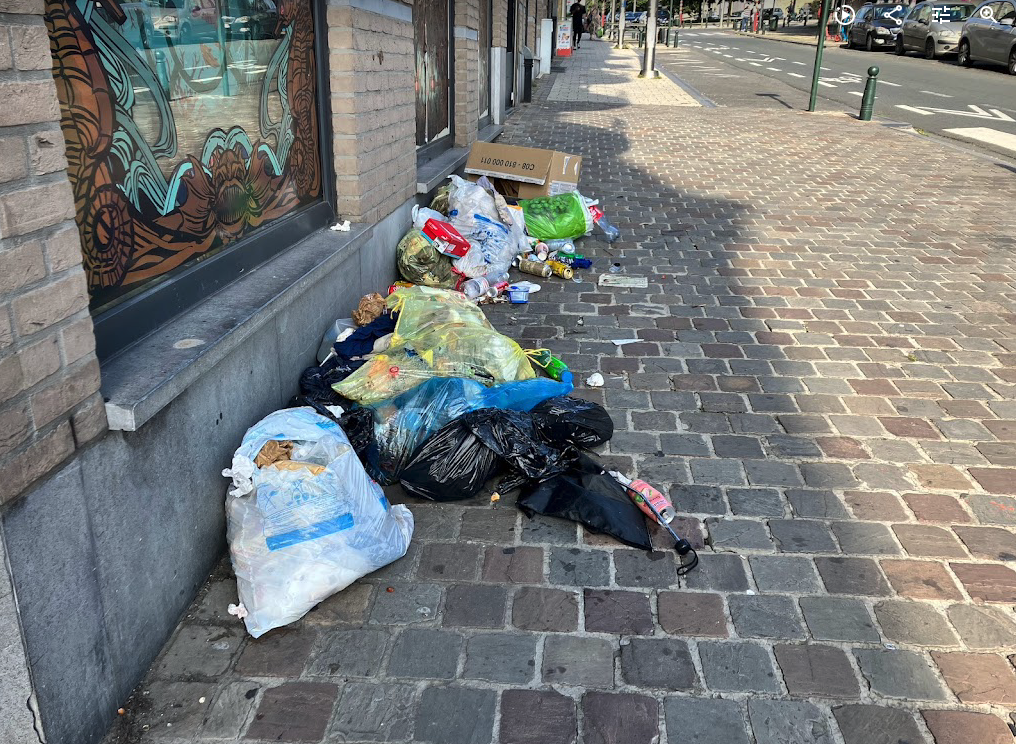
Rubbish on the streets of Brussels. Credit: The Brussels Times
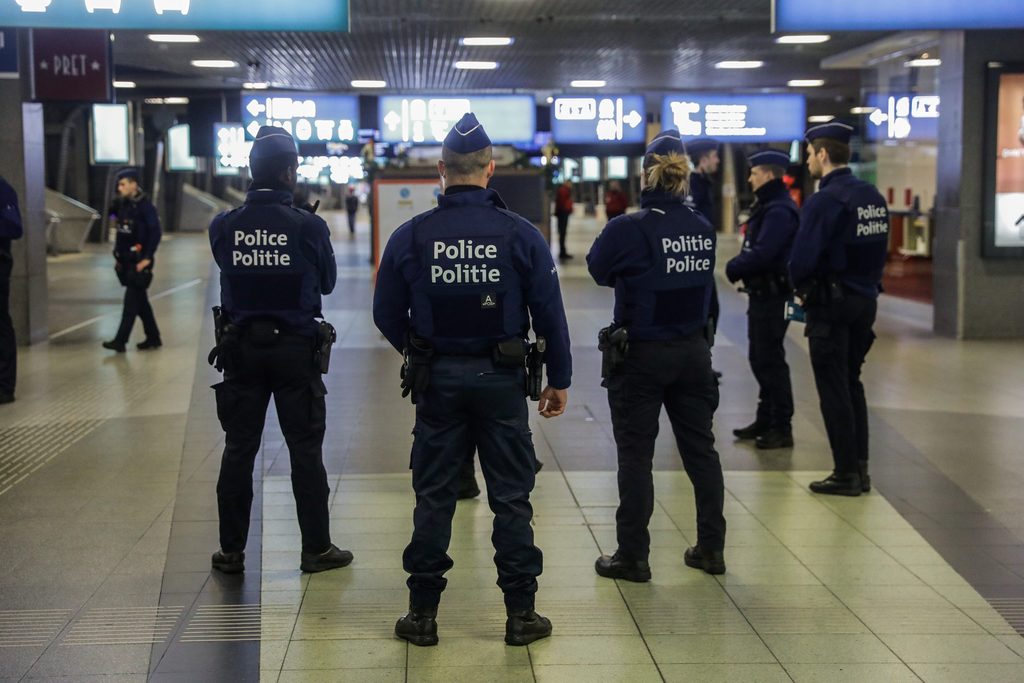
Finally, the committees are calling on Dilliès to tackle security, as shootings have returned with a vengeance after a brief lull. "Faced with this recurring reality, residents feel let down."
Therefore, they are calling for "a comprehensive security strategy, structured and directed at the highest level" with a Minister-President who must have "real resources" at his disposal to effectively coordinate the police services, the regional services, the social services and the federal police.
Pointing out that Brussels is currently €18 billion in debt, the residents emphasised that the current and future residents of Brussels have to foot the bill. "Without basic security, there is no trust, no social cohesion… and no future for Brussels," they stressed.
As a result, the committees are urging Dilliès "to think twice about every euro spent" and prioritise the essentials: "basic safety, cleanliness, the quality of life for the people of Brussels, the fight against poverty, and targeted investments to improve the region’s economy and efficiency."
'Restore pride'
In response to the open letter, Dilliès's cabinet underlined some of the "many measures" set out in the government agreement to tackle the issues raised by the committees.
They highlighted the Emergency Housing Plan, which will be reviewed to maximise support and tackle homelessness more effectively by strengthening measures to prevent loss of housing and bolstering schemes such as Social Housing Agencies.
In certain neighbourhoods, urban renewal plans will combine security, cleanliness, regeneration and social policy to improve the quality of life for those who live and work there.
Previously, Dilliès announced that the regional government plans to allocate €10 million to improve security and revitalise the neighbourhoods around Brussels-North station and Brussels-Midi (the ‘Stations Plan’).
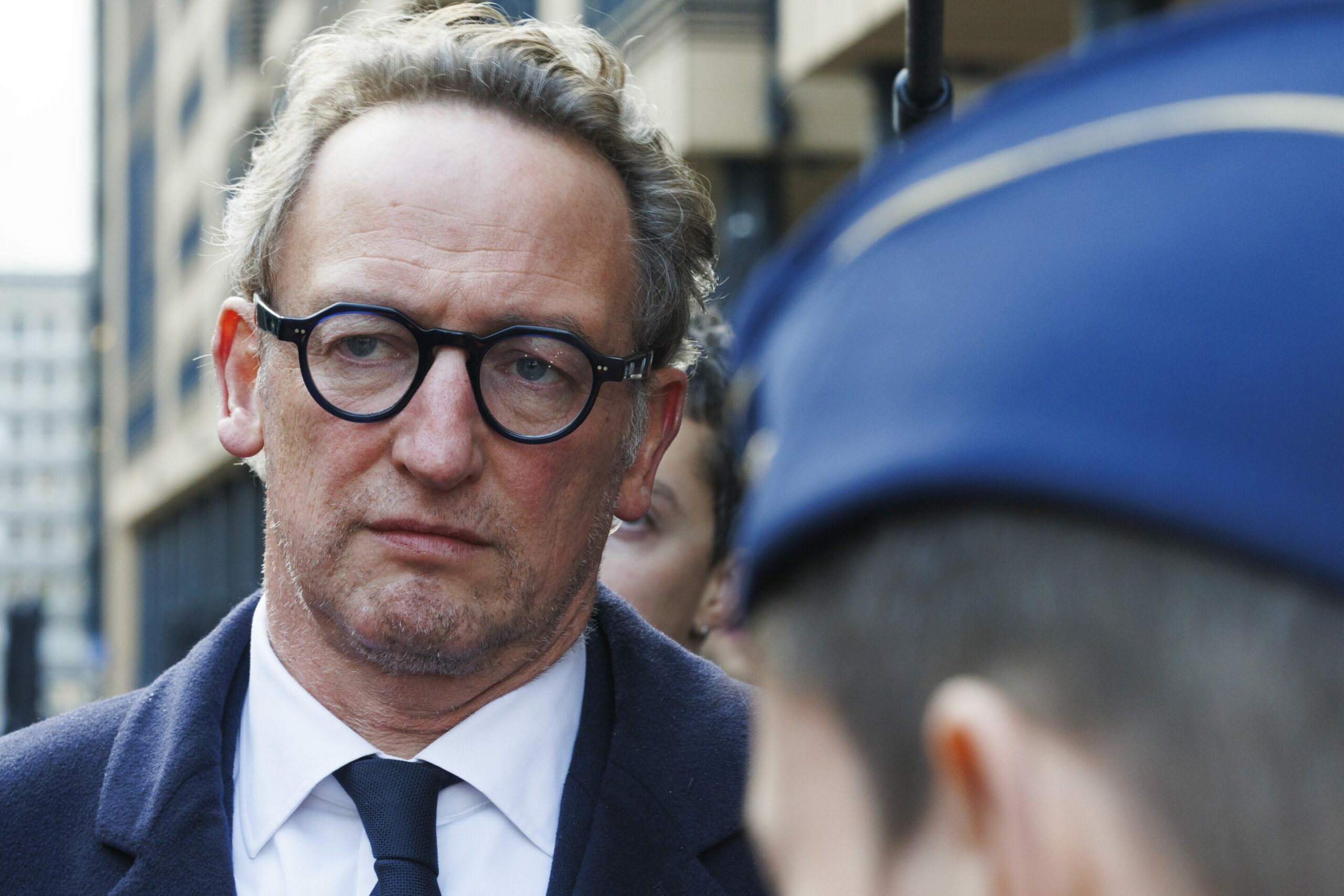
Brussels region Minister-President Boris Dillies (MR) pictured during a visit to the Brussels-Midi station, on Monday 16 February 2026. Credit: Belga
In terms of cleanliness, penalties for anti-social behaviour and fly-tipping will be strengthened, the waste collection system will be reviewed, and underground containers will be installed.
Lastly, an integrated regional drugs plan will be implemented on Dilliès's initiative, combining prevention and enforcement – in collaboration with the federal authorities.
"The aim is not to create an additional structure, but to be as closely attuned as possible to the realities of Brussels to develop rapid, coordinated and cross-cutting responses in the areas of prevention, health and safety," he clarified.
"My aim is to change the city's image and restore pride among the people of Brussels," Dilliès emphasised. "And alongside the municipalities, the neighbourhood committees will be key partners in implementing measures on the ground."
