
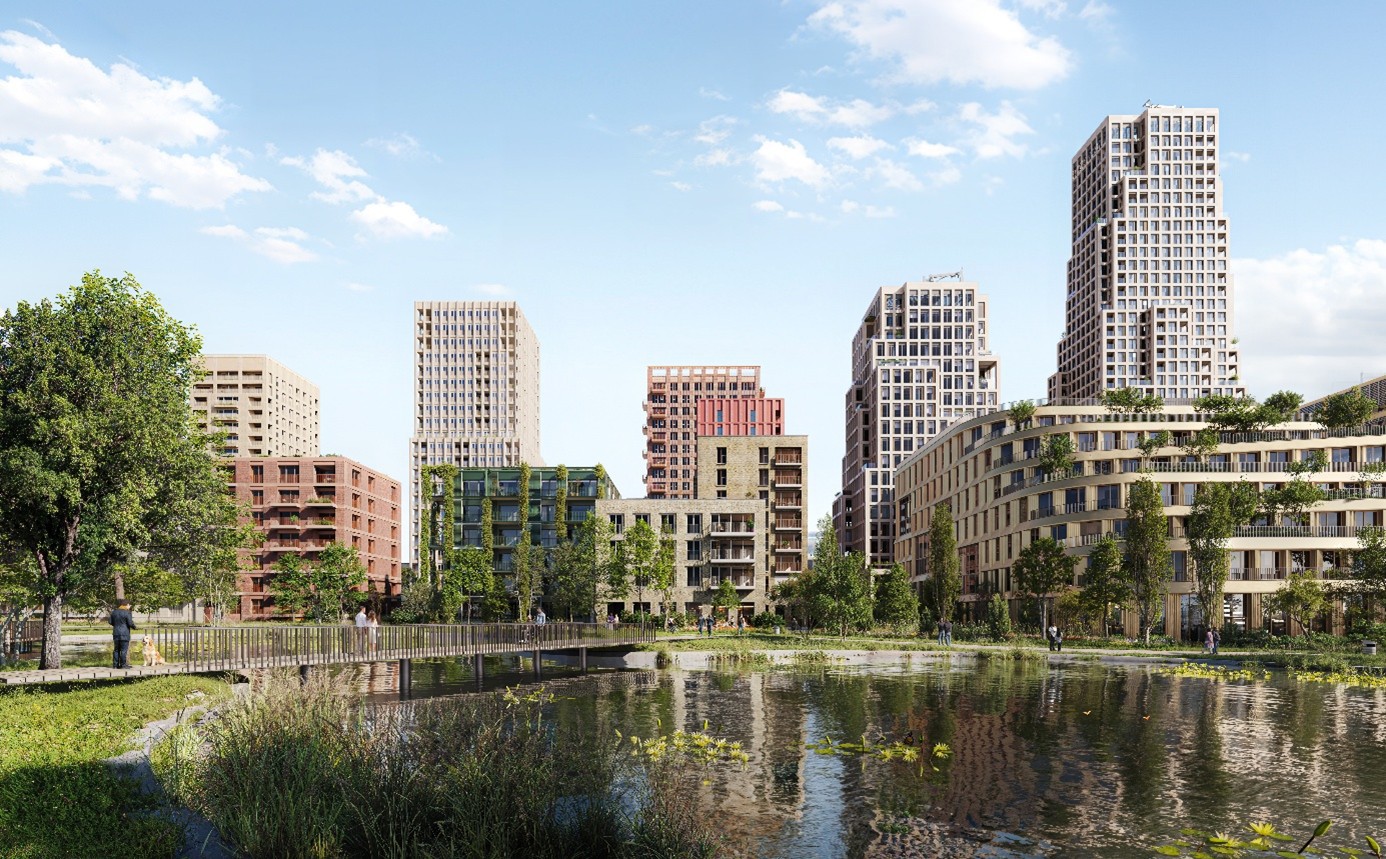
The multi-million-euro 'Lake Side' real estate project inside Tour & Taxis in Brussels was quietly approved last Friday, despite residents and urban activists objecting that it will raise the cost of living in the area.
Brussels Secretary of State for Urban Planning, Audrey Henry (MR), announced last Friday that the planning permission for the Lake Side project, developed by real estate investor and developer Nextensa, was finally approved by Urban Brussels, the regional body for infrastructure.
The latest details of the permit have not been made public yet, reigniting long-standing fears over the project's knock-on effects on poorer nearby municipalities, such as Molenbeek-Saint-Jean, regarding affordability and housing.
This week, activists opposed to the project said they were "very frustrated" that they have not yet received the full details of the final permit, released nearly a week ago, citing the project's commitments over affordable housing.
However, the regional urban infrastructure agency, CityDev, will be in charge of the 166 flats (out of 660) safeguarded for affordable housing, including therefore ensuring all buyers are primary owners for at least 10 years, the CEO Benjamin Cadranel confirmed to The Brussels Times on Wednesday.
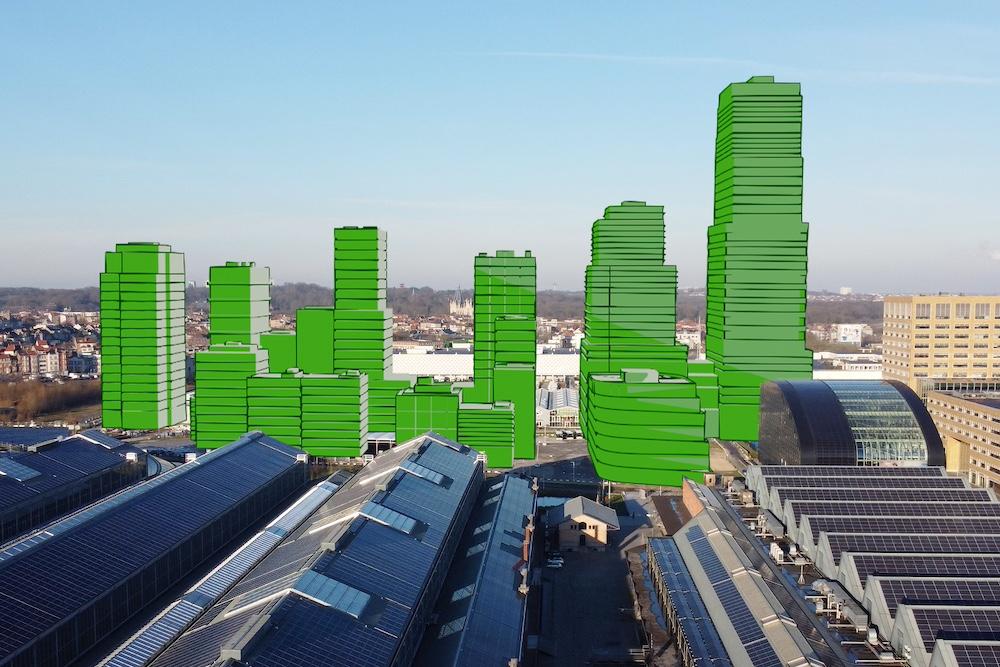
Lake Side project plans. Credit: Inter-Environnement Bruxelles (IEB)
This is seen as a "big win" for local activists, who had made the request to public authorities to avoid a similar scandal as with the Park Lane development in Tour & Taxis in 2021 – where Nextensa was found to have given the flats to investors and friends.
CityDev welcomed its role in the project, but conceded it will have a "marginal effect" on wider concerns about affordability in the area, as it covers only 166 units out of 660. Yet Cadranel stressed that they will give priority to their internal list of 10,000 candidates who have a middle-average income of around €30,000 per year.
"It will definitely bring a different category of buyers. Investing in a flat and renting it out is not the same as actually picturing yourself going to live there for 10 to 20 years," he told The Brussels Times on Wednesday.
What is Lake Side?
Lake Side is the final phase of the large-scale real estate development in Tour & Taxis, on the banks of the Brussels canal. It occupies an adjacent area to the reconverted former industrial site, which became derelict in 1993.
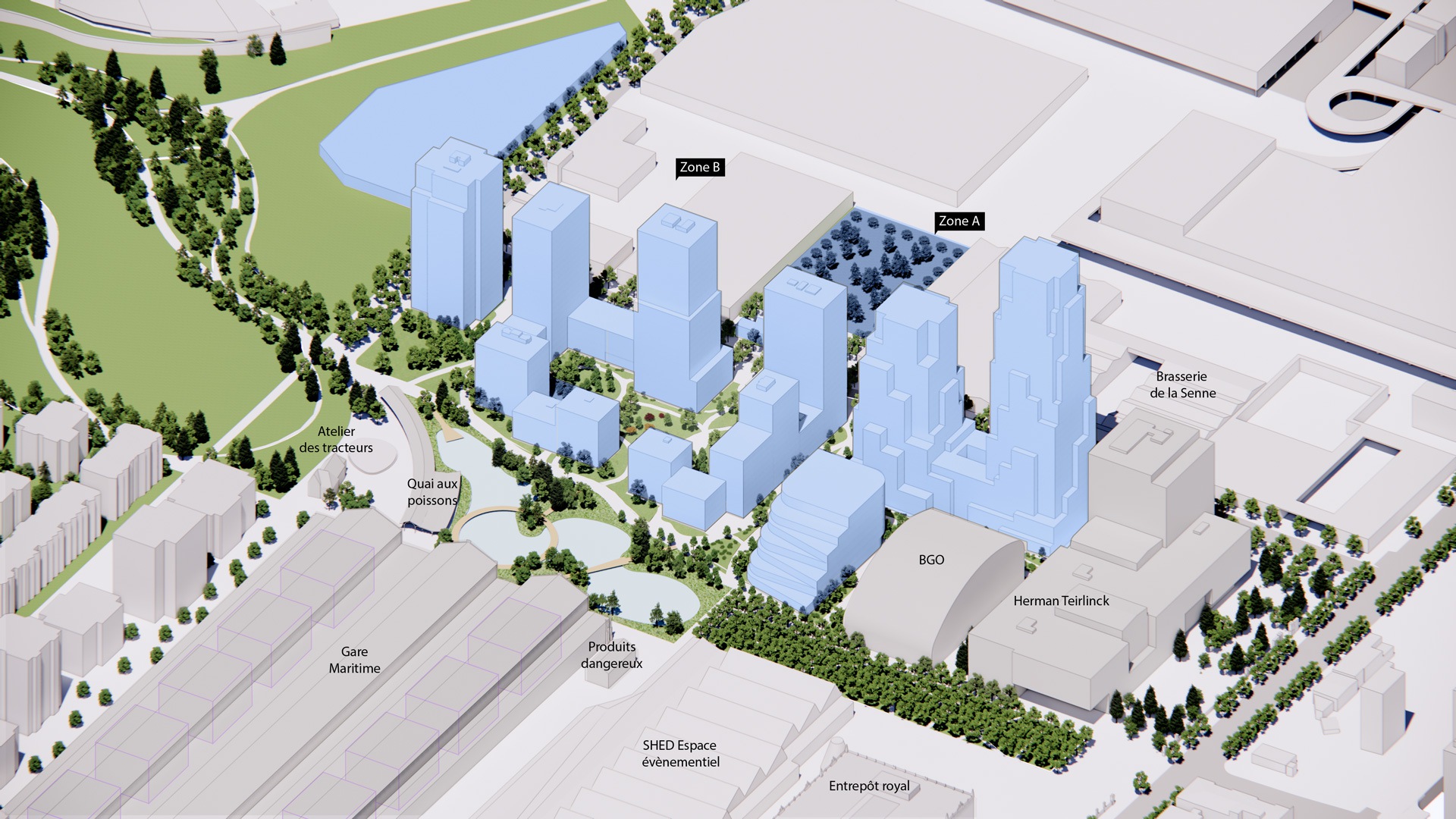
Nextensa's plans cover 140,000 m² and concern 17 buildings, including a 127-meter tower and 660 housing units, with an overall mix of apartments, offices, shops, hospitality and public facilities, including new publicly-accessible green areas.
It marks the final stage of the 25-year development of the former industrial site, which aims to "enhance the neighbourhood’s appeal in the long term."
Nextensa secured planning permission for the Lake Side project. Credit: Nextensa / Belga
"Obtaining the permit for Lake Side is an important milestone for the continued development of Tour & Taxis," said Peter De Durpel, COO of Nextensa. "This new sustainable district, located next to Proximus’ headquarters, will include nearly 700 residential units and numerous public amenities."
The Lake Side project represents a total investment of approximately €555 million, spread over a period of about eight years. Having bought the site for €44 million in 1993, Nextensa could gain up to €1 billion from the project, according to expert estimates.
Middle-class push
"At the heart of this initiative lies a strong commitment: to encourage the middle-class to settle in Brussels," said Brussels State Secretary for Urban Planning Audrey Henry (MR), who made the announcement.
"By this, we mean families who require homes with several bedrooms," her spokesperson clarified to The Brussels Times on Tuesday.
Nevertheless, the project has not been without its controversies: it has been put to public consultation twice over unaddressed local concerns.
In both February and October 2025, many Brussels residents, neighbourhood associations, affordable housing organisations and local councillors from Molenbeek-Saint-Jean voiced their opposition to the project.
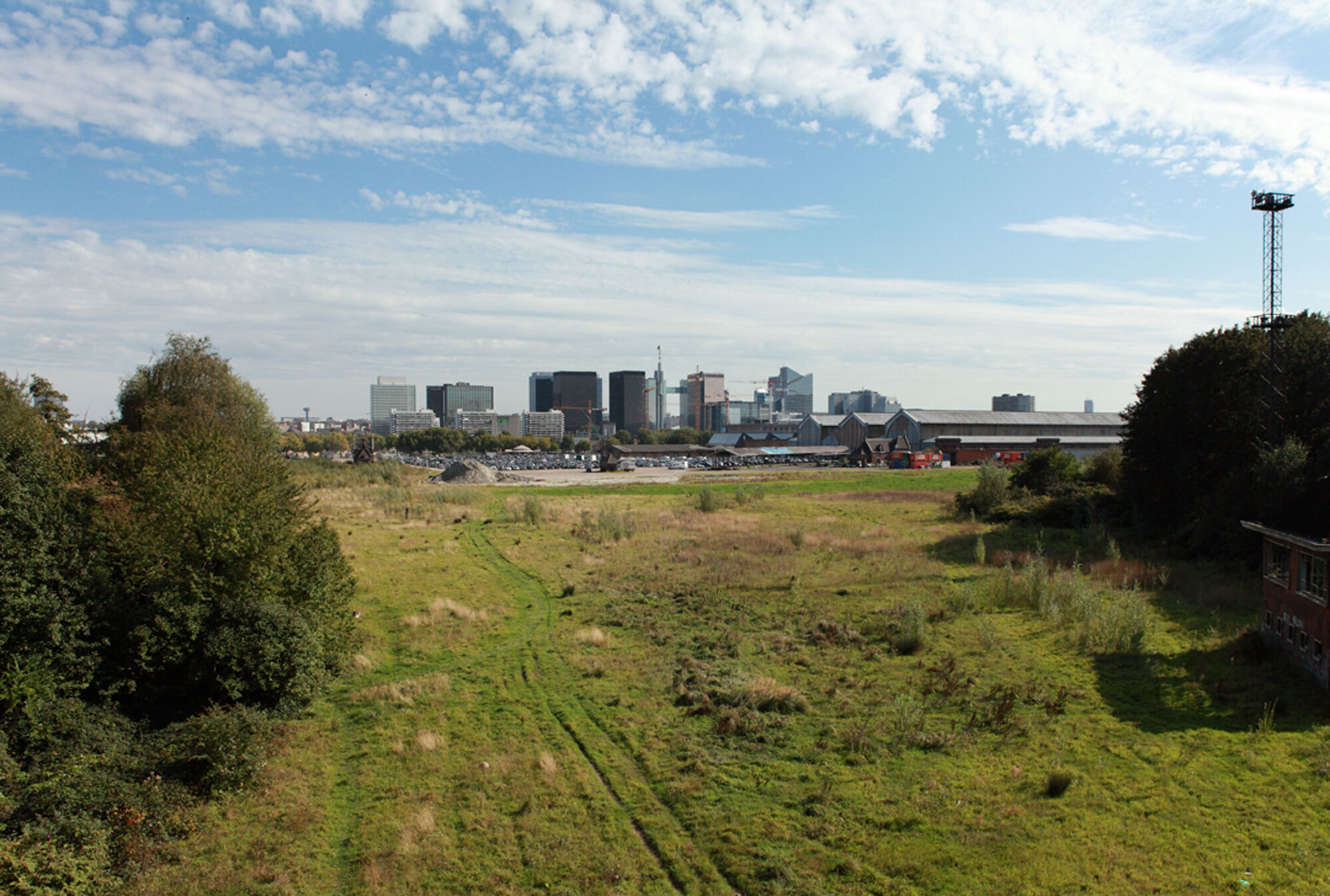
The park near Tour and Taxis. Credit: Roel Van Tour / Perspective Brussels
Among the key issues raised was the impact of the project on the quality of life and affordability in the neighbourhood and surrounding areas, citing the ongoing housing crisis in Brussels.
As part of their reasoning, BRAL, a Brussels non-profit city movement for the environment and urban development, spoke about the "50,000 households in the Belgian capital on the waiting list for social housing." They also referenced the middle-class families who are finding it "increasingly difficult to find affordable housing in our city."
Social or 'approved' housing
"The planning permission specifies that around 25% of the units will be approved housing and approved housing 25+," State Secretary Henry told The Brussels Times. "These units will be managed by CityDev. In this way, we ensure that larger homes are made available to families and the middle-class."
Approved housing (logement conventionné in French) is a form of lower-priced accommodation. It differs from social housing as it is private accommodation, whose rent is capped by an agreement between the owner and a public authority. The scheme is aimed at those who do not qualify for social housing but still need affordable accommodation.
The approved housing 25+ category is a fixed price that is calculated under the market price, and it is calculated from the conventional price, meaning it has to be no more than 25%.
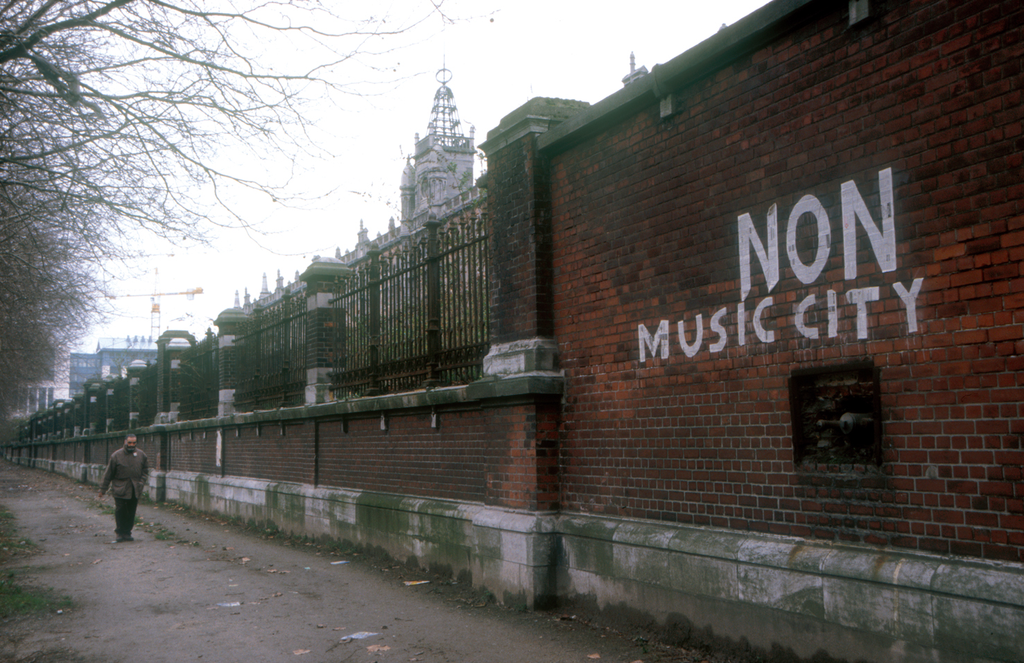
From 1993 to 2000, several proposals were made as part of the Music City project with a view to redeveloping 9 hectares of the site. Credit: BRAL
"The minister tries to justify the project by referring to the logements conventionné (approved housing), but it is important to note that this is not social housing," Eva Forceville, an activist from BRAL, told The Brussels Times. "The apartments can be sold after some time, and so they re-enter the private market."
While the public body CityDev insists that the approved housing scheme is not a bad system, activist BRAL's Forceville think it is strange, as on average, approved housing is 30% under the normal selling price.
"So if you put it in the approved 25+ category, they're maybe a bit cheaper than the usual housing, but actually still quite high up and still for the upper-middle-class," she explained.
Fears of gentrification?
Indeed, this can speak of a nervousness that Nextensa’s commitment to affordable housing would disappear by the time construction begins, as was seen with the Park Lane development.
"It is very sad to see that now, once the permit is there, no one is talking about the promised social housing. This is a known tactic from Nextensa and developers in general, to use the false promise of social housing to let a project pass by the public, but to not follow through," said Forceville.
For urban activist organisations like BRAL or Inter-Environnement Bruxelles, this real estate development has marked a "wasted opportunity" of such a huge public space, which could have been converted to fit the needs of locals.
The development, while inside the City of Brussels, is stuck between the Brussels canal and the territory of Molenbeek-Saint-Jean, the second poorest commune in the country, which has opposed the project. The nearby Northern Quarter also has its socio-economic challenges.
Some believe that social housing may have been overlooked due to the Brussels Region's financial situation, while Belgian law does not allow the government to oblige a developer to build a certain number of units for free.
'Place for the rich'
Yet locals and activists feel that Nextensa has developed a project that is designed to attract people from outside with higher salaries, which is bound to impact the nearby municipalities.
"We can definitely talk about almost aggressive gentrification happening here. We heard this when we attended the neighbourhood committees, where locals could speak freely about the project," Forceville continued. "They said it feels like a place for the rich. That it is not built for them, and that they feel quite distant from it."
She described incidents where locals from Molenbeek or the more working-class city centre districts have been asked not to have a picnic near the huge food halls in Tour & Taxis. This includes signs being put up to discourage people, which some feel are directed at the locals.
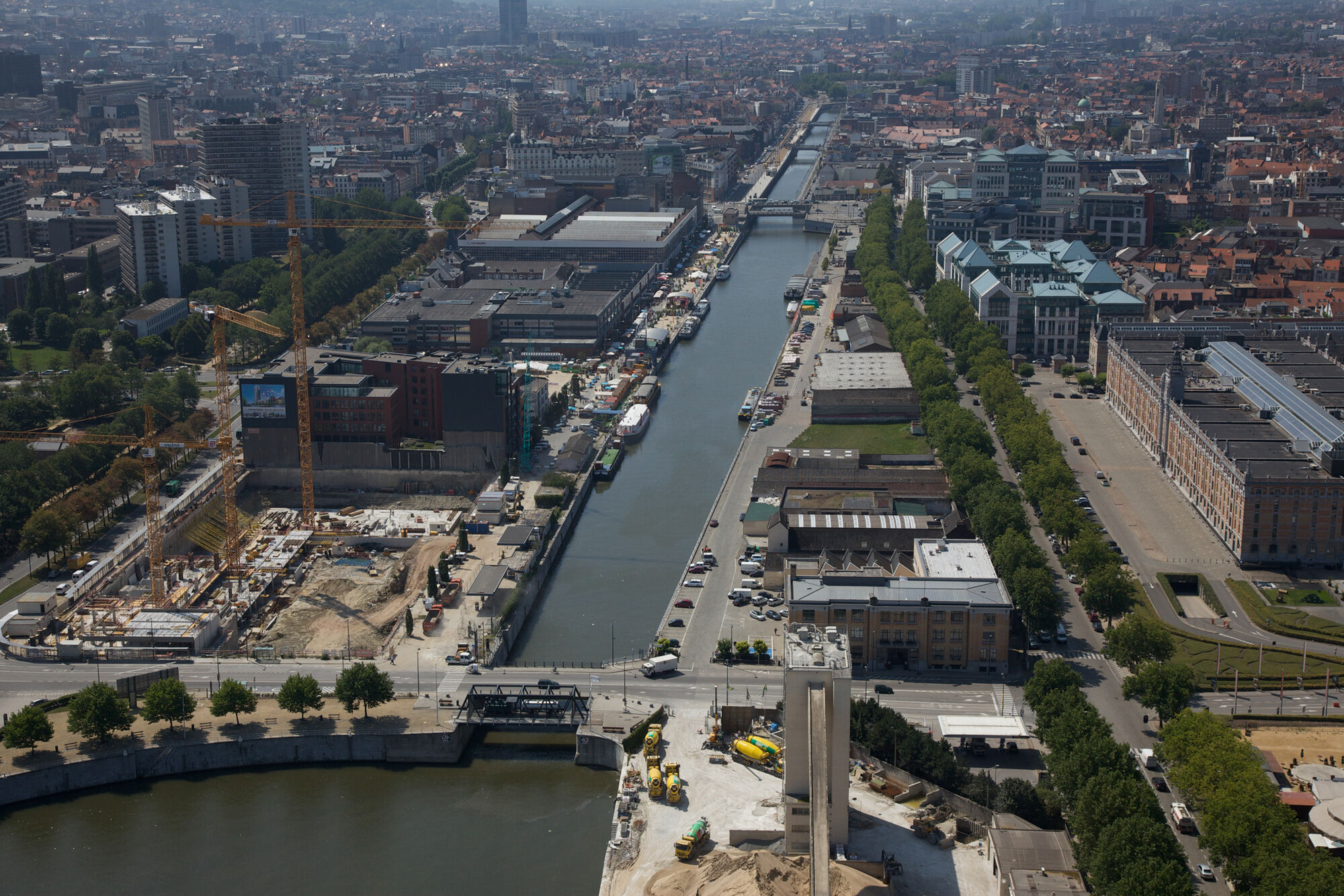
Port of Brussels on the canal, with Tour & Taxis main building just in the middle, right. Credit: Port of Brussels
"I mean, it's almost like an active segregation going on," Forceville said. "We also heard stories of youngsters who wanted to have their lunch there, but the security would tell them to go away."
Brussels' urban activist organisations like BRAL, Inter-Environnement Bruxelles and ARAU have led calls for the project not to be approved in its current form, given the concerns about affordable housing not being adequately addressed.
Other issues included excessive density, building heights (six buildings over 65 metres, including one at 127 metres), tens of thousands of square metres of unnecessary office space, and no guarantee for the "insufficient" provision of affordable housing.
Moreover, the inclusion of so much office space just a stone's throw away from the hundreds of vacated offices in the Northern Quarter was also criticised.
Future of the area
However, activists are claiming CityDev's inclusion in overseeing the approved housing as a victory, given that this was one of their original demands, having cited the aforementioned Park Lane scandal. Some concerns were also addressed during the second consultation, including doubling the public facilities and adding apartments with more rooms.
When addressing some of the local concerns, CityDev's CEO wants to distinguish between gentrification, which he terms as poorer residents being displaced by market pressures, and "social mixing", deliberately mixing social backgrounds without displacement.
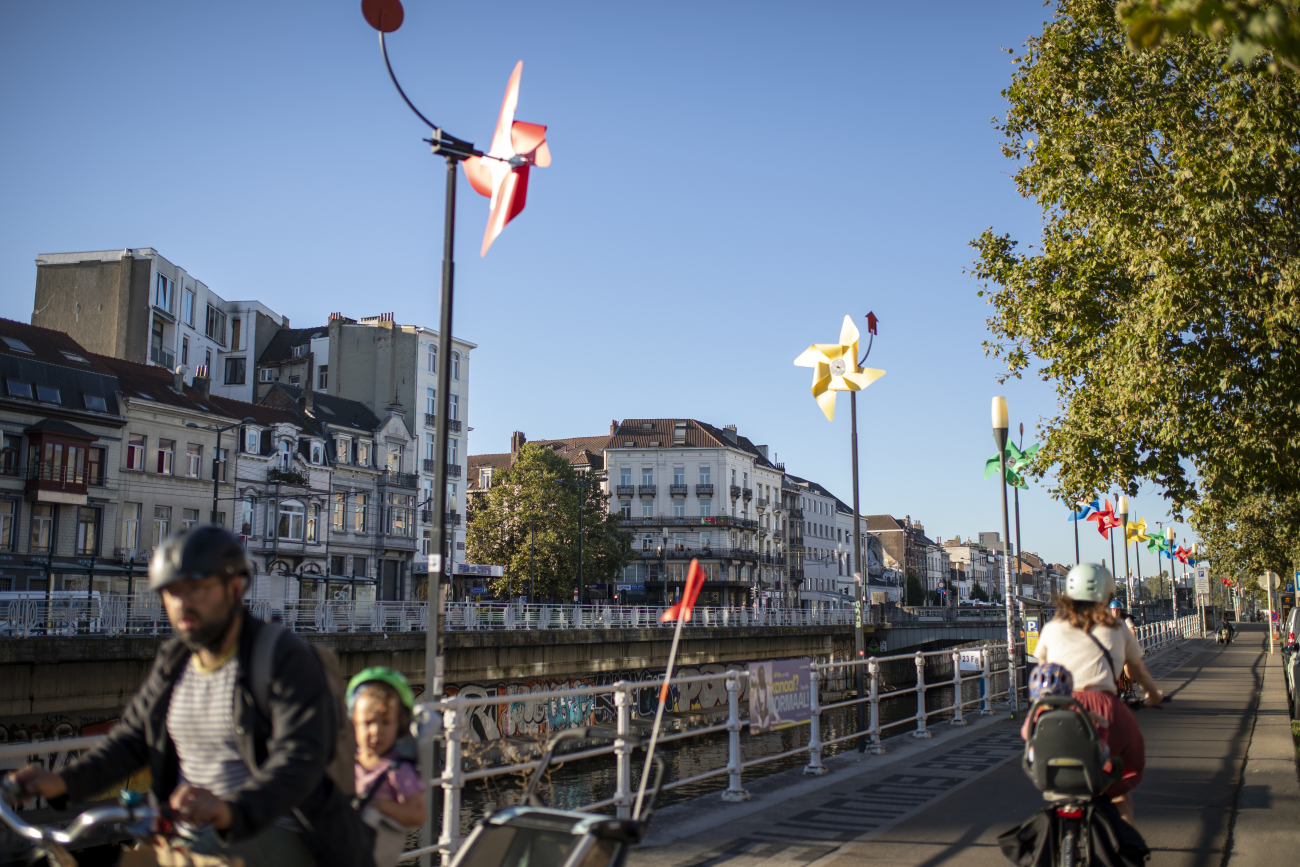
The canal by Molenbeek. Credit: Living in Brussels
He argued that, as a former industrial site, no one is being directly displaced by the new housing. He criticises the "dogmatic" denunciations of gentrification that ignore such nuances.
He maintains that Brussels is not London or New York – "so the situation is different", but recognises the need for vigilance and balance.
Gentrification or not, urban activists and locals still feel like this was a missed opportunity to use a vast public terrain to help address the ever-growing needs of disadvantaged residents in areas such as Molenbeek.
"We're still not 100% sure of all the details that were finally approved, as the permit has not been made public yet. But we do know that social housing won't be part of it," BRAL's Forceville concluded. "And that's a big shame."
Requests for comment from Nextensa and City of Brussels Councillor Anais Maes (Vooruit) were put in, but no response was received by the time of publication.
