
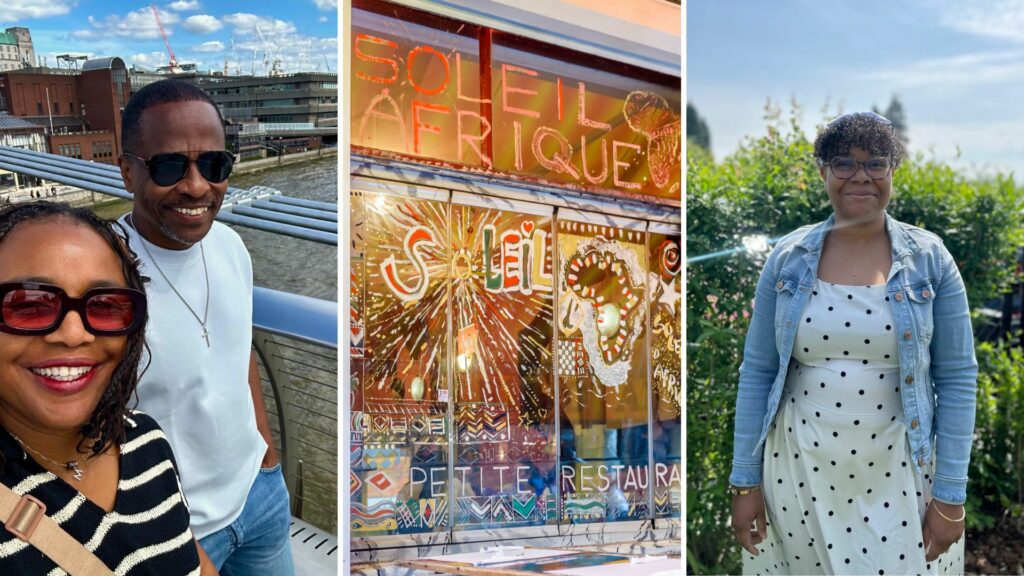
Perhaps surprisingly to Belgians who see complaining about the weather as a national sport, Maria Atherley-Alpheus traded Caribbean heat and friendly faces for cold winters and the Belgian lifestyle just outside Brussels. And she is not the only one.
Atherley-Alpheus moved to Belgium in 2015 after her husband, Samuel Alpheus, accepted a job offer in the country.
Born and raised in Trinidad and Tobago, Atherley-Alpheus described the move as "a big adjustment". The lack of sunlight, colder climate and more reserved social norms all impacted her, she told The Brussels Times. "In the Caribbean, you greet people even if you don’t know them."
"I opted to take a two-year sabbatical from the Trinidad and Tobago branch of the University of the West Indies and explore the move to Belgium," she said.
During that time, Atherley-Alpheus joined several clubs through the parent community at the British School of Brussels, where her daughter attended school. Among them was an art club – prompting her to get serious about a childhood hobby.
"I've loved art since I was a child. I did a lot when I was growing up, but never took it up seriously," she said. Later, she decided to pursue art more seriously and eventually began exhibiting her work at local venues.
Her husband, Samuel Alpheus, described the move as a "nearly perfect experience."
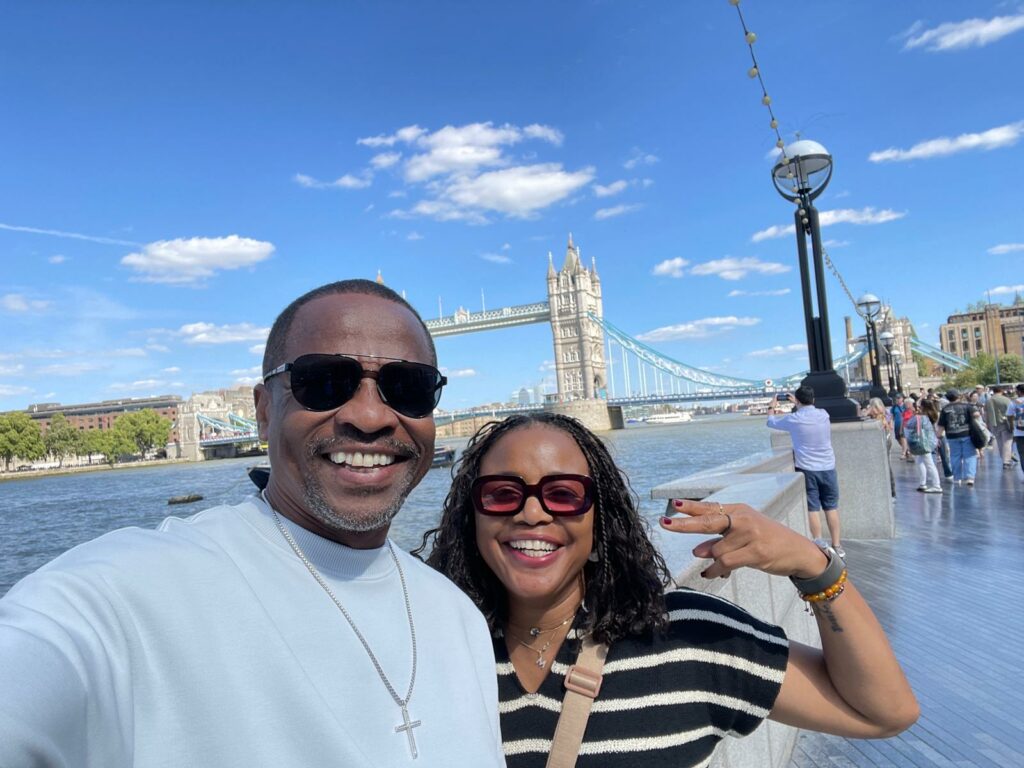
Maria Atherley-Alpheus and her husband, Samuel Alpheus, on a trip to London. Credit: Alpheus family
A Project Manager at YARA, Alpheus said everything went smoothly because he had "the support of his company". Unlike many newcomers, he said he didn’t face challenges opening a bank account, finding housing, or registering at the commune.
He added that learning "a bit of Flemish" has helped him feel more integrated. "It helps quite a lot during my interactions with the commune," he said.
The family is part of a small but visible Caribbean presence in and around Brussels, but the community remains difficult to quantify in official Belgian statistics.
Still, thousands of people now living in Belgium originate from the Caribbean, a geographic region centred around the Caribbean Sea, encompassing islands stretching from North America to South America, as well as several mainland countries along the Caribbean coast.
It includes the Greater Antilles and Lesser Antilles islands, such as Barbados, Cuba, Haiti, Jamaica, Martinique, Puerto Rico, and Trinidad and Tobago, among others, alongside mainland nations like Guyana and Suriname.
“I know there is a growing community in Brussels, but it is still a minority,” said Alpheus. Many connect through WhatsApp groups, cultural events such as Caribbean Days 2025, and shared spaces centred on food (Chef Wayne) and music (Bomboclat Festival).
Cultural adjustment and finding home
For Caribbean people, adapting to Belgium is not only about the weather, but also about adjusting to social norms and the rhythm of life.
Alpheus sees his move to Brussels as a continued experience. “When I am in Trinidad, I miss the Belgian experience and the calmer way of life,” he said. “If I have to sacrifice the friendliness of Trinidadians and the warm weather for more peace and orderliness, it’s a trade‑off.”
He noted that building social connections in Belgium often takes time, explaining that people are more reserved.
That reserve can sometimes be misread, according to Cedrine Fletcher, who moved from Jamaica to Belgium in 2009. “When you first arrive, you might mistake Belgians for being rude or cold,” she said. “It just takes time before you enter their inner circle.”
Fletcher first lived in Diegem (just outside of Brussels) and now lives in Zemst (on the border of Flemish Brabant and Antwerp). One of her earliest experiences in Belgium was spending Christmas with a Belgian family.
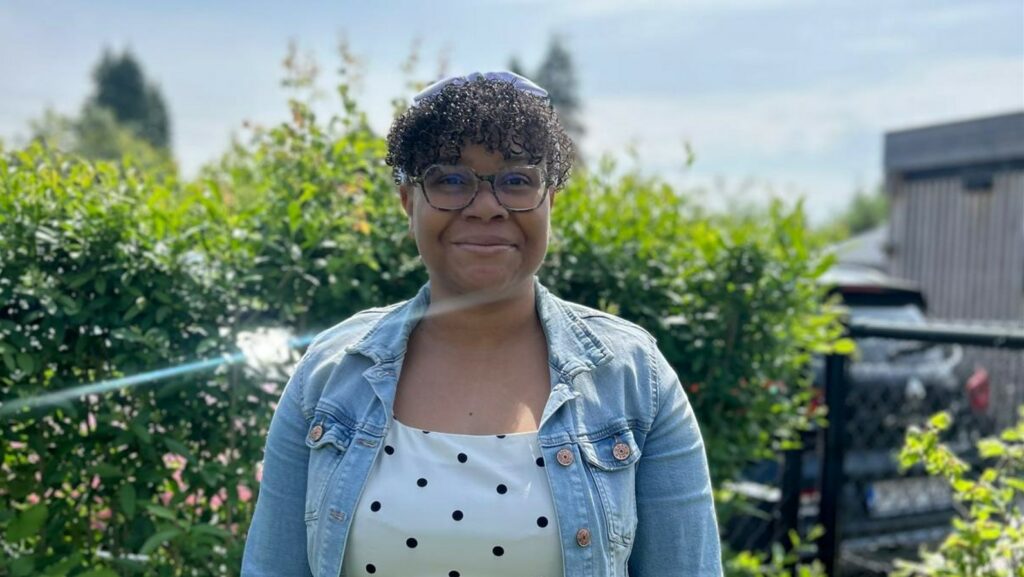
Cedrine Fletcher. Credit: Handout
“Christmas with my Jamaican family is noisy. There’s music and people are up and down,” she said. “In Belgium, it was dinner, talking, and the food was very different,” she explained.
Now, she speaks Dutch and has become deeply familiar with Belgian culture and daily life.
Another Caribbean resident who feels well integrated is Jasmine Godier. Coming from Martinique, she has been living in Brussels since 2019.
“I mostly work with Belgian colleagues and clients,” Godier said. “My partner is also Belgian. Thanks to them, I am learning many new things that would not be taught in textbooks.”
Viviana Diaz, who moved to Brussels from Cuba in 2022, shared a similar feeling, finding a home in the capital. “It’s home to me. It’s hard to describe, but the feeling of peace and 'easiness' I get here is unparalleled. I am so used to this city that I miss it when I travel, even if I go to my home country,” she told The Brussels Times.
Her first impression of the city, however, was less positive. “I first did not like it. I found it too chaotic, but that chaos is now what I describe as its charm,” Diaz explained.
Brussels as a connection point
For those living outside of the capital, Brussels functions as a place to work, socialise, and reconnect with familiar tastes from home. For the people living in Brussels, such as Godier, the city offers "lots of cool places in a rather small area." She also highlighted how easy it is to travel to neighbouring countries.
Both Fletcher and Atherley-Alpheus said they regularly visit the Matonge area in Ixelles to buy products that remind them of home. “There I can find plantain and other products I haven’t had in a long time. The Matonge district was an eye-opener,” Fletcher shared.
One common theme that emerged in every conversation was Brussels’ diversity. Diaz loves that aspect of Brussels, while Fletcher said she loves Brussels because it is multicultural and “you see somebody from a different ethnic background everywhere you go.”
Similarly, Alpheus used the word “cosmopolitan” to refer to the capital, underscoring his good experiences with people.
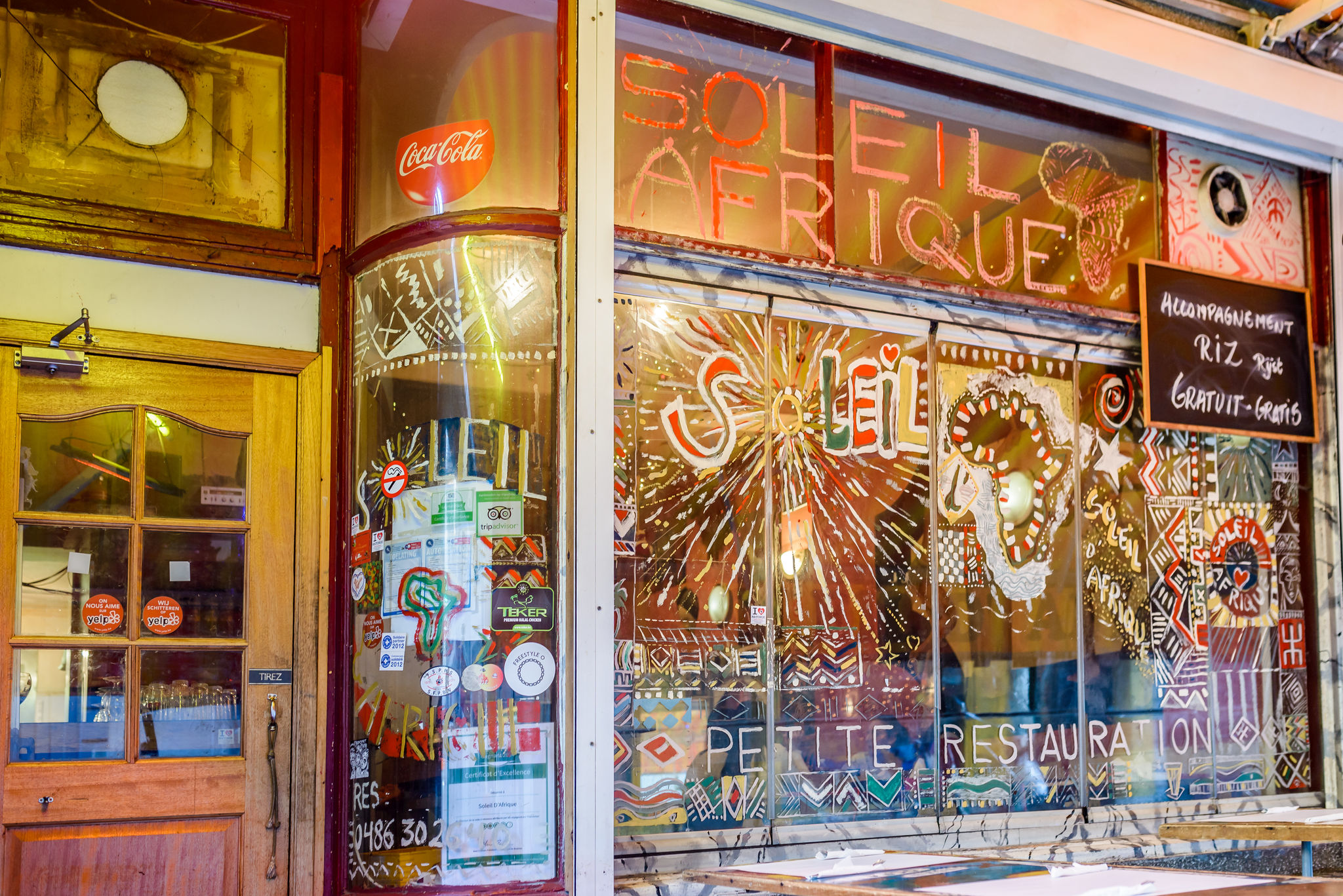
Rue Longue Vie, Matonge. Credit: Jean-Paul Remy / visit.brussels
Generally, Caribbean people feel well integrated in the city and Belgian society, and they describe a life between the two places rather than replacing one with the other.
Godier said she misses the weather, the slower pace of life, the food, and "hearing good dancehall and zouk music everywhere", and she still returns to Martinique once or twice a year. The Alpheus family also visits Trinidad and Tobago often, with Alpheus saying he hasn’t “burnt any bridges there.”
Fletcher doesn’t visit Jamaica as often, but said that the island is inseparable from her identity. “Jamaica will always be home as soon as I step off the plane, the smell, the heat that just hits you’ she said.
