A year after the European deadline, Belgium still has no Social Climate Plan – meaning the country cannot access €1.66 billion in EU funding to ease people's energy bills. The Brussels Government has not done its part yet.
In 2023, the European Commission set up a Social Climate Fund, intended to help vulnerable households and small businesses with the energy transition towards green energy, including through renovation grants, heat pumps and improved public transport.
In total, the fund will amount to €86.7 billion, to be distributed among Member States between 2026 and 2032. A substantial figure – €1.66 billion – is earmarked for Belgium. Just over a third of that money may be used to ease the burden of people's energy bills.
The money will come from the European carbon tax (ETS2), an additional tax on oil and gas used for transport and heating, which is set to be introduced in 2028.
Missed deadline
As a result of this extra tax, about 15% of Belgian households will see their bills rise, according to previous calculations by the Federal Planning Bureau.
To ensure that these higher bills will not undermine public support for the energy transition, the European Commission is using the Social Climate Fund to redistribute part of the revenue from this new tax.
The Commission has stressed that this support must be targeted specifically at those who need it most: those on the lowest incomes and the smallest businesses.
However, that EU money can only be released after Member States submit their Social Climate Plan to the European Commission for approval. Belgium has missed that deadline – by a wide margin.
On Tuesday 30 June, the Belgian plan will be exactly one year overdue, despite the fact that it is nearly finished.
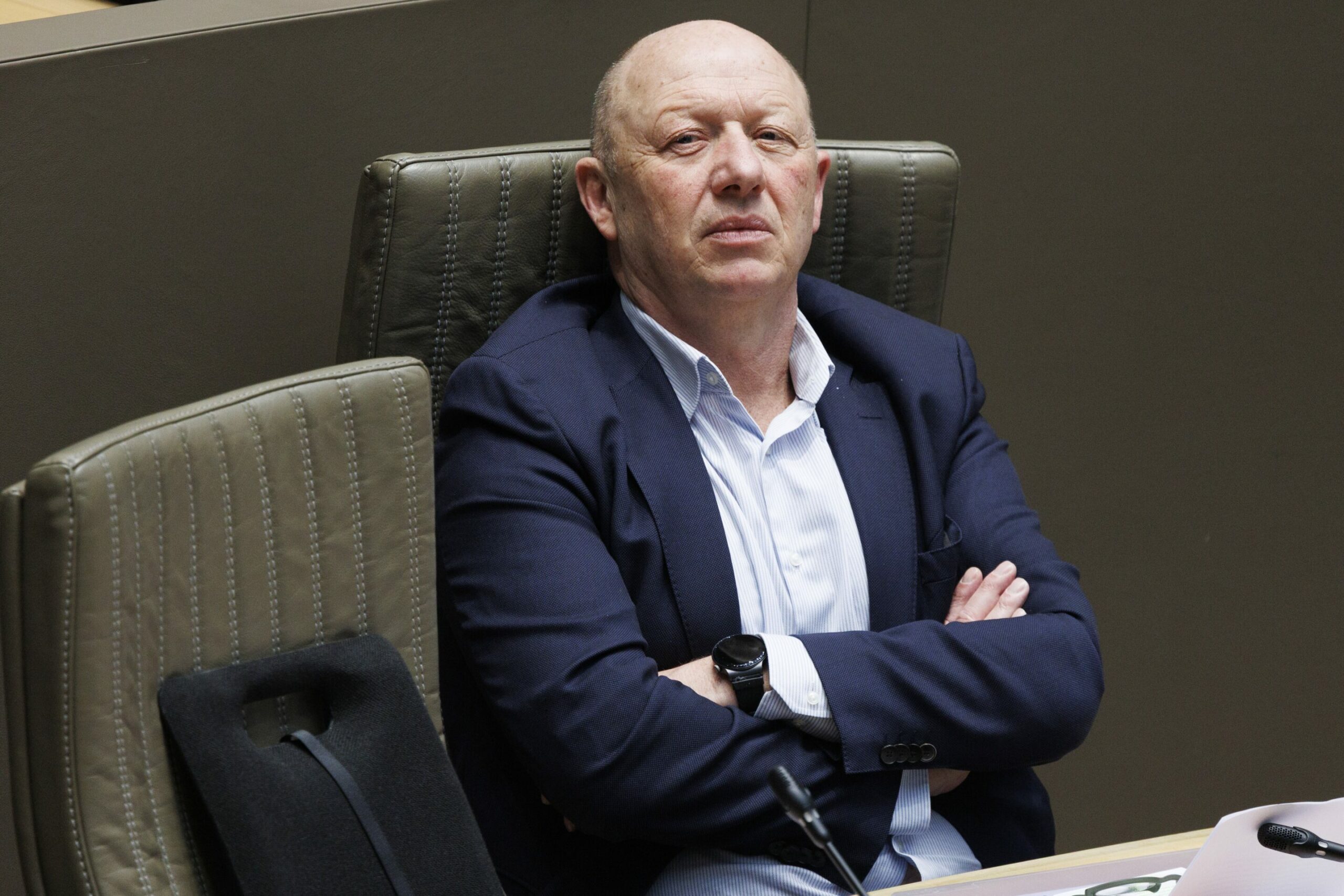
Flemish Minister for Housing and Energy Hans Bonte (Vooruit). Credit: Belga/Nicolas Maeterlinck
Flanders, Wallonia and the Federal Government have done their part, but they have to wait for the Brussels Government, which cannot seem to agree on what should be included in the region's Social Climate Plan.
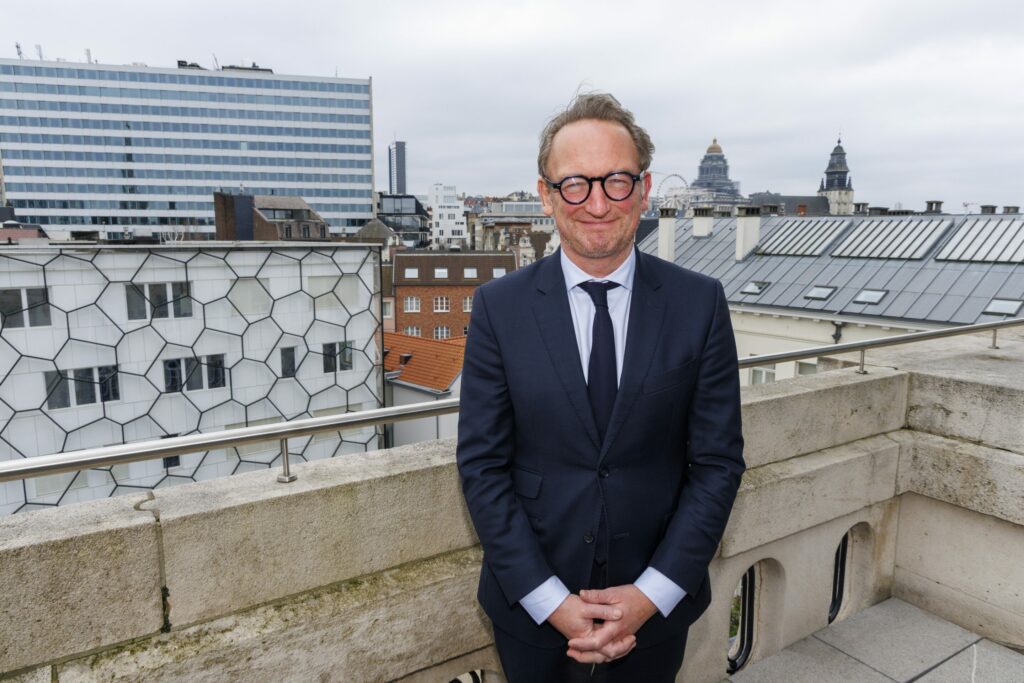
In the meantime, the delay in Brussels is getting on the nerves of Flemish Climate Minister Hans Bonte (Vooruit), who had previously urged the Federal Government and the Brussels Government to have their work completed by 15 June. While the Federal Government met that deadline, Brussels did not.
"We must help our families to use less energy and become independent of polluting and expensive energy from abroad," said Bonte. "The funds to support them in this are ready and waiting at the European Commission."
He thinks it is "incomprehensible" that the Brussels Government is "dragging its feet like this while an energy crisis is raging and people are paying more for their energy."
'Political game'
Several parties in the Brussels Government had hoped to finalise the Brussels plan last Thursday, but the Francophone liberal MR party (which is leading the coalition with Minister-President Boris Dilliès) reportedly prevented that from happening.
A government source even told VRT that the file has "turned into a political game".
In Brussels, an estimated 10% of households live in energy poverty, and many homes are poorly insulated. As several parties have pointed out, the €226.5 million earmarked for the capital would come in very handy.
In addition to shooting itself in the foot by delaying, the Brussels Government is also holding up the rest of the country: the European Commission called for a single Social Climate Plan for all of Belgium, and does not want a series of regional plans.
When The Brussels Times approached the cabinet of Brussels Minister-President Boris Dilliès (MR) for a reaction to the delay, a spokesperson said they would stick to their previous comment: "We are in the final stages: MR wants to ensure that the proposed measures are effective and proportionate."
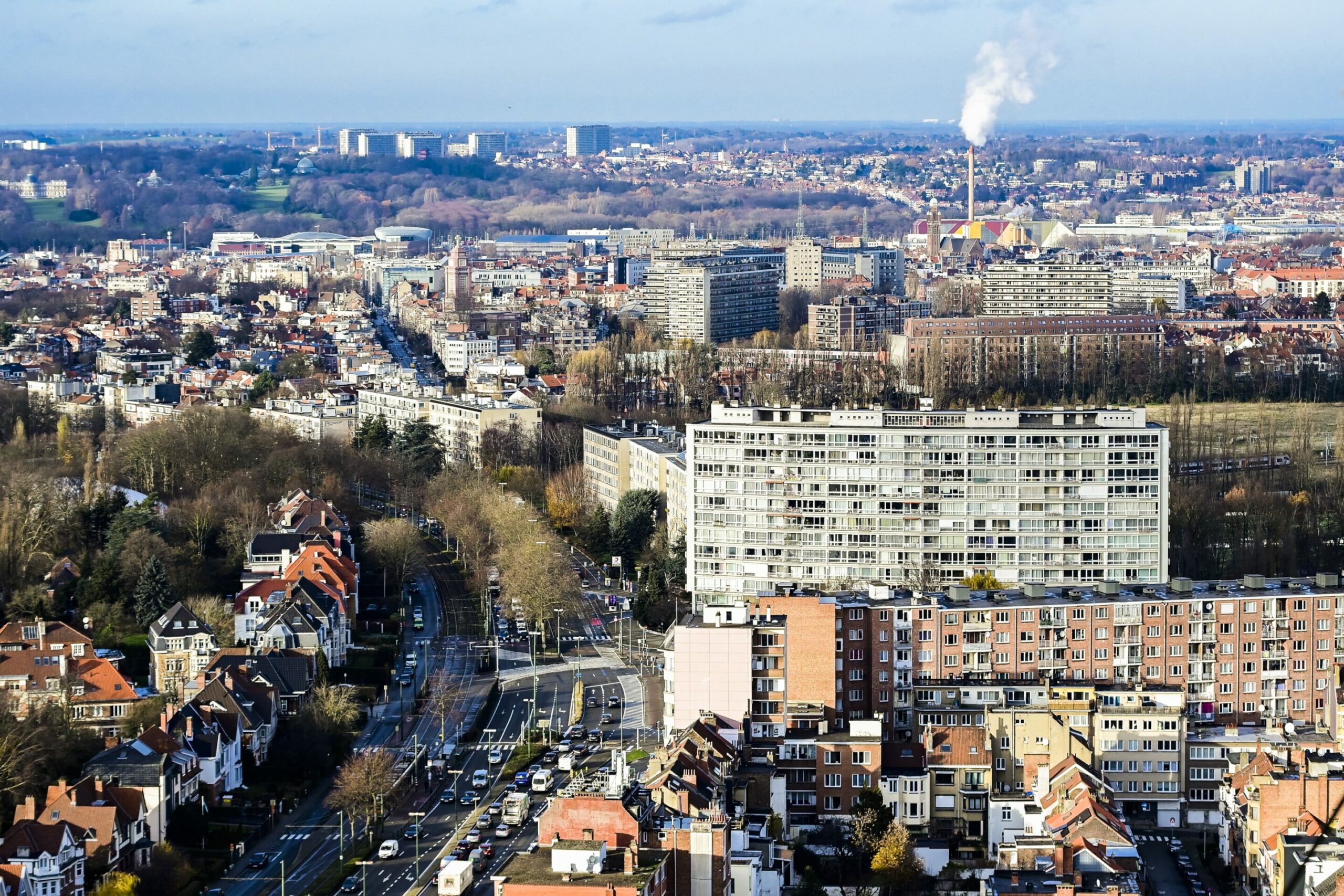
Aerial photo of Brussels. Credit: Belga/Laurie Dieffembacq
The change of leadership in Brussels several months ago has complicated matters. After a standstill of more than 18 months during the difficult coalition negotiations, the new MR-led government has different priorities from the previous one, which was led by the Francophone socialist PS.
"The previous government had already drawn up a list of measures. But the new government is struggling with certain elements that build on the previous government's policy. Those have been removed," Rune Sterckx, a PhD researcher in Climate Policy at the University of Antwerp, told VRT.
After the Social Climate Plan has been submitted, the European Commission will still need around four months to evaluate it before the money flows into Belgium. "So there is certainly reason to act quickly," Sterckx said.
Belgium, along with Hungary, was one of the only countries to stand in the way when the Member States voted on the Social Climate Plan, she pointed out.
"At the time, that was because Flanders was putting the brakes on. So it is interesting that Flanders is now the one that's ready."
