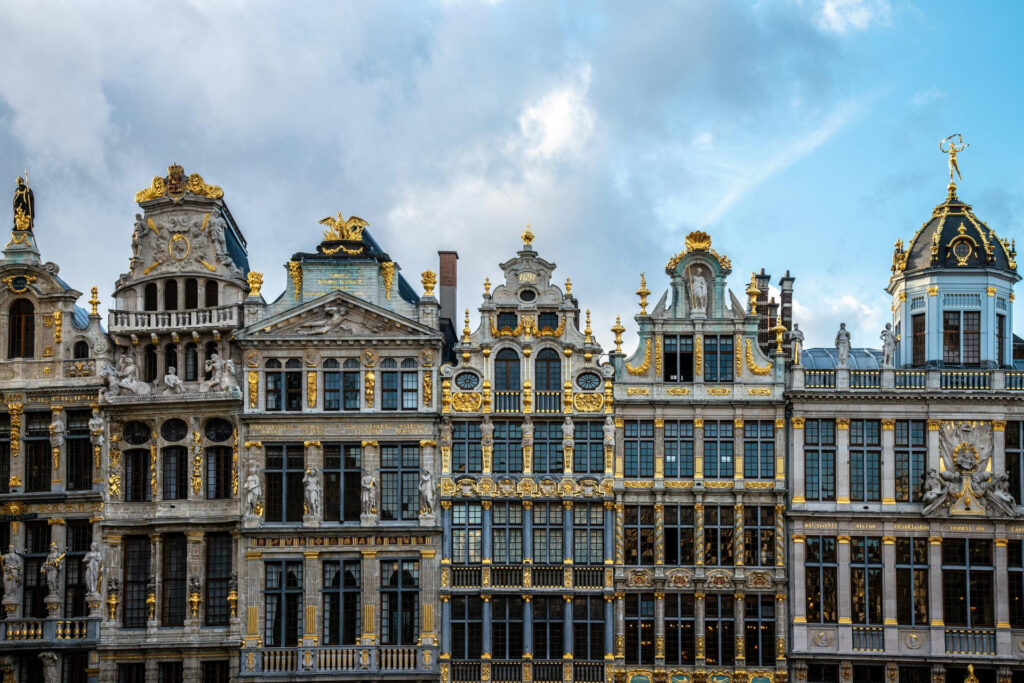
Live-out landlords will pay around €360 more in property taxes for 2026 in the City of Brussels as the municipality seeks to raise more revenue, according to a report by Le Soir.
Property tax, which is charged to owners of real estate, is calculated based on the rental value of the property in 1975 with an index to reflect current values – the so-called cadastral income. Belgium's regions apply a base rate – which, in the Brussels-Capital Region, amounts to 1.25% – and provinces and municipalities, such as the City of Brussels, then apply their own surcharge expressed in cents on the base rate.
The City of Brussels, which has around 1 in 6 of the Brussels-Capital Region's overall population, will increase its share of the indexed value by 17% for the 2026 tax year in a bid to raise additional finances for its budget. In absolute figures, this moves the surcharge from 2,950 to 3,457 cents on the précompte immobilier.
"We are bearing the full brunt of Arizona’s anti-social measures, which are having a direct impact on the council’s finances, as well as the prolonged instability in the Brussels Region," Anas Ben Abdelmoumen (PS) the commune's councillor for finance told Le Soir.
The stated aim of the tax change is to reduce the tax burden on homeowners who live in their property, as well as balancing the budget.
In order to target the effect of the tax, homeowners who live in their property will see the tax rise automatically offset by tax authorities. In addition, an allowance from the commune will reduce the property tax by a further €100.
Effect on rents "will probably be limited"
The estimated increase for live-out landlords as a result of the tax rise in the commune is "around €30 a month" according to Abdelmoumen, with Le Soir reporting fears of a knock-on increase in rents.
However, the Confederation of Real Estate Professionals (CIB) spokesperson Kristophe Thijs claimed that the direct short-term impact on rents will probably be limited.
"In Brussels, rents are primarily determined by market conditions: the persistent imbalance between supply and demand remains the dominant factor," Thijs told The Brussels Times. "A higher property tax on its own is unlikely to trigger an immediate increase in asking rents, especially in a market where landlords cannot simply pass every additional cost on to tenants."
Credit: Belga
Thijs highlights the long-term effect, which may make Brussels less attractive for residential investment. "If investment slows and rental supply becomes even more constrained, that could indirectly put further upward pressure on rents. In that sense, the effect is more structural than immediate."
Le Soir reports that the tax change is expected to raise €44.8 million, with €7.4 million being lost through offsets and allowances. This is against an overall tax intake for the City of Brussels of €1.2 billion.
In addition to the tax change, the previously announced reduction in communal income tax from 6 to 4.9% will go ahead, costing €5.5 million in lost revenue.
Only 30% of properties are owner-occupied in the City of Brussels
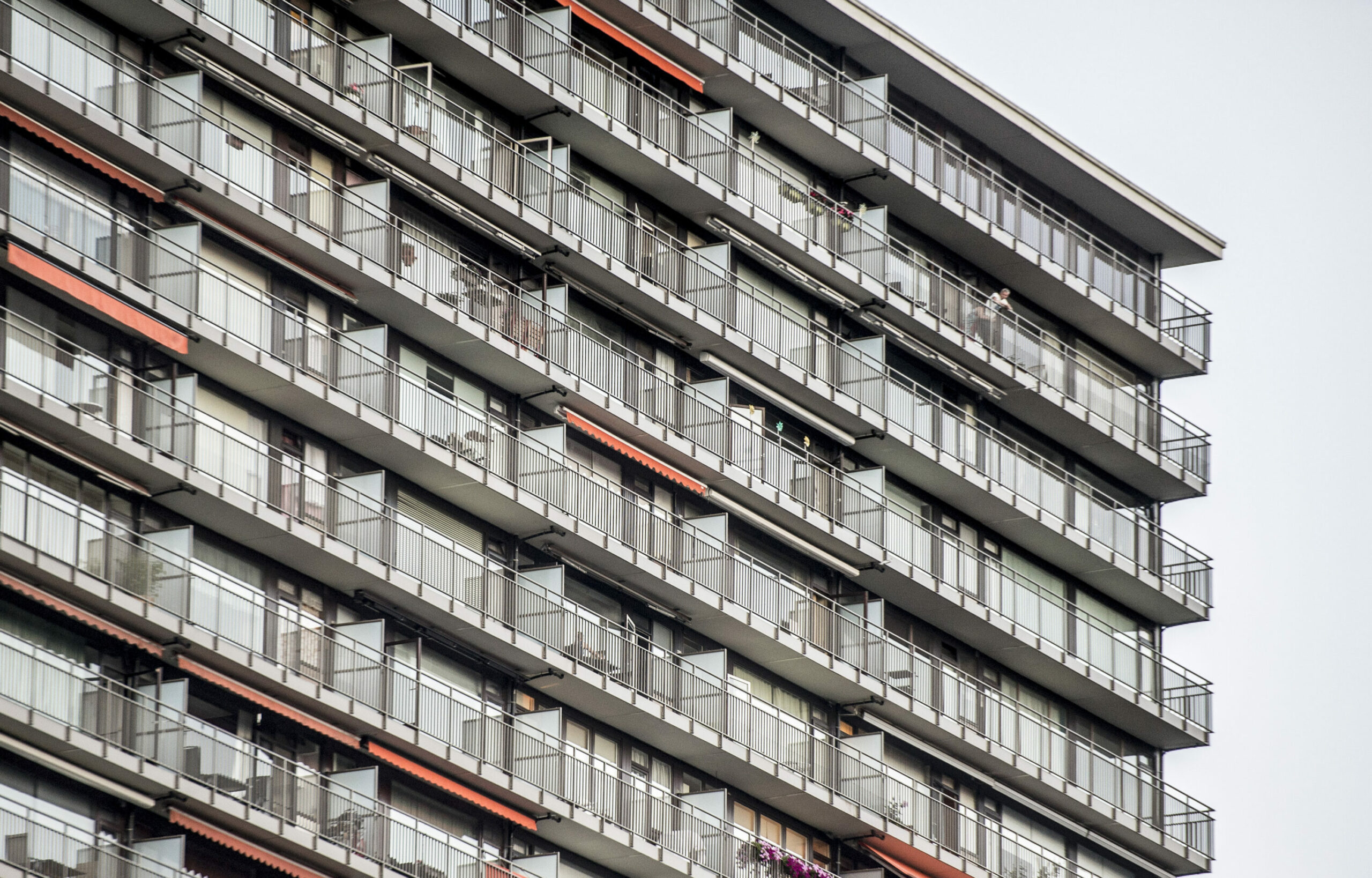
Overall, in the City of Brussels, 30% of properties are owner-occupied according to the most recent census data, placing the commune in the top 5 communes across Belgium with the smallest share. This is just behind Saint-Gilles (26.5%), Ixelles (26.6%) and Saint-Josse-ten-Noode (26.9%).
Across the Brussels-Capital Region, on average, around 38% of properties are owner-occupied, according to the same census data. This stands in contrast to Flanders (69.8%) and Wallonia (63.8%).
That sizeable share of rented homes presents a unique opportunity to increase tax revenue without increasing the costs for inhabitants. However, Thijs raised a warning about the increasing use of property as a tax base.
"We are concerned about the cumulative fiscal pressure on housing investment. Brussels already has one of the highest property tax burdens in Belgium, and municipalities are increasingly using the property tax as a budgetary lever."
Abdelmoumen views the tax change as one that is "both pragmatic and ideological. Those who benefit from the city, its appeal and rising rents must contribute to it."
