
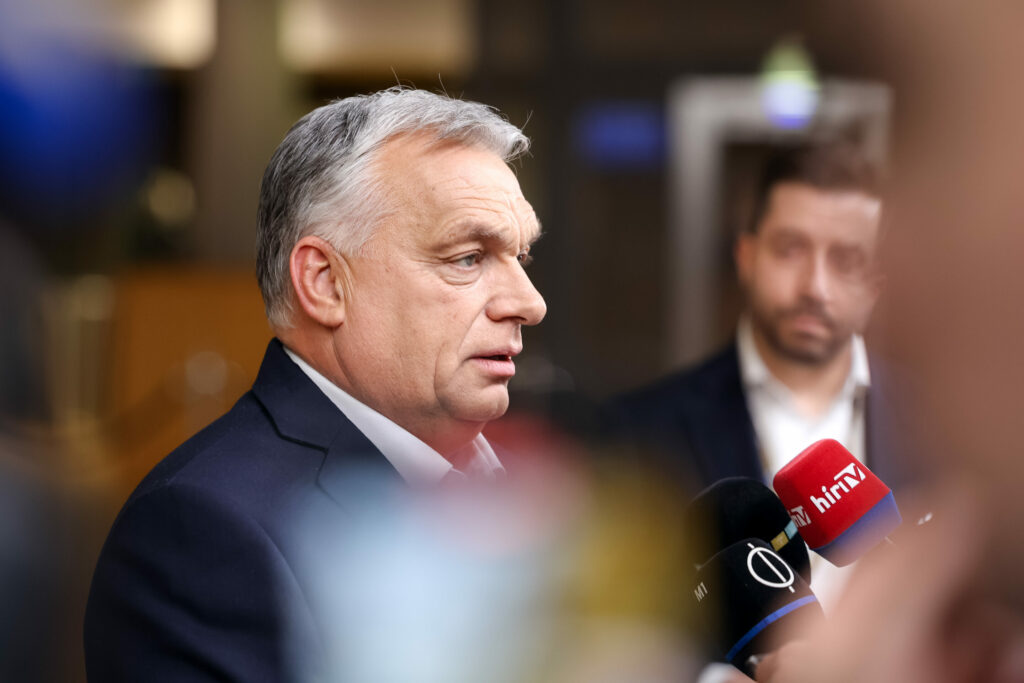
A German MEP and vocal critic of Hungarian Prime Minister Viktor Orbán has accused Hungary of paying over €1 million to spy on him.
Daniel Freund from the European Greens is a leading anti-corruption and pro-transparency advocate in the EU, and has sat in the European Parliament since 2019. He told The Brussels Times he was "shocked" that Budapest thinks he is "so dangerous" that it would go to such lengths to allegedly monitor him.
Freund was recently notified of an attempt to hack his electronic devices with spyware by the European Parliament’s IT services. The attack took place during the European election campaign in 2024, where an unsuccessful attempt to install spyware on his devices was discovered.
In a statement announcing he had filed a criminal complaint in Germany, Freund said there were indications from the European Parliament’s IT experts that Budapest could be behind the attack.
At the time of publication, the Hungarian government had not responded to a request for comment on this matter.
A vocal critic of Orbán
The Green MEP has been a vocal critic of the Hungarian government in the EU, having successfully campaigned for more than half of all EU funds for Hungary to be frozen. He has often been criticised publicly by Viktor Orbán.
"What I was most shocked about is when the services of the Parliament told me what such an attack costs: installing it on a single device costs about $1.5 million [€1.3 million]," Freund told The Brussels Times.
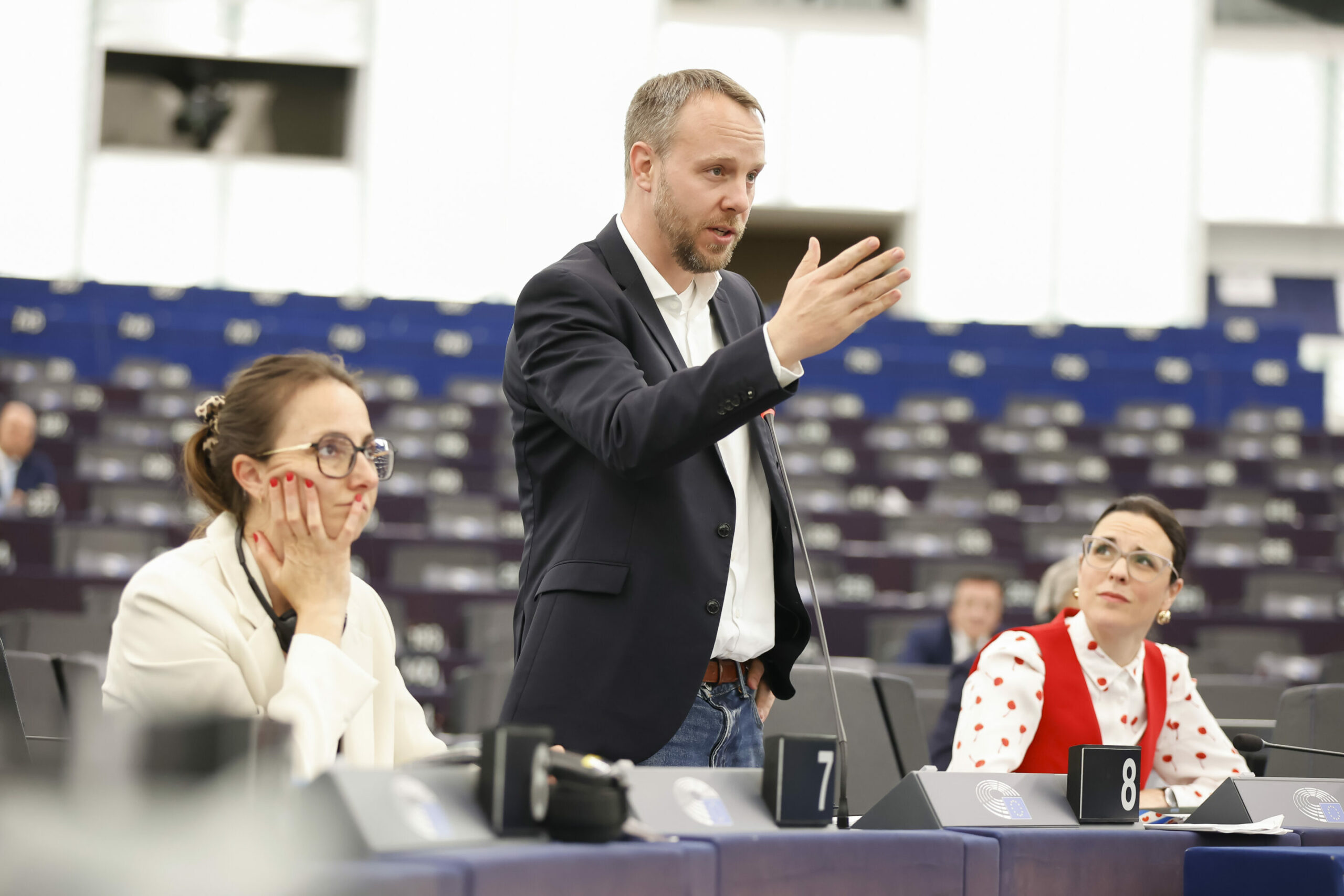
German MEP Daniel Freund (Greens/EFA) speaking in plenary in Strasbourg. Credit: EU
"The fact that they would go to such lengths to obtain information about where I am, what I do or whatever it was they were seeking – that's a bit of a different dimension, right? So, I was shocked about that."
The attack was carried out using spyware from the Tel Aviv-based provider Candiru, which is also used by Hungarian authorities, according to Freund.
In his statement, Freund said that the spyware attack "was a further escalation" to Orbàn’s frequent personal attacks against him. If the spyware attack had been successful, they would have gained full access to the MEP's mobile phone without his knowledge.
"They could have accessed the camera, the microphone, geolocation at any point in time, any data that goes through my phone – be it calls, emails, my full agenda, everything, basically," Freund said.
'Dangerous enough'
Yet the biggest danger of these attacks was not against himself, he maintains, but for sources which trust him, particularly Hungarian – to send confidential material. He says there was nothing in his personal life which could have been used against him.
"I think this is more about having access to information," he said. "Or maybe they just wanted to know what else is coming, see what else my plans are on Hungary, on Orbán."
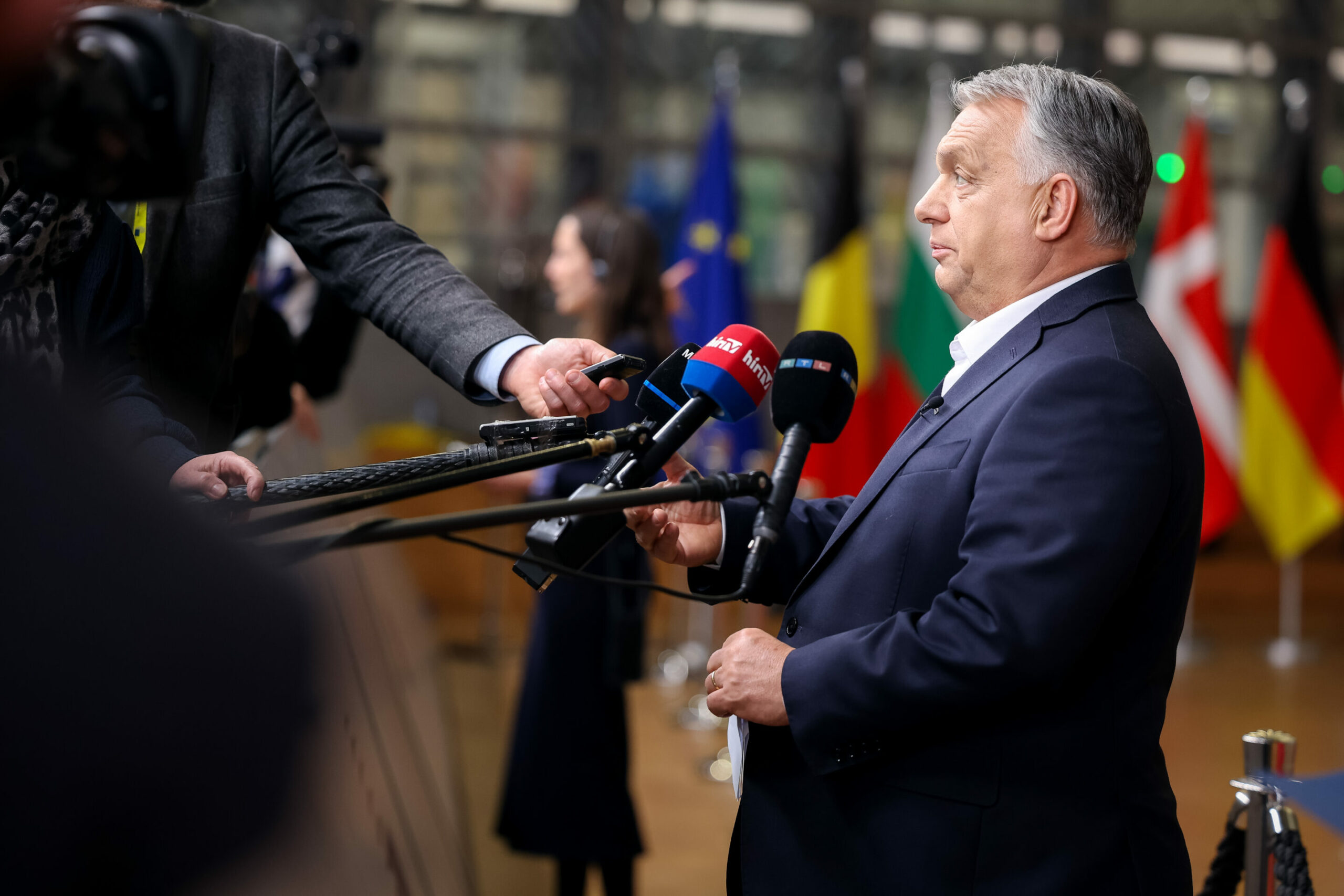
Hungarian Prime Minister Viktor Orbán speaks to the press at the European Council in Brussels. Credit: EU
"This is all pure speculation, but I would have thought that my work is transparent enough not to warrant such financial investments – but apparently they think I'm dangerous enough to put this kind of money on the table."
The fake email flagged by the European Parliament’s IT Services was purportedly from "a Ukrainian student". Nothing suspicious was initially noticed by Freund’s staff, who receive hundreds of emails every day. Luckily, the staffer who opened the email did not click on the link.
His office would have had no way of knowing that the email link could successfully infected his devices with the Israeli spyware Candiru. Either way, he was surprised at how quickly the Parliament’s services picked it up.
Belgium's role?
Freund is filing a formal complaint to German prosecutors, although he is not sure whether he will also file a complaint with the Belgian authorities.
"I don't have any concrete thoughts about this. I have to admit, when I got the attack first, I obviously fully cooperated with the parliament services," Freund said.
"I also passed on all the information at the time also to the Bundesverfassungsschutz, Germany's domestic intelligence agency, just to provide them with all the information that I had," he added.
His criminal complaint in Germany was filed thanks to the help of the German NGO Society for Civil Rights (GFF), which specialises in filing lawsuits related to digital rights.
"Without their legal support I would not have been able to file the complaint, so if someone wants to help me do this under the Belgian system as well, I am open," Freund said.
He believes that his case shows how sometimes MEPs, with their cross-border work here at the EU institutions in Belgium and France but also in their home countries, can "fall through the cracks".
"There's a bit of responsibility for the Germans, given that I'm a German MEP. There's a bit of responsibility for the Belgians, given that the European Parliament is in Belgium. But actually, the servers over which the attack was done were based in Luxembourg – and sometimes Strasbourg," he added.
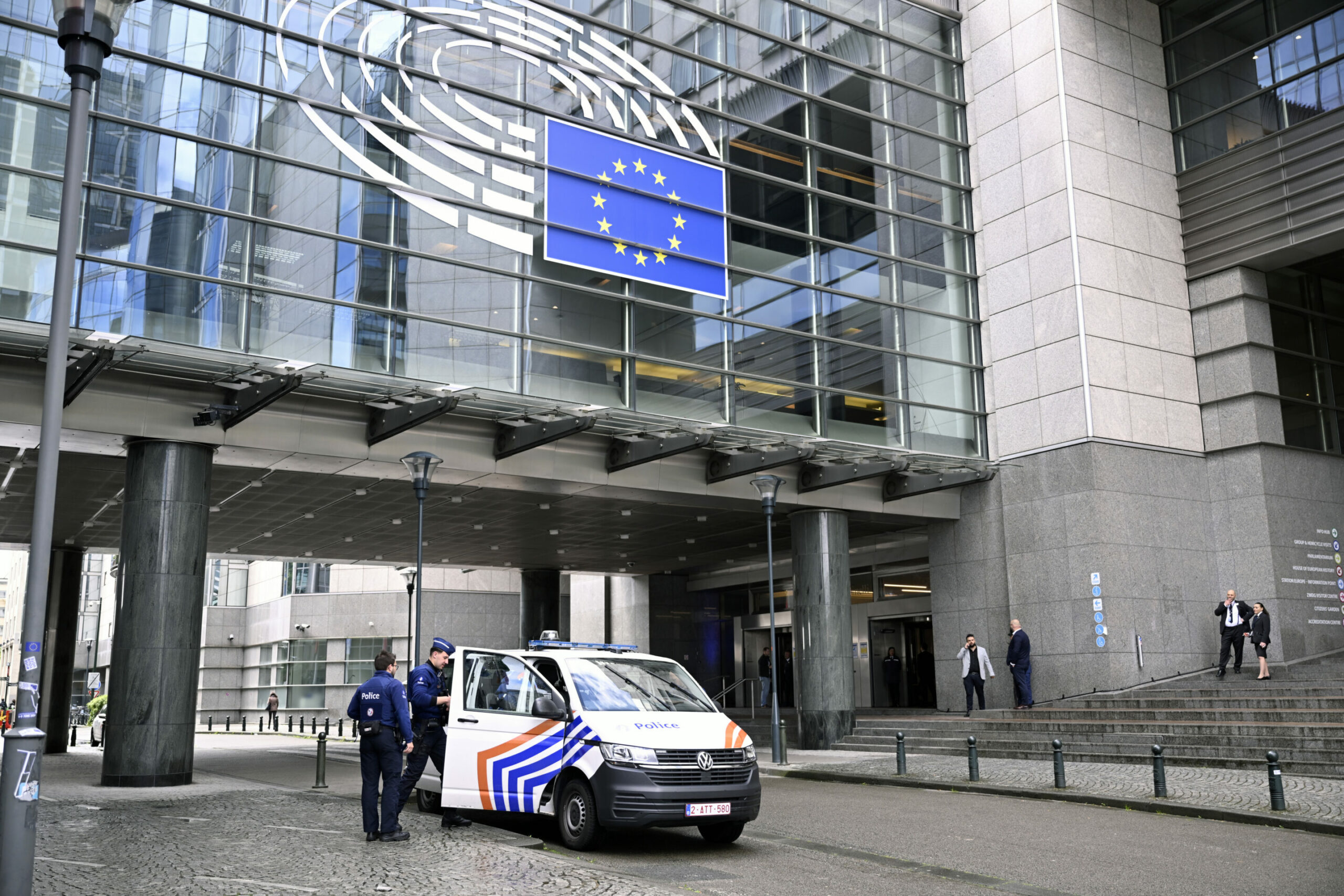
Illustration image shows police outside the European Parliament, Wednesday 29 May 2024 in Brussels. Credit: Belga / Laurie Dieffembacq
On this, Freund says he is not sure to what extent Luxembourgish, French, Belgian or German services cooperate on these matters. A strategic approach on protecting the EU institutions as a whole from spying attack is needed The recent sentencing of the parliamentary assistant of far-right German MEP Maximilien Krah was also cited as a reason for this.
"It’s not just one country, there's several that apparently spy on us, and might have informants or even spies based in the institutions. So we need protection and I'm not sure who is actually doing that. It’s also then part of the reason why I filed the lawsuit is to get the German authorities to think about these things."
Brussels - spy capital of Europe
Brussels has long been the unofficial spy capital of Europe, due to the presence of NATO and EU institutions. Belgian intelligence services cite "several hundred spies" being at work here, often working undercover as journalists, lobbyists, diplomats and even foreign students.
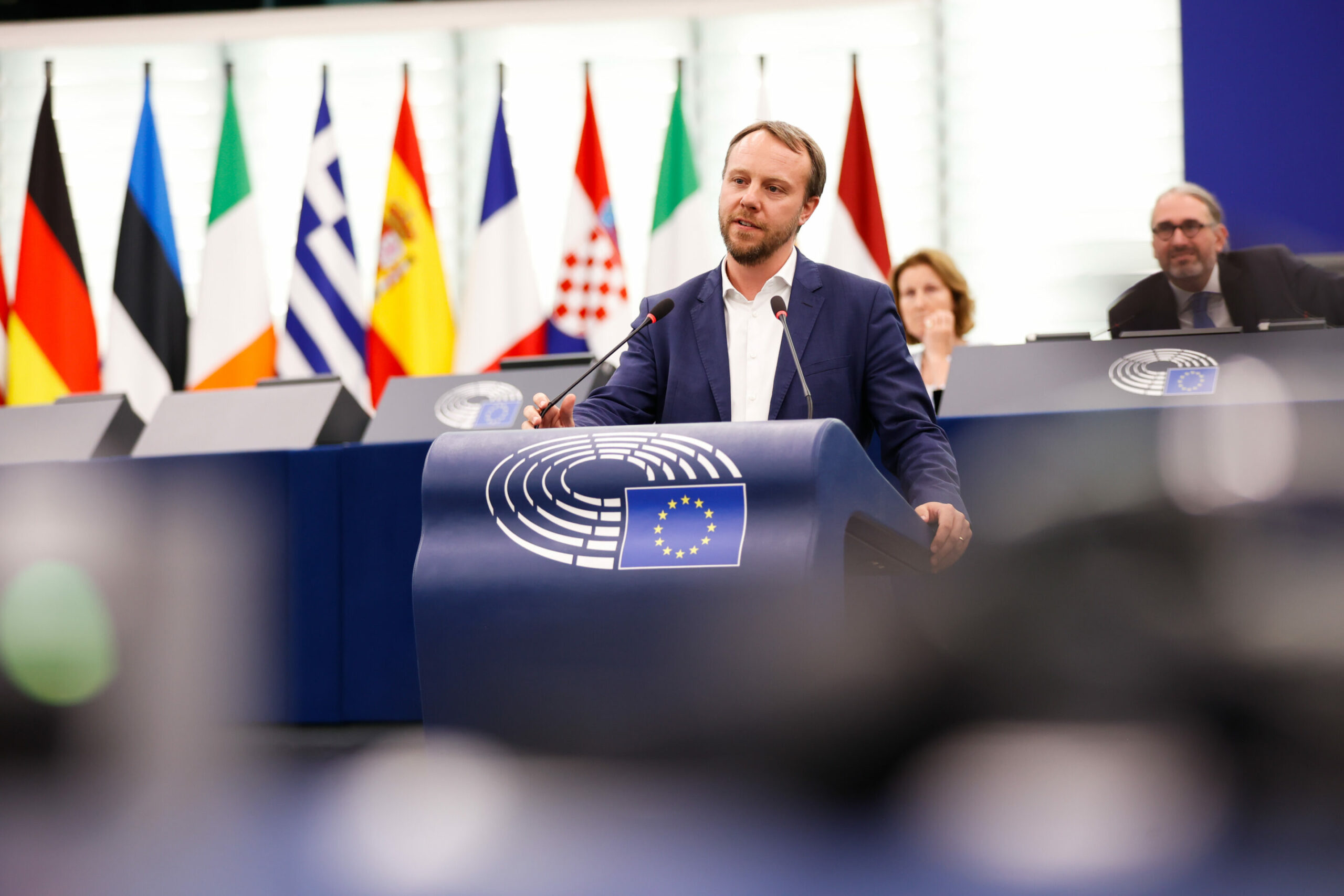
German MEP Daniel Freund speaking at the European Parliament. Credit: EU
When it comes to the Belgian authorities, Freund believes they should play a role in protecting MEPs and other figures working in Brussels, but does not have much faith in Belgium’s authorities, particularly in light of the Qatargate corruption scandal.
"For the time being, we are under the umbrella of the Belgians. And I don't know – Qatargate was over two years ago. The Belgian services were involved in the investigation, but who knows whether it will ever come to court or convictions."
Another spying scandal
Last week, another EU spying scandal engulfed the Hungarian government after it emerged Budapest had tasked agents to infiltrate and spy on EU institutions, which began around 2015 and continued up until the recent Hungarian Council of the EU Presidency in 2024.
Hungarian State Secretary Zoltán Kovács dismissed the reports in a post on social media as a "smear campaign against Hungary’ orchestrated by "foreign intelligence services".
The Brussels Times contacted the office of the Hungary's EU Mission in Brussels but did not immediately respond to a request for comment.
