Disrupted fossil fuel import supplies from the Middle East are going to drive up prices and hit Europe where it hurts. Government leaders are being asked to stand firm, not panic and not do anything that might disrupt the entire market further.
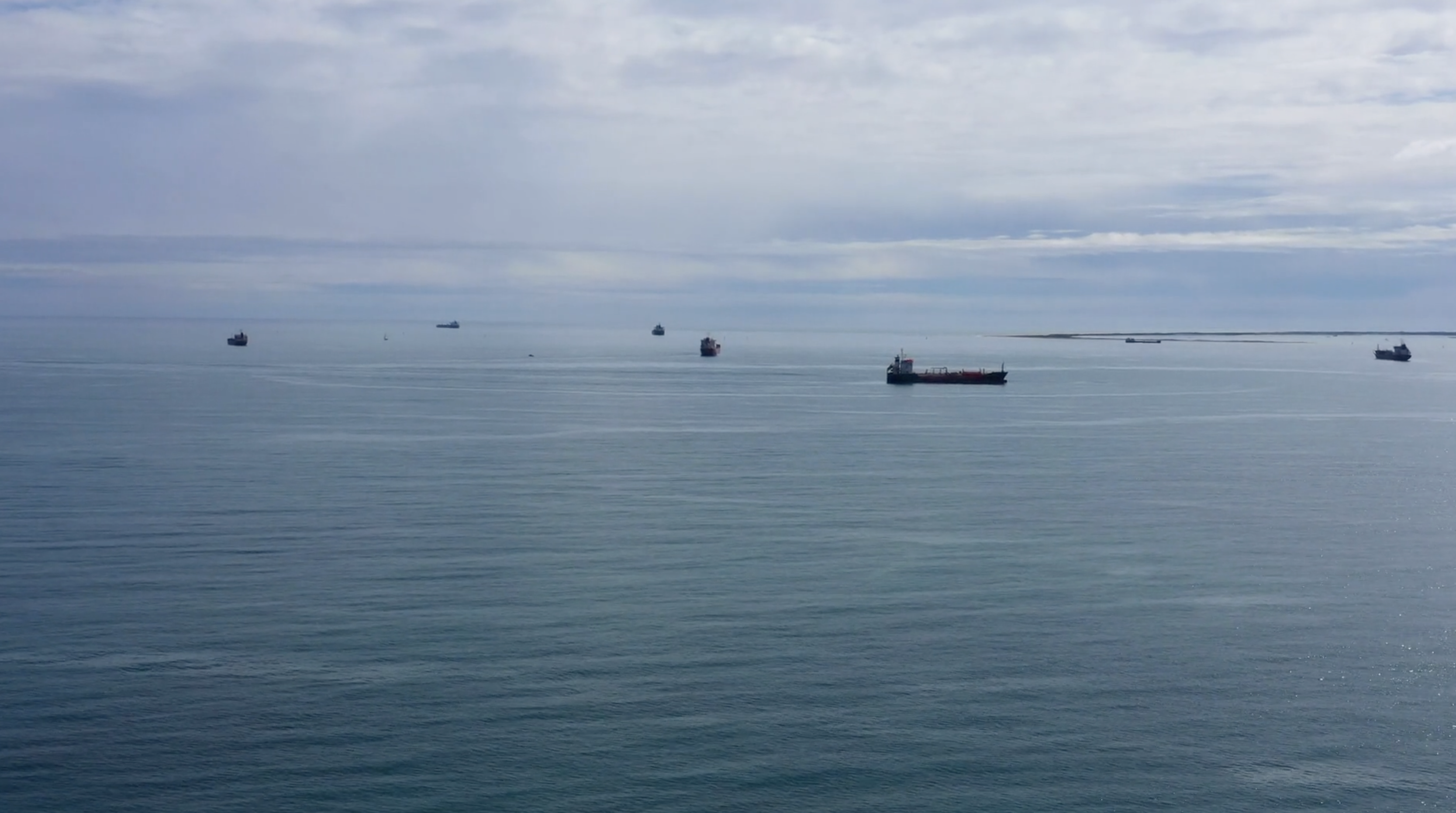
There appears to be no end in sight for the ongoing chaos in the Strait of Hormuz. Even if the waterway were to open fully right now, the disruption already caused over the last 40+ days will be long-lasting.
Reduced supply means prices go up. That’s the simple part. How to mitigate the impact of those cost increases on billpayers though, is a far more complex nut to crack.
One policy measure that governments have used in the past and which some are even thinking about using during this crisis is a price cap. Billpayers are on the hook up to a point and then the gas is covered using revenues from windfall taxes or other sources.
But there are a number of reasons why price caps might do more harm than good. The first is that it does nothing to reduce demand at a time when people should be using as little energy as possible.
Take diesel and kerosene as two examples where shortages are being talked about very seriously. Irish truckers have already protested about it and Europe’s airlines lobby is warning about a shortfall of jet fuel.
Europe doesn’t have a lot of refining capacity for those fuels, so the continent’s ability to deal with disrupted supplies is less than it is for petrol. Capping energy bills insulates consumers from the urgency of that situation as there is no financial incentive to burn less fuel.
Another reason why price caps are problematic is that energy markets do not stop at the border. What one country does has a big impact on its neighbours, as history showed back in 2022, when Portugal and Spain capped fossil gas prices.
The ‘Iberian Exception’ – which was the name of the policy, not the latest Wes Anderson film – was granted by the European Commission and allowed the two countries to cap the price of gas used in electricity generation.
Power prices are set by the most expensive thing used to satisfy demand. If 10 wind farms are producing cheap electricity but one gas plant is needed to produce enough power to satisfy the market’s needs, then everybody gets the same price as the gas plant.
Portugal and Spain’s logic was that by reducing the price of the most expensive part of their energy market, gas, all of their cheap renewables like solar, wind and hydro would kick in and keep energy bills, not low, but lower.
And to an extent they were right. It did lower bills and electricity price inflation was mitigated. But there was a big catch. Spain and Portugal are connected to other countries by interconnectors, so that cheaper power was up for grabs.
Electricity flows to France, Andorra and Morocco increased, pushing up the price for Spanish and Portuguese consumers, as they were on the hook for paying for the Iberian Exception, through a surcharge on their bills.
It also did nothing to reduce demand for gas. Quite the opposite, gas demand in Iberia increased by a quarter and across Europe it spiked by around 3%.
That is why this time around, the European Commission is adamant that governments must only implement support measures that are targeted toward people and businesses that really need it, and they must be time-limited.
Many countries are heeding that call, although it must be said that most of them are cautious of deploying universal support like a price cap largely because they simply cannot afford to pay for it.
Instead, governments are being urged to stay the course, not disrupt the market, leave carbon pricing alone and implement measures that will ensure this crisis is not repeated.
That includes reforming how electricity is taxed, how clean energy projects are permitted, how building renovation programmes are paid for and how investments in crucial power grid upgrades are promoted.
People will need support through the coming months. Aid will have to be granted to those that cannot afford these bills. The rest of us will have to grin and bear it, and hopefully take advantage of non-cap initiatives promoted by the government. Cheaper public transport, more cycling infrastructure and other policies are on table as well.
What’s the old adage? Only a fool does the same thing over and over again and expects different results? Hopefully that won’t be applicable to Europe this time around.
Want more updates and analysis of what is happening in the world of energy and climate? Interested in finding out more information about public tenders and consultations? Sign up to our Energy Rundown newsletter here!
