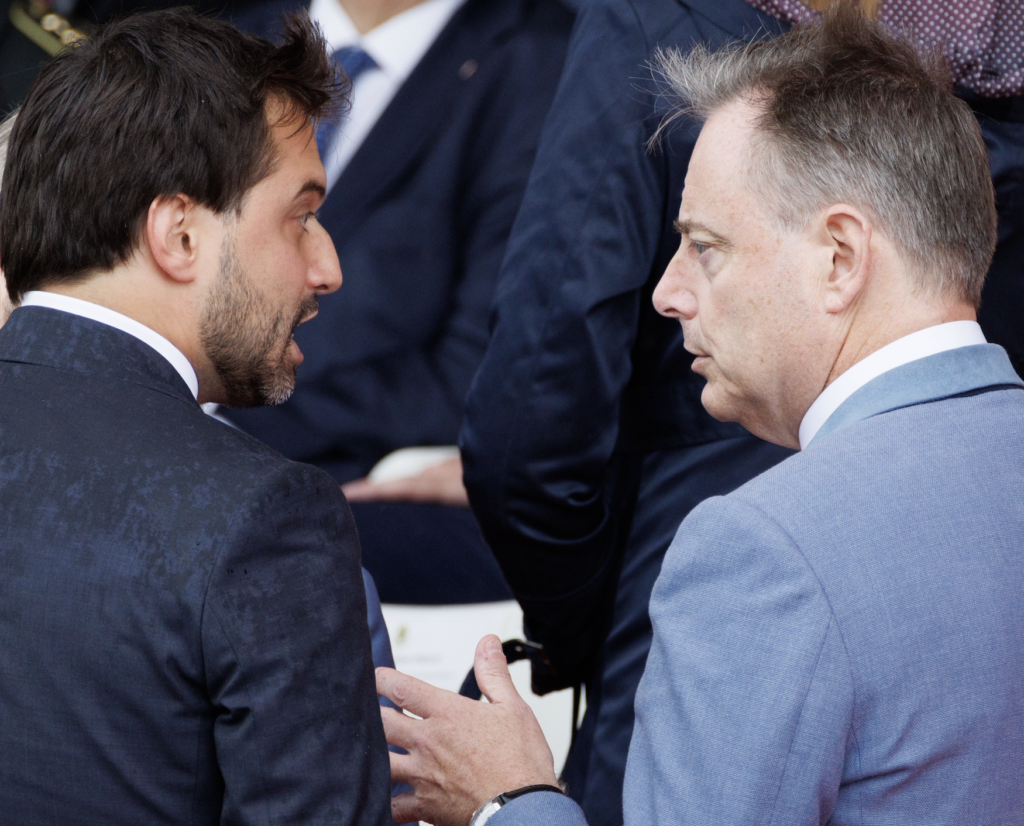
Ahead of the Federal Parliament's summer break, the Belgian Government struck an agreement on several contentious issues in time for the country's National Day.
From the import ban from the occupied Palestinian territories to the annualisation of working hours, and from minimum service levels in prisons to the introduction of the family credit scheme, over 70 proposals were reviewed.
With these agreements in place, the federal ministers can go on holiday. But when they return, an even greater challenge awaits them: they must find €10 billion by 2029 to balance the budget.
Here is an overview of what was given the green light.
Family leave
Five days of leave per child and per family will be added on top of the existing maternity and paternity leave (in the case of multiple births, this amounts to five days for each child).
This applies to employees, civil servants and the self-employed, and can be taken retroactively, for births from the start of this year.
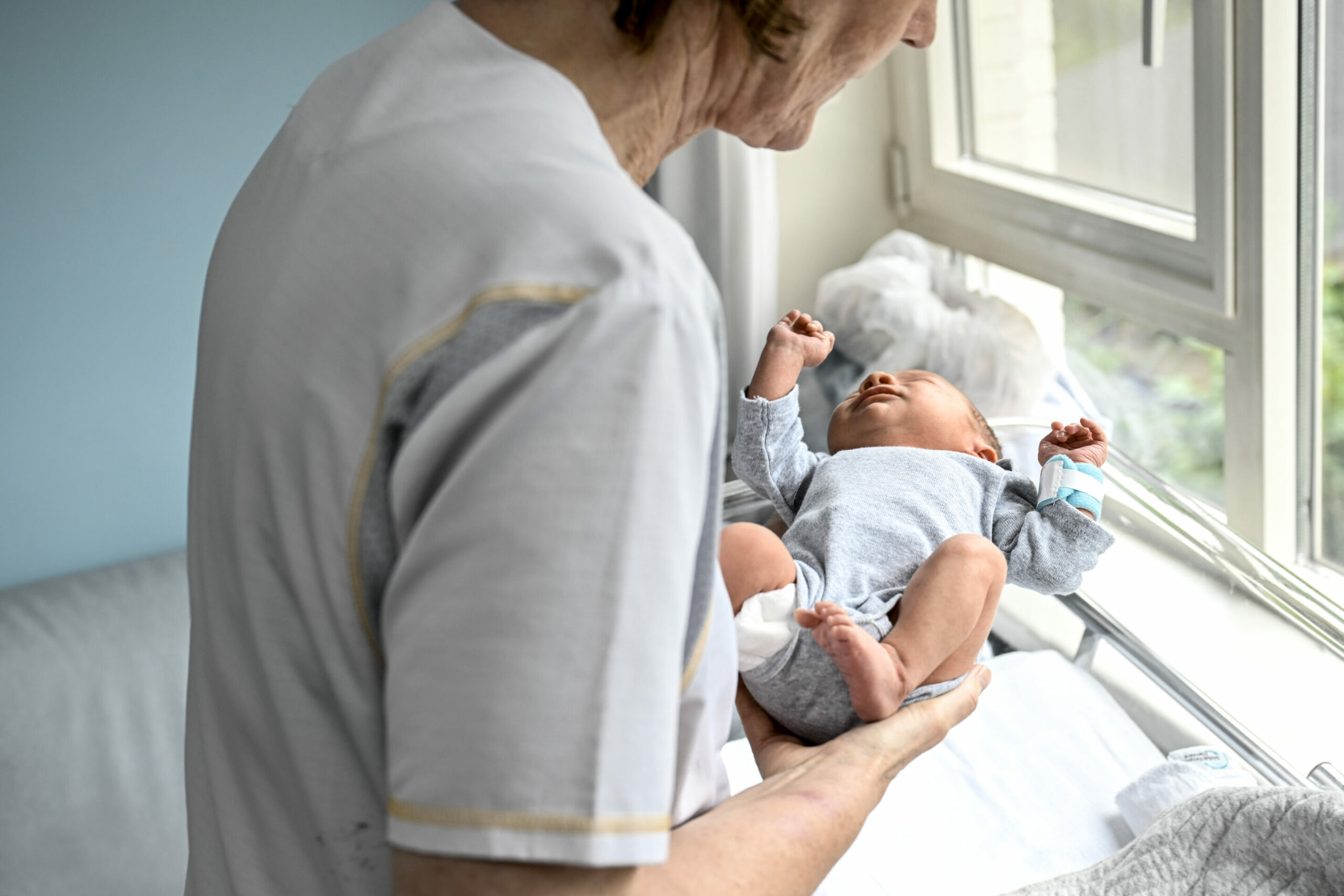
A nurse holds a baby in the maternity department in the Imelda hospital in Bonheiden on, Thursday 17 August 2023. Credit: Belga/Dirk Waem
These five days can be taken separately or all at once during the first year following the birth. The days are initially allocated to the father (or co-parent), but parents can ultimately decide for themselves who takes them.
During the leave, the parent will receive a flat-rate daily allowance, regardless of their salary or professional income. The amount and practical arrangements have not yet been communicated, and will be set out in a Royal Decree.
Annualisation of working hours
The new annualisation system will ensure that working time is no longer calculated every week, but on an annual basis. This should enable employers in certain sectors, such as tourism or leisure, to cope better with seasonal fluctuations – without necessarily having to resort to temporary redundancies.
The annualisation guarantees the same wage every month, regardless of the number of hours worked that month. The system can only be applied with the employee's explicit consent.
For employees, the reform offers the opportunity to adapt their work pattern to their private life.
Import ban on products from the occupied Palestinian territories
A ban will be introduced on the import of products from the Palestinian territories occupied by Israel.
The decision amends a Royal Decree of 30 December 1993 and introduces specific regulations for goods from Israeli settlements in the territories occupied by Israel, including the West Bank, East Jerusalem, and the Gaza Strip.
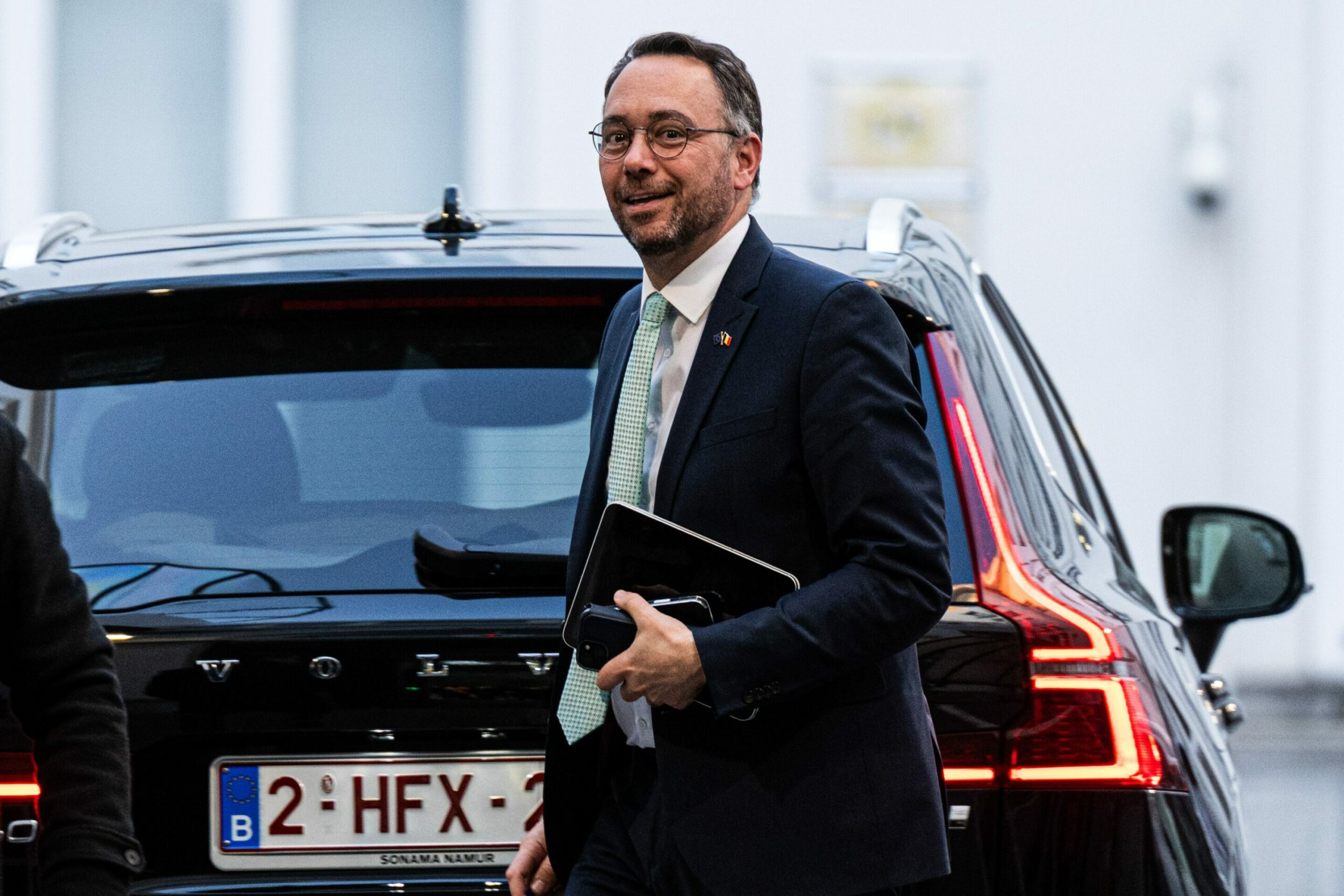
Vice-Prime Minister and Minister of Foreign Affairs Maxime Prévot. Credit: Belga / Emile Windal
The mechanism provides that any import authorisation shall be systematically refused as soon as the documentation shows, or it can reasonably be assumed, that the goods originate from an Israeli settlement in the occupied Palestinian territory.
Specific exceptions apply for Palestinian entrepreneurs and for humanitarian activities.
This ban was part of last summer's agreement, but could not move forward as it was politically linked to the annualisation of working hours for a long time.
Labour agreements for army and police
Minister for the Interior Bernard Quintin (MR) has confirmed that €60 million is being allocated to increase police officers' pay and make the profession more attractive.
This funding will enable the second phase of the sectoral agreement to be implemented. Negotiations with the trade unions, which have been ongoing since May, will continue to determine the exact allocation of the funds.
The labour agreement for the Defence Ministry includes allowances and compensation during exercises and operations, increased payments for weekend work and on-call duty, role-specific allowances, time credit measures, and initiatives relating to work-life balance and career prospects towards the end of their careers.
Increase in air passenger tax
A previously planned tax increase is being partially reversed: the current €5 boarding tax – also known as the 'flight tax' or the 'air passenger tax' – will not be increased to €10 for flights longer than 500 kilometres, but only to €7.
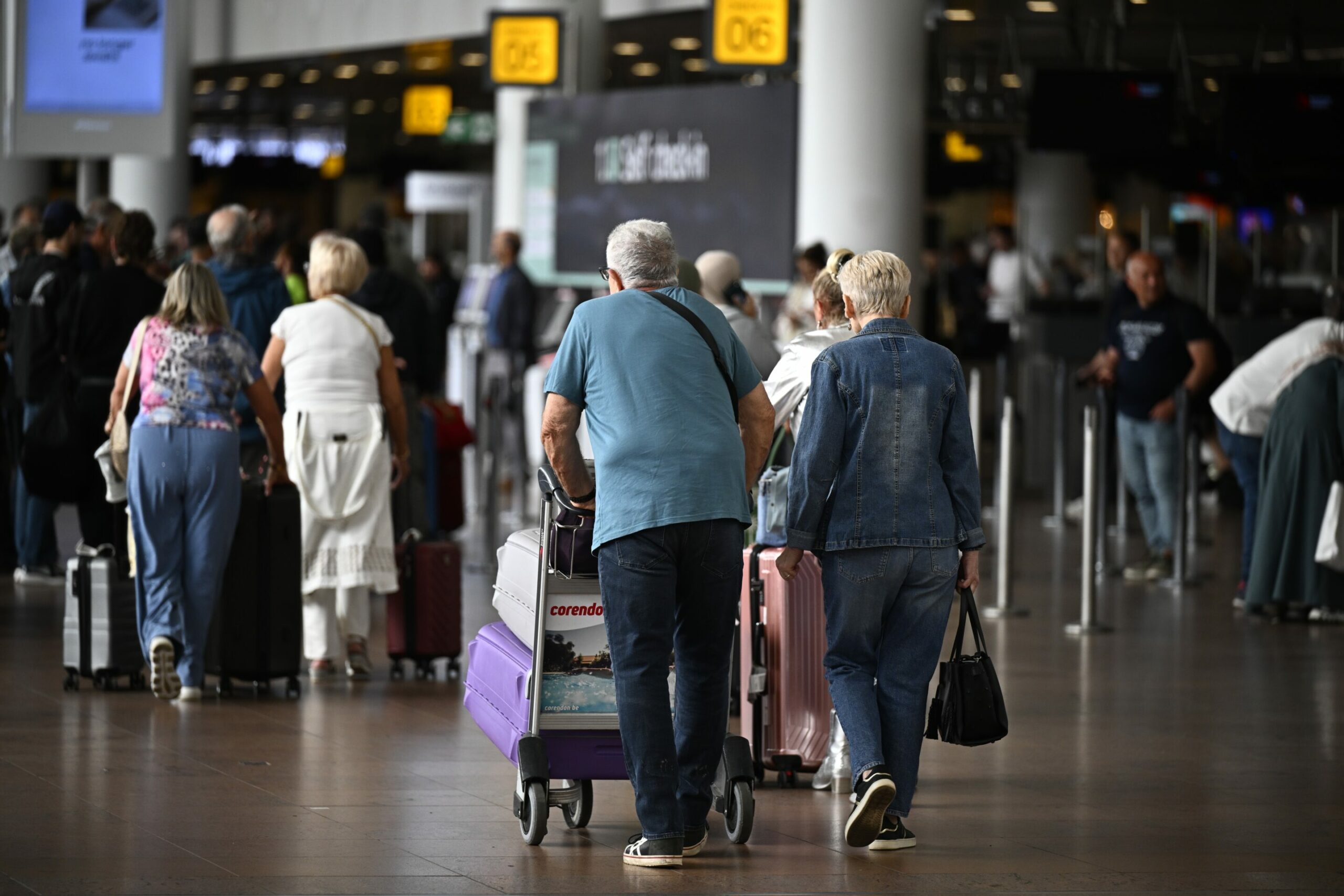
Stranded passengers pictured at Brussels Airport in Zaventem, Tuesday 02 June 2026. Credit: Belga/Jasper Jacobs
Ban on radical organisations
A preliminary draft bill that makes it possible to ban the activities of organisations or groups that "threaten national security or the foundations of the rule of law" has also been approved.
Last year, the Council of State had issued a critical opinion on the draft bill, which the Interior Affairs Minister Bernard Quintin (MR) has now taken into account.
Now, the text is limited to the possibility of imposing a very swift and temporary ban on the activities of radical and/or extremist groups or organisations.
Any permanent ban falls within the jurisdiction of the judiciary. An organisation that is solely of a political, trade union, philanthropic, philosophical or religious nature cannot be subject to an administrative ban.
Minimum service levels in prisons
Minimum service levels are to be introduced in prisons, even during short-term strikes. The decision follows the labour agreement that Justice Minister Annelies Verlinden (CD&V) reached with the trade unions to improve working conditions and make the profession more attractive.
Employment Minister David Clarinval (MR) described it as a "common-sense" measure.
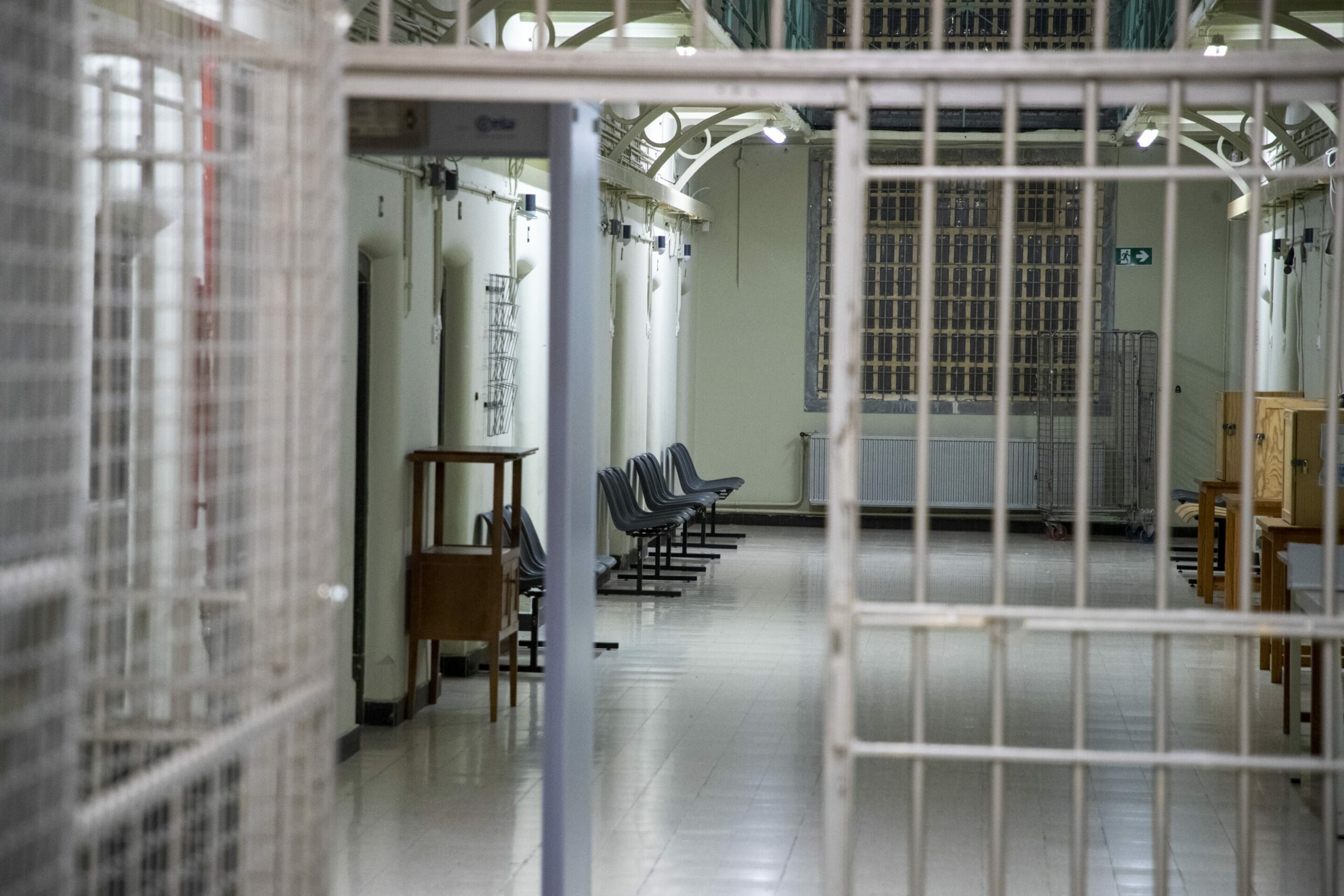
Illustrative image of a prison. Credit: Belga/Nicolas Maeterlinck
Privatisation of Belfius
The Federal Government is currently the 100% shareholder of Belfius bank, but wishes to sell off 20%.
However, the Francophone liberal MR party wants to link this issue to a merger with the insurer Ethias. Now, Finance Minister Jan Jambon (N-VA) will contact the regions to gauge whether they agree to sell their share, and will likely put forward a new proposal at a later date.
As a result, the matter is being postponed until later this year.
Tackling organised crime
A package of measures to further step up the fight against organised crime has also been approved at first reading.
From now on, investigating judges, public prosecutors and court clerks working on investigations into terrorism or criminal organisations, for example, will be better able to protect their identities. The aim is to ensure that they cannot be intimidated or threatened.
Restrictions are also being placed on the abuse of challenge procedures, which can delay major criminal trials. The procedures are being modernised and streamlined to prevent abuse.
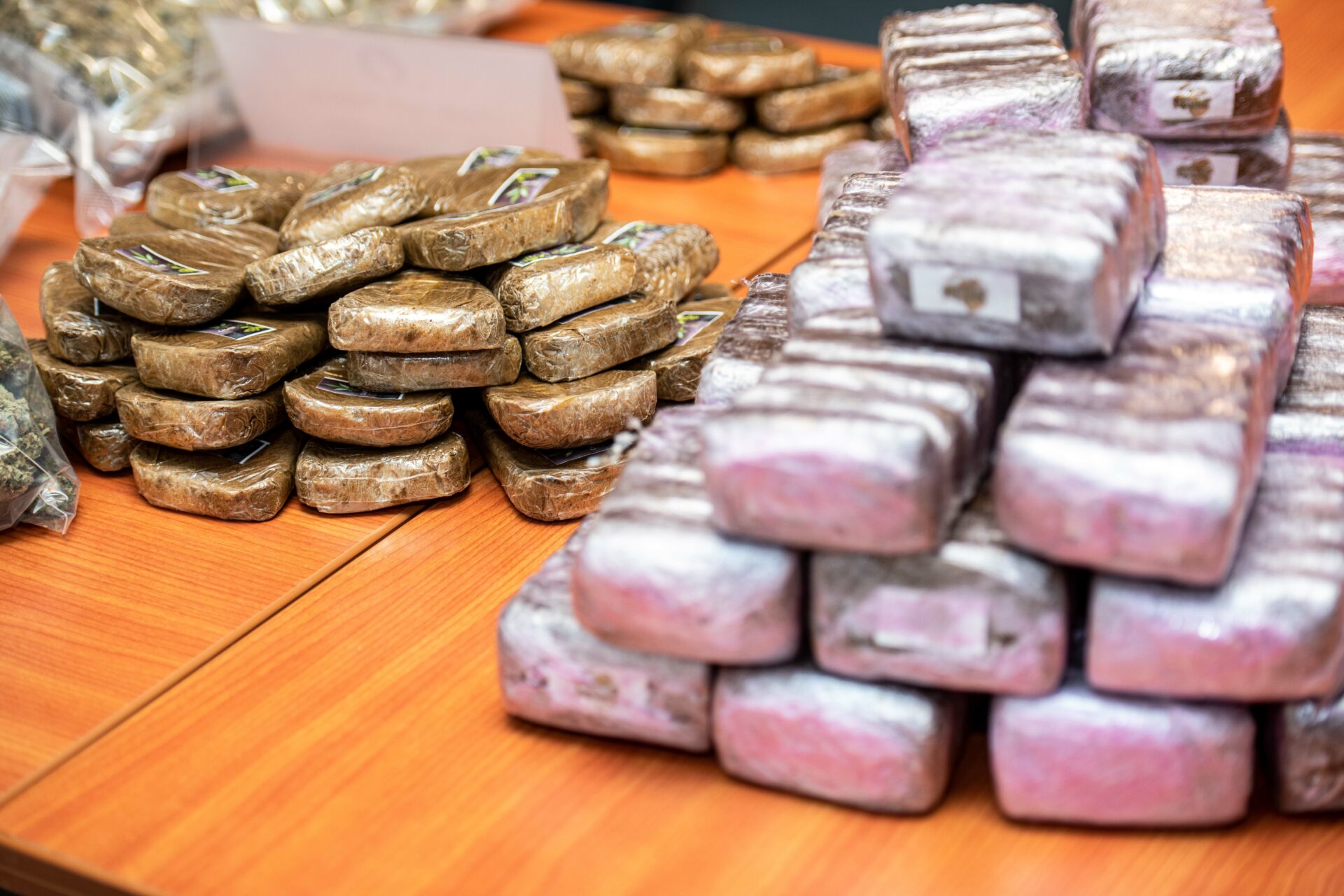
Credit: Belga / Jonas Roosens
Additionally, the Federal Government is also establishing specialised units in prisons for detainees with a high-risk profile and links to organised crime. A tailored and stricter detention regime will apply there.
Work is also underway on a scheme to require those convicted of serious offences relating to drug trafficking, human trafficking and organised crime to contribute towards the costs of their detention. The principle is that anyone who derives substantial profits from serious crime must also contribute to the costs that their detention entails for society.
Tackling shadow fleets and false documents
Sailing a merchant ship without a valid nationality or flag in Belgian waters will explicitly be made a criminal offence. This way, the Federal Government aims to take action against so-called shadow fleets that evade international rules and are increasingly being used to circumvent sanctions or facilitate illegal activities, in Russia's case.
The trade in travel and identity documents will also be tackled much more rigorously. Criminal organisations currently exploit this on a large scale. Existing legislation was insufficient to combat this.
Stricter penalties in and around football stadiums
The reform of the Football Act has also been approved, meaning all penalties are being tightened. The minimum amount of administrative fines is being doubled, from €250 to €500.
Acts of racism and xenophobia will be punished more severely as well: the minimum fine will rise from €1,500 to €2,000, and the minimum stadium ban period will be increased from 30 months to 3 years.
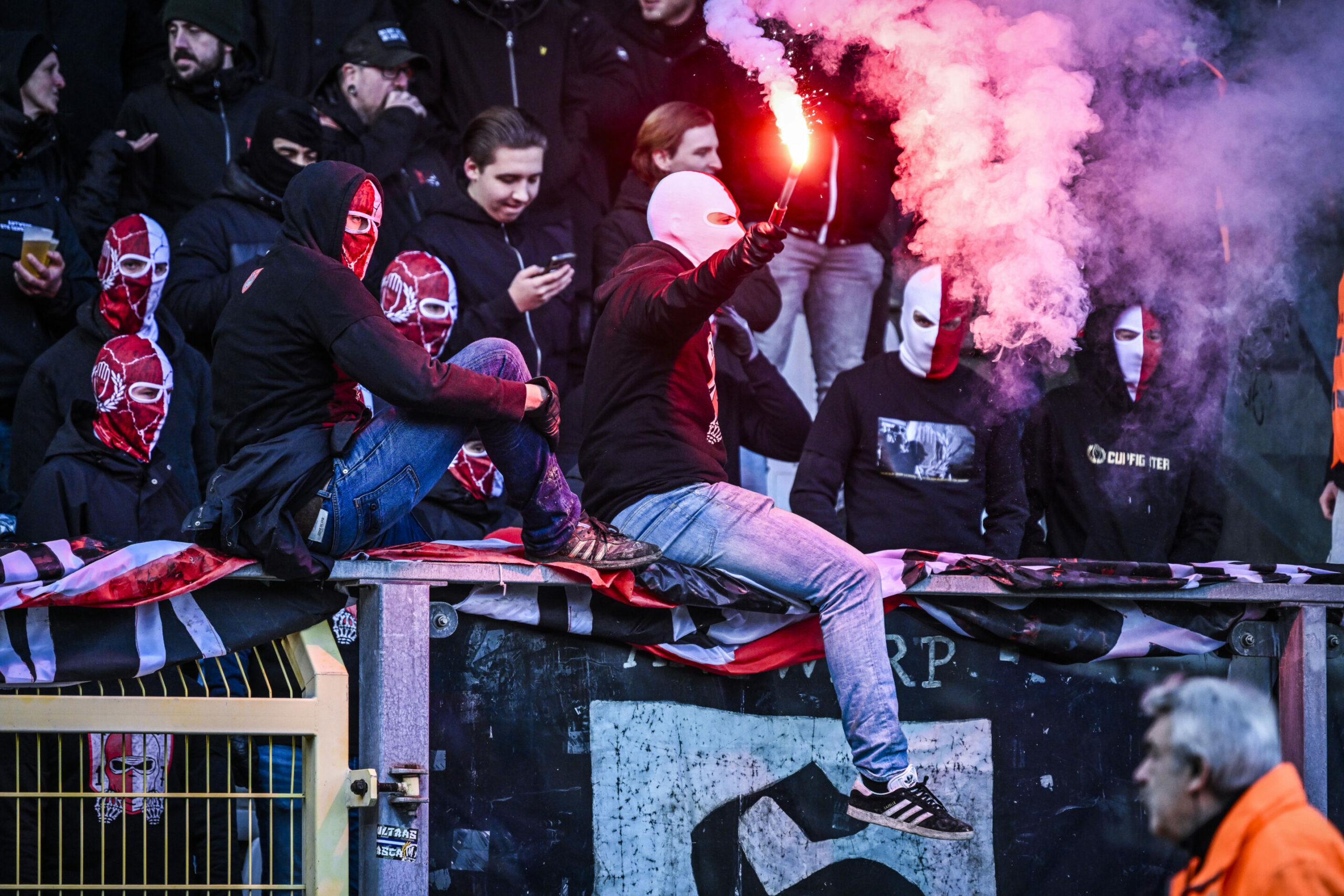
Antwerp ultras use fireworks during a football game between Beerschot VA and Royal Antwerp FC, Sunday 12 January 2025 in Antwerp. Credit: Belga / Tom Goyvaerts
The illegal use of pyrotechnic materials will also be tackled more strictly. For acts of violence (assault and causing bodily harm), the minimum fine will rise from €2,000 to €2,500.
Stadium bans can also be imposed more easily, and a national database for these bans will be established. Football clubs will be required to consult this database when selling tickets.
Surname for stillborn children
Parents will be able to give a surname to a stillborn child following a pregnancy lasting between 140 and 179 days. Currently, parents can officially only give their stillborn child a first name.
The draft bill also changes the Dutch-language title of the document used to register such a birth from "certificate of a lifeless child" to "certificate of a stillborn child".
Development framework for wind farm in the Princess Elisabeth Zone
The ministers have given the go-ahead for the new framework for the tendering process for the construction of a new wind farm in the North Sea. At the same time, it decided that the first phase of the energy island must come into operation by 1 October 2031 at the latest.
New wind turbines are to be installed in the Belgian part of the North Sea. These will be located in a new zone: the Princess Elisabeth Zone.
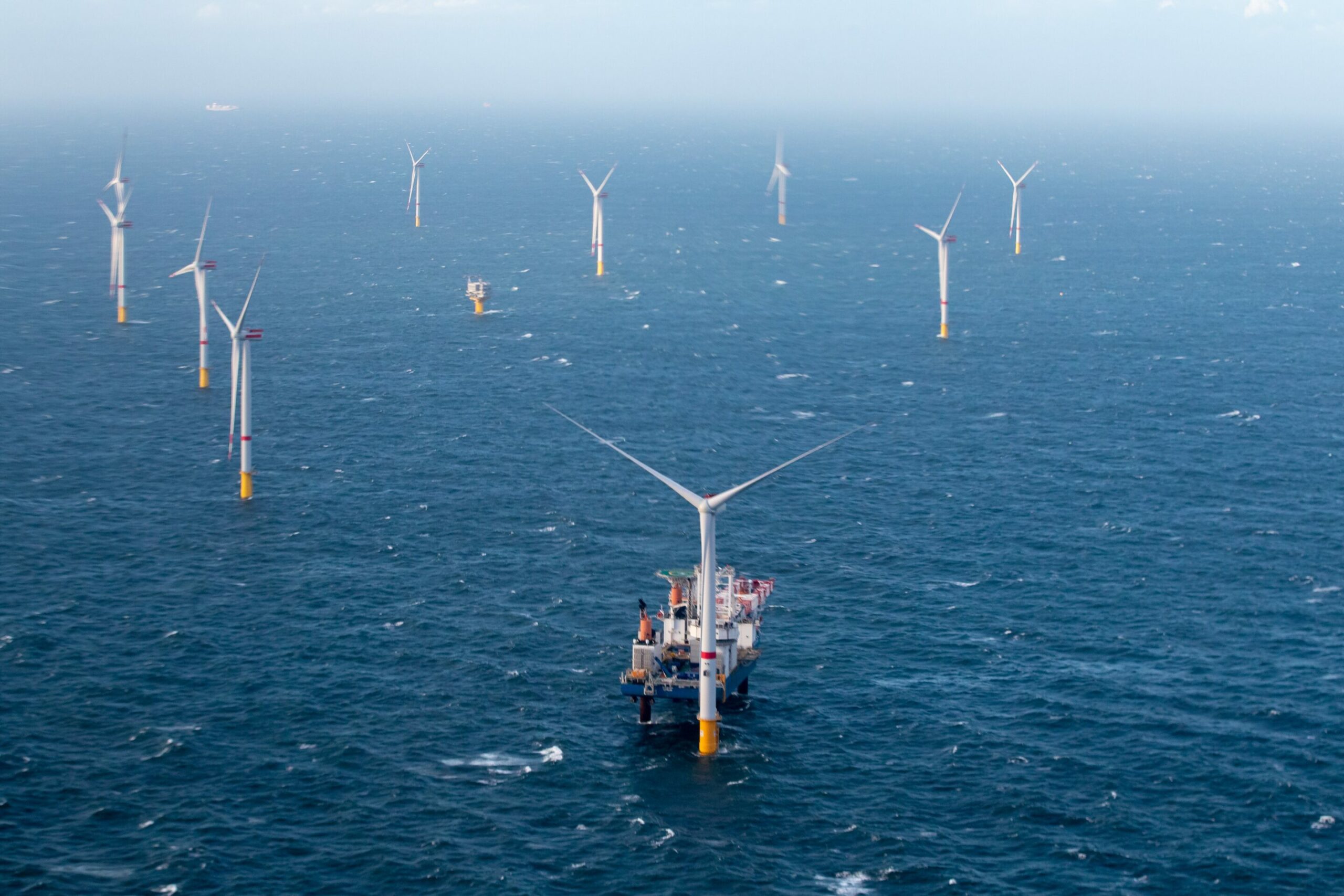
Illustration image of wind turbines in the North Sea. Credit: Belga/Kurt Desplenter
The current Federal Government had previously pulled the plug on an ongoing tender procedure for an initial plot, due to legal and financial uncertainties.
Now, they have agreed on the new tender framework, which will be submitted to the Council of State and the European Commission for advice, in accordance with the rules on state aid.
Solidarity contribution for employees on long-term sick leave
The Federal Government is extending the solidarity contribution that employers must pay for employees on long-term sick leave. While this is already mandatory during the second and third months of leave, another two months are now being added.
As a result, employers will not only pay the guaranteed wage during the first two months of sickness, but will also pay 30% of the sickness benefit during the third, fourth and fifth months of incapacity for work.
The additional solidarity contribution would be returned to employers via a reduction in their contributions, regardless of whether they have paid contributions or the amount they have paid.
