
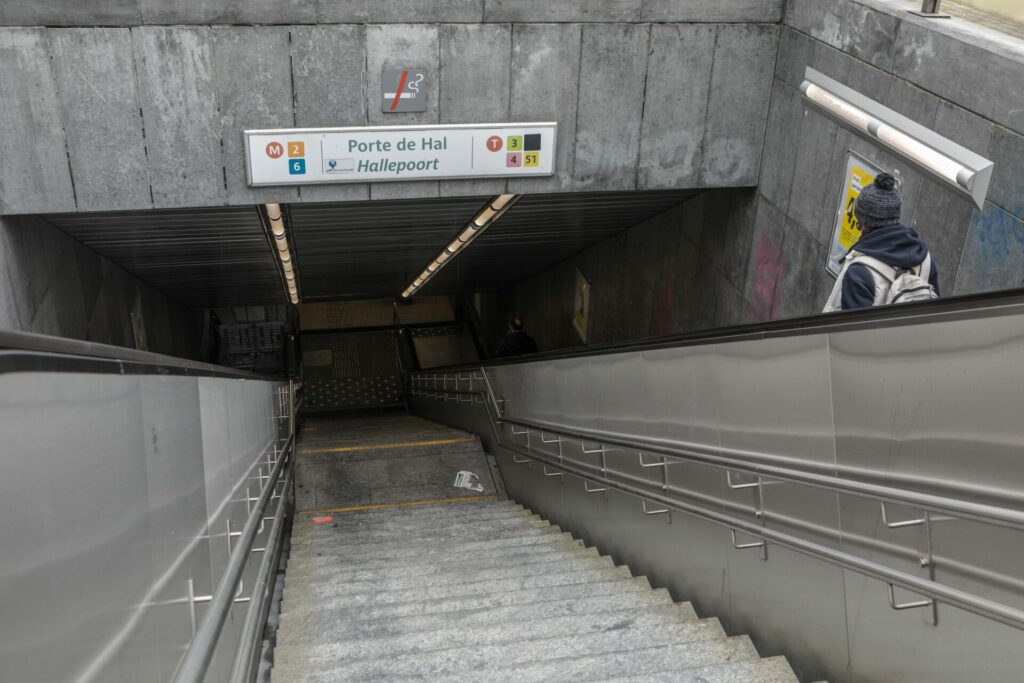
Crack treatment cases in Belgium have doubled in ten years. Abundant cocaine, dealers selling five-euro rocks and a rising number of people living on Brussels’ streets have created the conditions for the drug to take hold.
Crack has become the third most common addiction treated in Belgium, behind cannabis and alcohol, overtaking cocaine and heroin. Across the country, Sciensano recorded 2,017 treatment episodes for crack-related problems in 2025 – nearly double the 1,031 recorded a decade ago. In Brussels, the number rose from 273 to 697 over the same period, a sharper increase than in Flanders or Wallonia.
The climb is not new. A Sciensano analysis of treatment data from 2015 to 2019 found that crack reports rose significantly in all three regions, most sharply in Wallonia and Brussels.
Since 2015, demand for treatment for crack has risen faster than for powder cocaine. The EU drugs agency likewise says cocaine use, and crack use in particular, appears to be becoming more common, especially among marginalised communities.
Cocaine everywhere, at the same price
Belgium sits at the centre of Europe’s cocaine trade. Customs seized about 55 tonnes of cocaine at the port of Antwerp in 2025, up from 44 tonnes in 2024 but below the 120-tonne record set in 2023. The EU drugs agency says Belgian seizures fell by 64% in 2024, partly reflecting tougher port operations, but describes overall supply as resilient.
That keeps the price low.
“There has been no inflation on cocaine for many years,” Bruno Valkeneers, head of communication at Brussels emergency reception centre Transit, told The Brussels Times. “That gram you paid €50 for ten years ago still costs €50.”
EU monitoring broadly supports this, showing that retail cocaine prices were stable between 2010 and 2020 while purity rose. Wastewater analysis tells a similar story. Antwerp ranks second among European cities for cocaine residues, with Liège, Brussels and Namur also in the top ten.

A customs K9 unit using a Belgian Malinois search dog at the Port of Antwerp. Credit: Belga / Jonas Roosens
Abundant powder cocaine does not by itself produce crack. What changed, Valkeneers said, is how it reaches users. “Dealers started selling ready-prepared rocks to consumers,” he said. “Many people discover crack because they run into a dealer who sells them a small rock for €5 of €6.”
The effect of crack is fast and intense, but brief. A small rock may cost a few euros and give a high that lasts for around 20 minutes – something that can quickly become habitual.
“People think crack is cheap, but it is not,” Valkeneers said. “Some people tell us they spend €150 a day when they have money, because the effect disappears so quickly.”
The mode of use matters. Sniffed cocaine has to pass through mucous membranes into the bloodstream, making its effect far weaker. Smoking it is completely different. “Because the flash is intense, it leads to fairly rapid psychological dependence,” he says. “Users tend to consume in a very compulsive way to forget reality a bit.”
The street comes first
Crack’s spread in Brussels cannot be separated from who ends up on the street.
Bruss’help counted 9,777 homeless or inadequately housed people in the Brussels-Capital Region in November 2024, a rise of 25% in two years, with 992 living in public spaces. The organisation attributes the increase to rising poverty, unaffordable rents and single men no longer being housed in the federal government's Fedasil reception centres.
Valkeneers stressed the order of events. “Consumption is not the first reason for losing housing or living on the street. The loss of housing often comes first, and that is linked to job loss, to people becoming more precarious."
Unlike heroin or alcohol, crack does not usually produce the same physical withdrawal syndrome, and there are no approved pharmacotherapies. But its psychological grip can be even harder to manage.
“Cocaine gives such pleasure, it activates the brain’s reward network so strongly, that you want to find that pleasure again quickly,” Valkeneers said. The result is craving. While methadone is used to treat heroin dependence as it stabilises patients by preventing withdrawal, there is no similar treatment for cocaine.
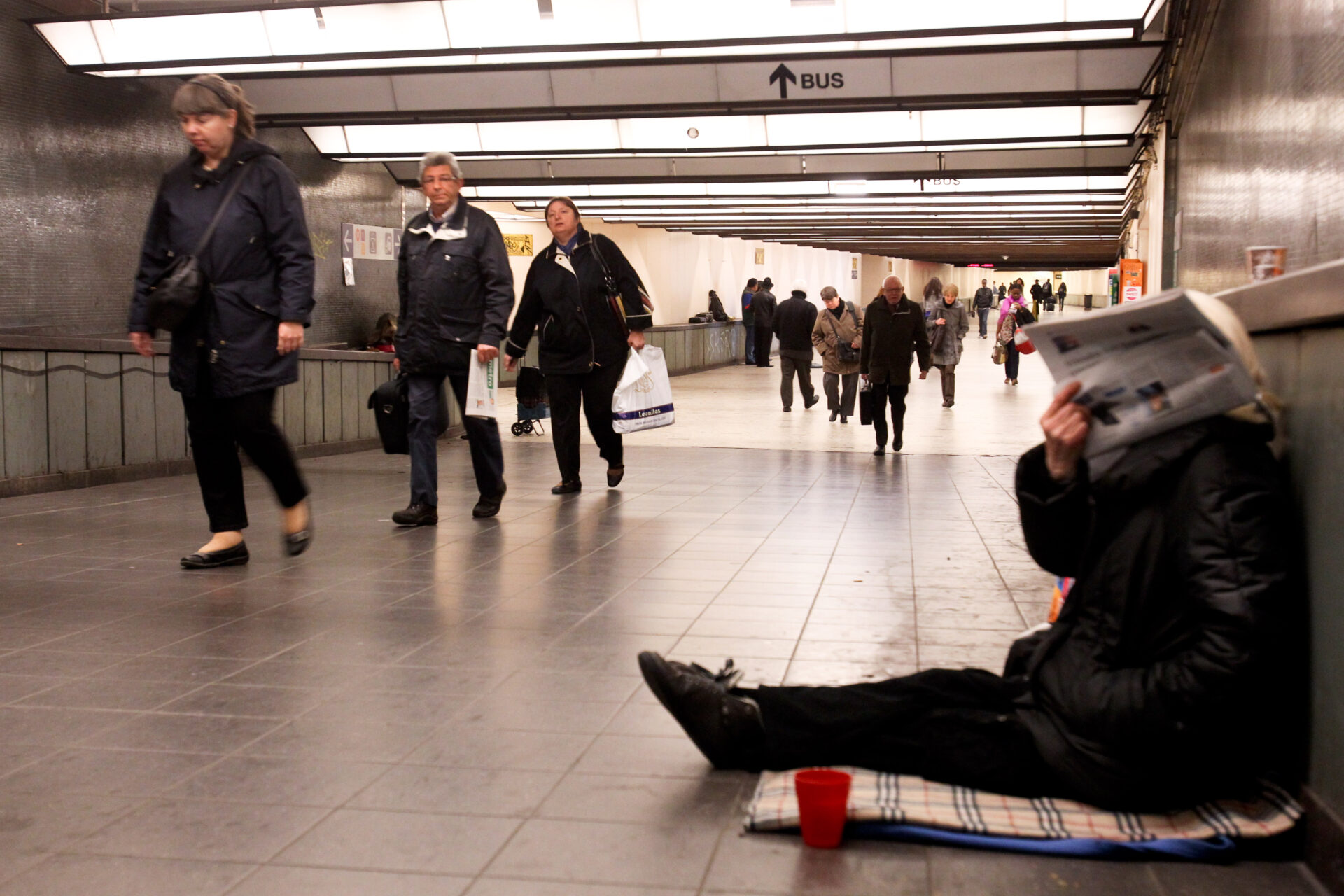
A homeless person in the Central station Metro stop. Credit: Belga / Virginie Lefour
Without shelter and other support, helping people stop using crack is extremely difficult, if not impossible, according to Valkeneers. “If someone goes through detox but then returns to the street, there is a strong chance the fight will be lost.”
Brussels’ addiction services are running out of places to send people who ask for help: transit said demand for its services for all addictions is rising by about 15% a year.
People can stay for a maximum of 13 nights. That used to be enough time to find a rehabilitation placement, the centre said. Now, it can take around four months.
Brussels has 63 residential addiction-care places supported by Iriscare, including just 44 for longer-term rehabilitation of up to two years. In 2025, the average wait for a short-stay placement was ten months, and crisis admission at Enaden took about two months.
“Every day, we have to send people back onto the street,” Valkeneers said. “We are the entrance door to the care pathway, but the chain is jammed.”
A system built for crises
Pablo Nicaise, deputy coordinator of Belgium's General Drug Policy Unit, told The Brussels Times that the problem is not simply a shortage of beds, it is fragmentation.
“The health care system in Belgium, and particularly in Brussels, is highly fragmented across provision, governance and financing,” he said. “People with long-term and complex needs require continuity of care that the current system cannot provide.”
People dependent on crack often face several problems at once, including mental illness, homelessness, no legal income, weak social support and contact with the justice system. These problems reinforce one another, but are often handled by separate institutions.
“Having an integrated centre is only one possible way to address these multiple needs,” Nicaise said. “There are services and professionals able to address them. The gap is their lack of coordination.”
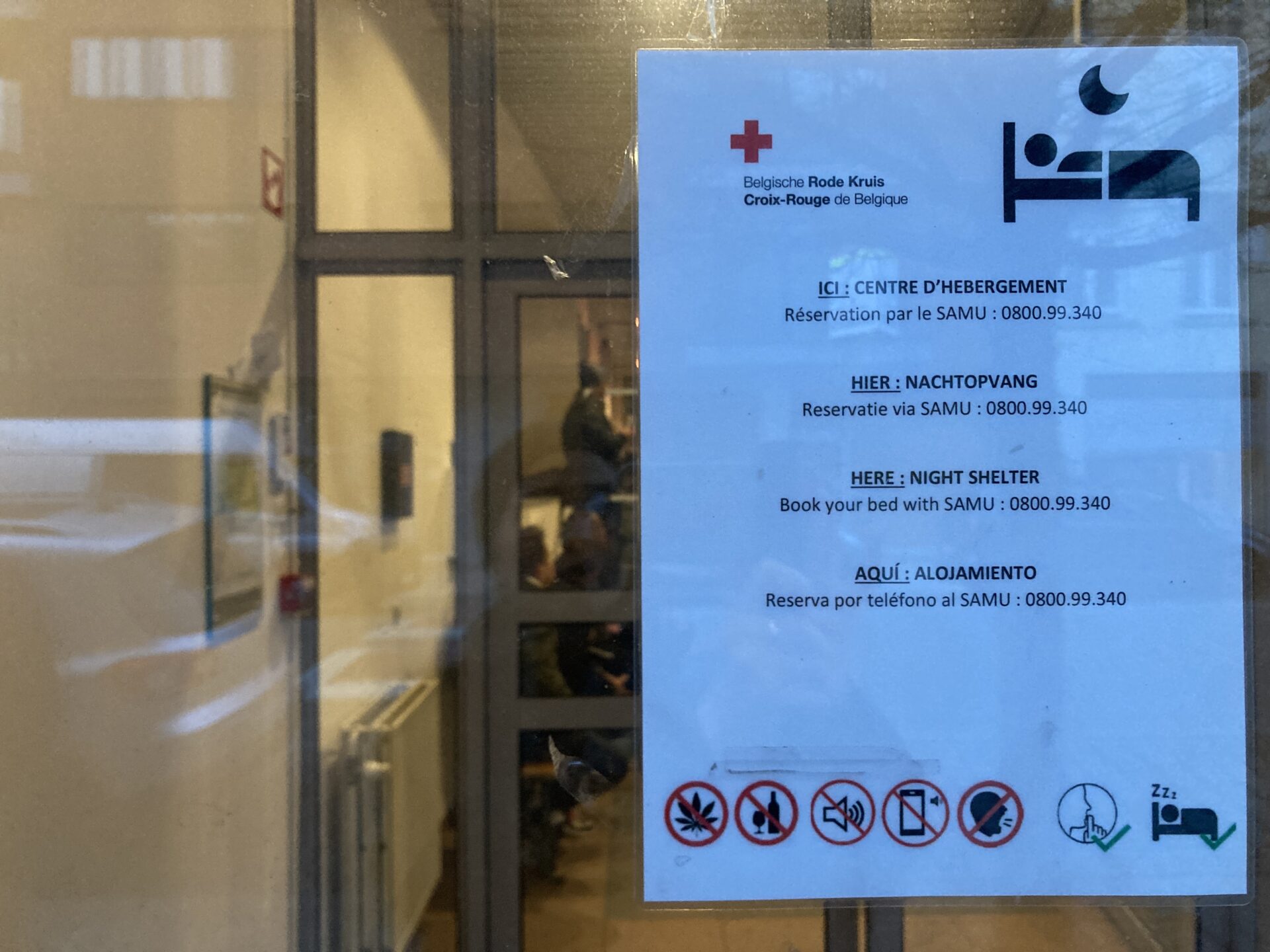
A Red Cross emergency accommodation centre for homeless people in Anderlecht. Credit: Belga / Lou Lampaert
For Transit, the immediate priority is not a new national drug strategy or a debate on legalisation, but simply more capacity: more shelter, more rehabilitation and post-rehabilitation places, and a system that does not lose people between crisis intervention and long-term recovery.
The frontline problem remains acute. More people are asking for help with crack dependency. Transit can offer temporary shelter, basic medical care and help rebuilding administrative rights. What it often cannot offer is the next step.
The drug is rarely where the story starts, but often where it ends. “Nobody consumes drugs to end up on the street,” Valkeneers said.
For many of the people Transit sees, the street comes first, and crack arrives later, offering a high that lasts just minutes in a life with little else. Treating the drug without changing the conditions around it, Valkeneers argued, means the same people keep returning to the same door.
