When I was little, and very taken with Hans Christian Andersen’s The Princess and the Pea, I once slipped a pea under my younger sister’s mattress. In the morning, I quizzed her on how she had slept (very well indeed), then spent the rest of the day solemnly pronouncing that her lack of backache decidedly meant she was no princess.
My sister and I recalled this episode, the other day while we were shelling a bunch of fresh pea pods at the kitchen counter, snort-chuckling at my bossy-bootedness and eating half of them along the way (isn’t there something satisfying about that soft pop of the pods?!).
What I find most intriguing is that in the 1830s, when Andersen’s fairy tale was first published, the pea was not at all considered a symbol of extreme sensitivity and refinement.
Humble beginnings
Actually, for thousands of years, the pea was a basic food with no hint of luxury. When our Neolithic grandmothers and grandfathers put down their bows and arrows and turned from hunter-gatherers to farmers, peas were one of the first things they planted. As our early farmer grandparents inched gradually into Europe, they kept their peas tucked into their Neolithic hide-backpacks.
Wherever they set up fields, peas were grown to be dried and stored for winter, then cooked into thick soups or ground into flour. There were no fridges at this point, and peas stored well. There were also no protein shakes, but peas did a perfectly respectable job of providing protein during meat-scarce periods.
By the time of the ancient Greeks and Romans, peas were widely cultivated across central and western Europe. And by the early medieval period, peas had become a staple crop even in northern Europe. They were very much your typical peasant food. Until Louis XIV, Le Roi Soleil himself, was given a pea to taste, and a flicker of pleasure crossed his eyes. The same eyes, incidentally, that lit up when he tasted asparagus, and then again with strawberries. The pattern was becoming familiar. “Encore!” he barked, with his ever-sunny disposition. And so it was that at his 17th-century French court, freshly picked peas became a culinary craze.
Caviar of the poor
Contemporary accounts describe aristocrats gorging quasi-drunkenly on peas during their short season in summer. Their sweetness and tenderness were considered luxurious precisely because they had to be eaten quickly after harvesting. It is tempting to think that this is what inspired Hans Christian Andersen a century later to write about princesses and peas. And it is possible that a few decades later, that story led the Austrian monk and scientist Gregor Mendel to use pea plants in experiments on inheritance. His cross-breeding work led to the discovery of important genetic laws, later earning him the title ‘father of modern genetics’.
Luckily for us, by the 1900s, peas had climbed down from their thrones and, thankfully, been reclaimed by mere mortals. Brussels and Flanders were part of the broader European cultivation and breeding of peas, helping to spread what one might call pea joy. In Ghent especially, peas were quite a sensation in the interwar period. Deep-fried, heavily salted dried peas were sold by street vendors and earned the nickname "the caviar of the poor".
Café owners became rather fond of these kroakemandels, as they were called – not least because their saltiness and crunch made customers thirsty, which, in turn, increased beer sales. I should warn you before you book a train ticket to Ghent: they’re a rarity and have become more of a nostalgic ‘heritage snack’, the sort you’ll find at the annual Patershol festival. But if you are craving them now, I will let you in on a secret: you can find them year-round at Ghent’s Café Folklore. Incidentally, you might also be served a cooked egg alongside your beer, another rather charming old tradition and, quelle chance! it’s one of those places where you can still request free tap water.
We may, perhaps, need to stage a small protest to bring them to Brussels. Before marching anywhere, though, it is worth pausing on what peas actually are. Starting with the fact that they are not vegetables but part of the legume family, alongside lentils and beans.
Unlike most beans, they are usually harvested while still green and tender, which is why they can be enjoyed in so many forms: fresh straight from the pod in early summer, frozen to preserve their sweetness, or dried and stored as a long-lasting pantry staple. They also happen to be quite good for the soil. As a nitrogen-fixing crop, peas enrich the earth naturally and reduce the need for synthetic fertilisers, which makes them, frankly amazing.
To top it all, nutritionally, they are an inexpensive but highly nutrient-dense food, providing us with:
- a mix of soluble and insoluble fibre
- B vitamins and vitamin C
- minerals such as calcium, potassium, and iron
- plant protein
- natural plant compounds that may act as antioxidants
From a health perspective, regular consumption of a portion of green peas – about three heaped tablespoons – lowers risks of heart disease and colorectal cancer. Other studies suggest that pea components may help improve blood sugar regulation and that pea fibre can support gut health, particularly in managing constipation in older adults – whether fresh in June or frozen the rest of the year. If you need further inspiration on how to find your inner peas, here are some food ideas:
Minted mushy peas - classic British side dish of boiled peas mashed with butter, salt and fresh mint
Risi e Bisi - a traditional Venetian rice dish with fresh peas, somewhere between risotto and soup
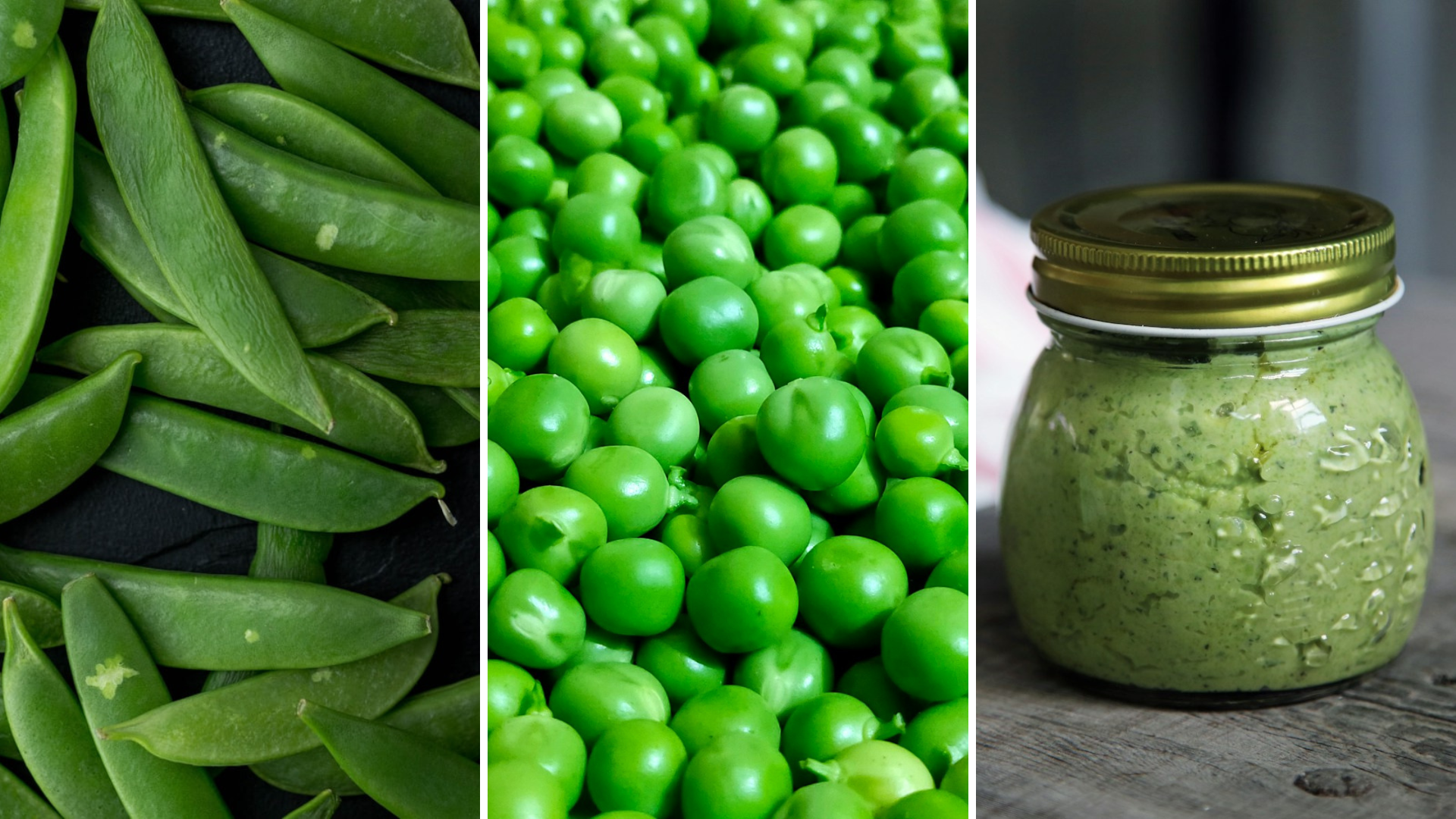
Pea pesto - a bright green blend of peas, basil, parmigiano, pine nuts and olive oil, used as a pasta sauce or spread
Pea risotto - creamy rice folded with sweet peas for a soft, spring-like comfort dish
Roasted peas - peas baked with a drizzle of olive oil and a pinch of salt until lightly crisp – the perfect snack to accompany Netflix bingeing
Peas with cottage cheese - a simple combination of fresh peas and mild, creamy cottage cheese for a light, protein-rich snack
At this point, you must wonder why I go all heart-eyed when I talk about plants? I find vegetables and legumes have such interesting stories. As a health coach, I often meet people who say they simply do not like vegetables, and it breaks my heart a little bit.
It is usually less about the vegetables themselves and more about how they have met them along the way. Which is why I’m obsessed with making everyone fall in love with plants, one at a time, each month. Peas in particular. They may not be the best princess detectors around, but they certainly deserve a place on the healthy foods’ throne.
PS: As Lemony Snicket said: “If you don't like peas, it is probably because you have not had them fresh. It is the difference between reading a great book and reading the summary on the back.”
