
Concerns regarding sperm donations have reignited in Belgium following news that 53 children in the country were conceived using sperm with a genetic abnormality from the same donor. What is happening?
Earlier this week, it was reported that sperm from a Danish donor with a likely disease-causing variant in the COL3A1 gene (responsible for the production of a type of protein that provides structure and strengthens blood vessels, skin and other organs) was used to conceive 53 children in Belgium from 39 different families.
The news followed an online update by the Belgian Federal Agency for Medicines and Health Products (FAMHP).
The donated sperm was distributed via the Danish sperm bank Cryos International to 24 different countries, including 12 fertility centres in Belgium, according to the FAMHP. The sperm was "blocked" from being used in late July 2026.
Two of the Belgian fertility centres in question were found to have exceeded the 'six-women rule' within the centre, according to the FAMHP. This is a federal 2007 legal provision for public health that stipulates that the same sperm or egg donor can only be used to conceive children for a maximum of six women.
In a statement to The Brussels Times, Cryos CEO Ole Schou said the donor donated sperm in the '90s before the introduction of the Belgian legal limit. He argued that the "historic case" does not reflect the company's current practices regarding quotas.
Not the first Danish donor scandal
The case was reminiscent of the sperm donor scandal which made headlines late last year, following the publication of an investigation by the EBU Investigative Journalism Network, which included the Belgian broadcasters RTBF and VRT.
The investigation revealed that at least 197 children in Europe were conceived using the sperm from a Danish donor who was later found to have a mutated version of the TP53 gene, which is linked to an increased risk of certain types of cancer.
In Belgium, a total of 53 children from 38 different families were conceived using sperm from this donor, as confirmed by the FAMHP.
The sperm was distributed via the Denmark-based European sperm bank (ESB) to 14 clinics in Belgium. One Belgian fertility centre was found to have violated the legal limit within the clinic, inseminating nine women, which resulted in the birth of 11 children.
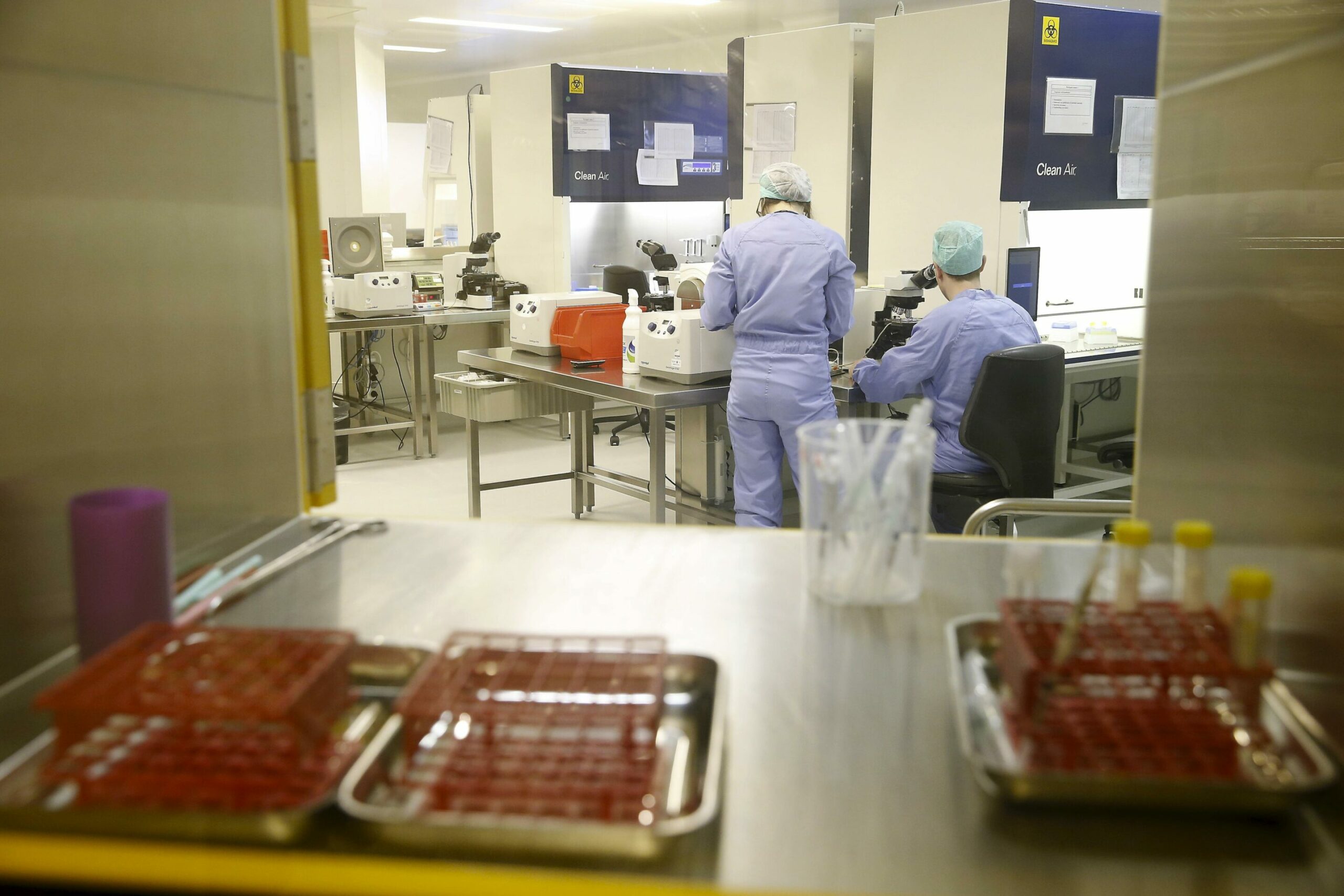
Illustrative image of a fertility centre. Credit: Belga
The sperm was used in the country between 2007 and 2017, years before the first suspicion of the genetic mutation was reported in 2020.
While the sperm was tested after the initial report, the genetic problem was only confirmed following new tests in October 2023, after which the donated sperm was "blocked" from being used.
According to the ESB, the specific TP53 mutation was not found earlier as it is relatively rare and is only found in a small part of the donor's sperm cells.
Growing cases of broken quotas
The FAMHP has so far identified 121 different cases of the 'six-women rule' being broken in Belgium, with the earliest identified one dating back to 2011.
Out of the 121 incidents of broken quotas in Belgium, 31 were reported this year.
In a statement on Tuesday, the FAMHP noted that the rise in reports of such cases since last year is due to "various factors", rather than simply an increase in cases. It cited more intensive systematic inspections, the introduction of a new application for reports, and more spontaneous reports of exceeded limits from fertility centres as possible reasons.
The FAMHP further emphasised that the violations of the legal limits for the use of sperm donors that have so far been identified “do not provide a complete picture of the actual situation”.
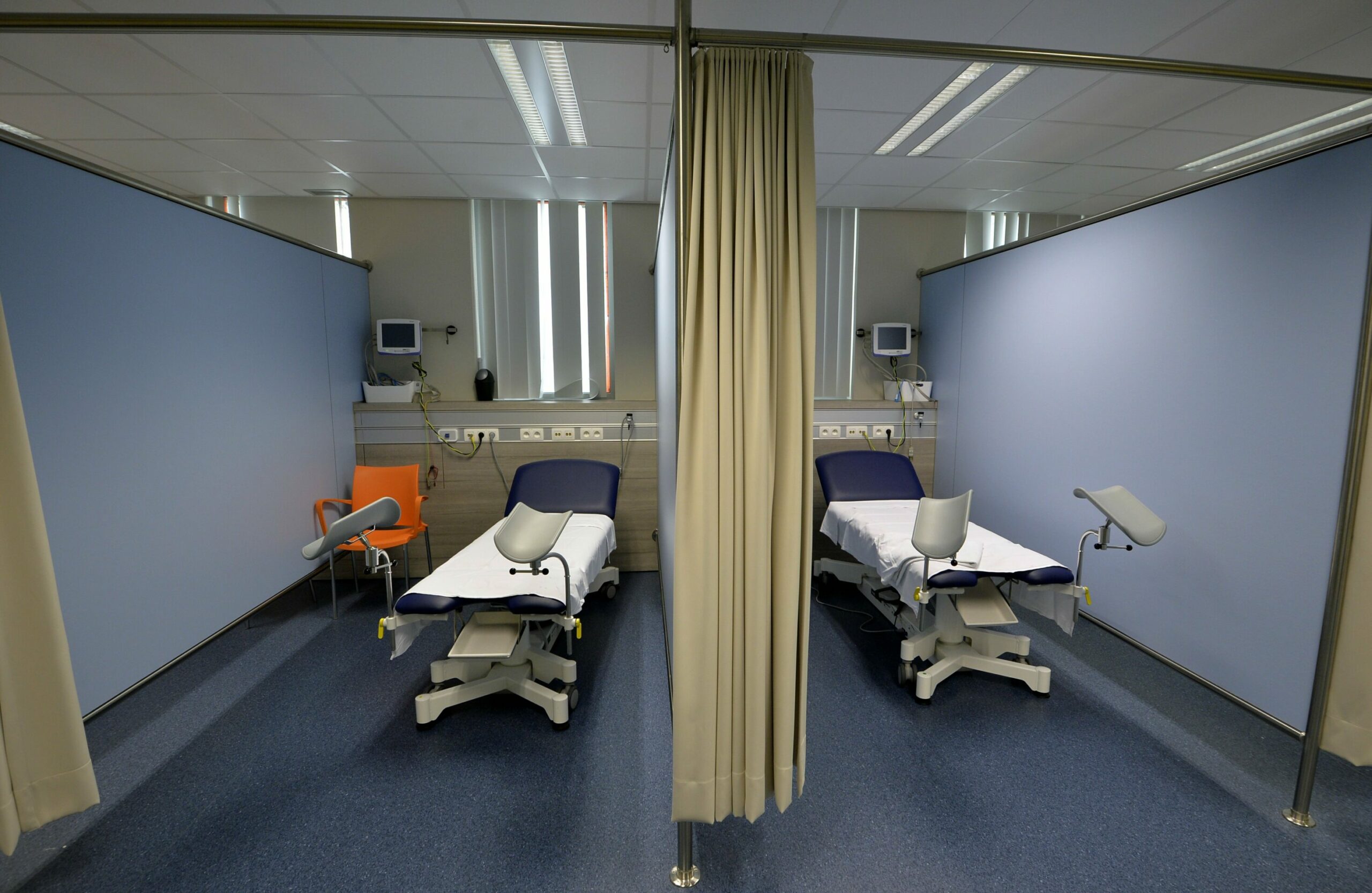
Illustrative image of a fertility centre. Credit: Belga
When the FAMHP identifies that the legal limit for the use of donors has been exceeded, it may respond with corrective or preventive measures, or a warning.
In cases of violations of legal limits within the same clinic, the FAMHP has notified the relevant Public Prosecutor's Offices.
Criminal prosecution may be initiated if the infringement was committed intentionally, if the same violation had already been identified, or if it endangers public health.
Notably, the violations of legal limits are not unique to Belgium and have also been reported across other European countries. The FAMHP said on Tuesday that, in light of this, it is advocating for a European central donor register and the harmonisation of the quotas across Member States, among other things,
International sperm and genetic screenings
Around 85% of sperm used in Belgian clinics comes from a foreign sperm bank, according to the FAMHP, based on information provided by fertility centres in the country.
Last year, VRT NWS reported that, on average, the vast majority of the sperm used in the country originated from a Danish sperm bank, citing a doctoral research by Dorian Accoe, a bioethicist at the University of Ghent.
Accoe partly attributed the trend to the fact that there is a shortage of sperm donors in Belgium, that Belgian fertility clinics do not actively recruit donors and that donors are not paid.
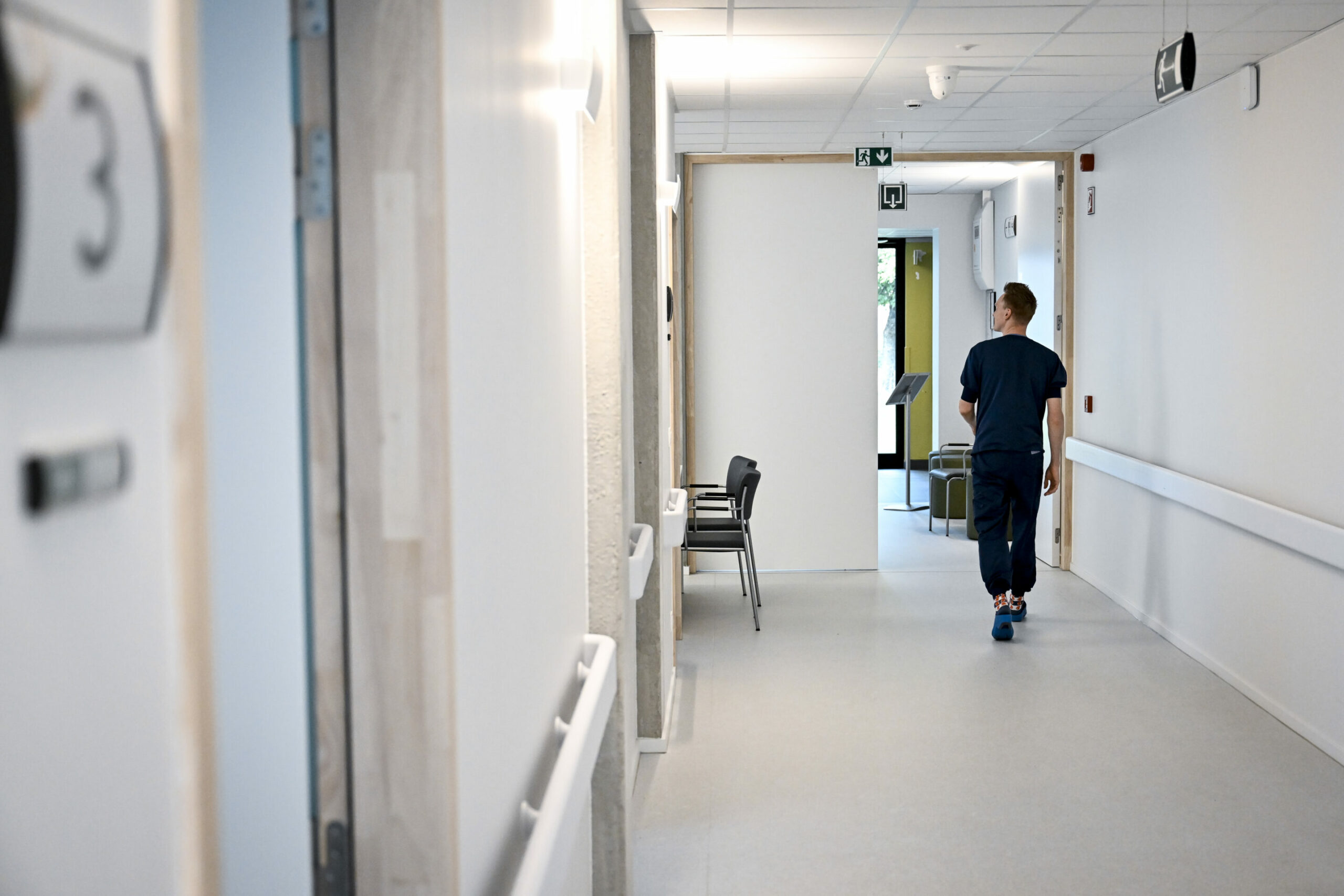
Illustrative image of doctor pictured in the corridor of a hospital in Belgium. Credit: Belga/Dirk Waem
Each competent European authority is responsible for the establishment operating in their own country, with each establishment taking responsibility for the donors who donate to their institution, according to the FAMHP.
Systematic full genetic screenings of donors are not performed for ethical, scientific and financial reasons, according to the federal agency. However, certain checks are carried out, with the donor's consent. This includes a screening for frequent recessive genes and an evaluation of hereditary risks based on family history.
According to the FAMHP, the risk of a genetic defect being transmitted through medically assisted reproduction with donated sperm is comparable to that of natural conception.
Systemic failures and reforms
The 2025 donor case highlighted several "shortcomings” within the fertility system in Belgium, according to Dirk Ramaekers, chair of the Federal Public Health Service and crisis manager, in an interview with The Brussels Times in April.
Ramaekers highlighted that the legislation of the "six-women rule" is not itself the issue, adding that the problem lies within the whole system that was in place to uphold it.
"In hindsight, it is easy to point the finger at one specific thing or one specific person," he said at the time. "But finding a scapegoat does not solve the problem. Instead, the system needs to be changed so that it cannot happen again."
Related News
- What to know about Salmonella following the record outbreak in Belgium?
- Is a shop-free Sunday good for our health?
- 'I finally found my Belgian mother. She told me it never happened'
- Belgian fertility clinic violates family limit for single egg donor
Following last year's scandal, which Ramaekers described as "a significant systemic failure", a plan was announced for a comprehensive reform of the fertility system, to better protect families and children, while reinstating trust.
Among the changes are reforms to the systems for inspections, clearer sanctions policies, and changes to donor anonymity rules.
Before the 2025 scandal, Belgium had already began strengthening its fertility system through the creation of a central registry to track egg and sperm donations in Belgium. The 'Fertidata' register, launched in 2024, allows fertility centres to verify whether the legal limit has been exceeded before using a donation.
The Brussels Times contacted the FAMHP for insights into the violations of the legal limits for the use of sperm donors but has yet to receive a response as of the time of publication.
This article was updated to include a comment from Cryos' CEO.
